Get your free personalized podcast brief
We scan new podcasts and send you the top 5 insights daily.
Vinod Khosla publicly rebuked the founder of Factory, a Khosla Ventures portfolio company. This is highly unusual as VCs have a financial incentive to protect their investments. The public nature of the criticism indicates the founder's actions were perceived as exceptionally damaging or unethical, overriding typical investor-founder alignment.

Related Insights
In today's founder-centric climate, many VCs avoid confrontation to protect their reputation (NPS) within the founder network. This fear of being blacklisted leads them to abdicate their fiduciary duty to shareholders, failing to intervene even when a company's performance is dire and hard decisions are needed.
In a hyper-competitive market, a VC's role isn't just to be supportive. Being an enabler who offers feel-good praise while ignoring competitive threats can lead to a 'death spiral.' The best board members are 'founder honest,' providing fact-based, clear-eyed analysis of the competitive landscape to force necessary action.

The recent wave of founders sharing negative stories about VCs is a cyclical trend tied to market conditions. In bull markets, founders have leverage and feel empowered to speak out. In bear markets, the focus shifts to survival, and public criticism subsides.

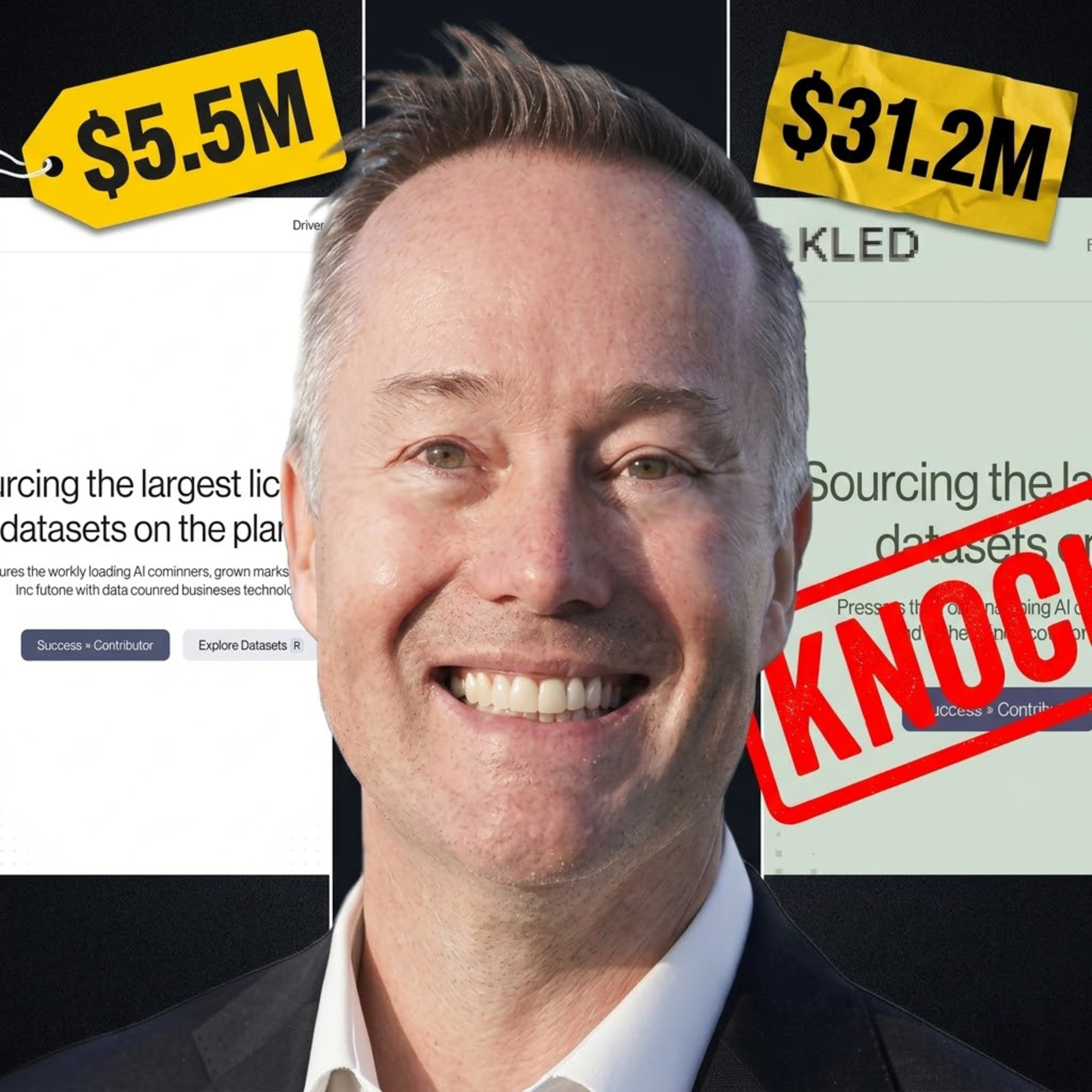
When Kled's founder publicly called out a competitor and their VC, his investors' initial reaction was fear, telling him to take the post down. However, after seeing the public support, they quickly reversed course and backed his aggressive stance.
The pervasive trend of VCs being "founder-friendly" often manifests as "hypocritical politeness" that withholds crucial, direct feedback. This ultimately hurts the company. Strong founders don't select for niceness; they seek partners who provide brutally honest input to help them improve.

The venture capital industry's tendency to fire founders is so ingrained that simply being founder-friendly became a competitive advantage for Founders Fund. Despite data showing founder-led companies outperform, the emotional 'thrill' of ousting a founder often leads VCs to make value-destructive decisions, creating a market inefficiency.

Sequoia's reputation for being brutally direct with founders is evolving into a high-status brand attribute. Ambitious founders are starting to prefer this 'stab you in the front' approach over unconditional support, viewing it as a necessary form of pressure to drive exceptional performance in a gladiatorial arena.

When Marc Andreessen appeared on Fortune's cover, competing VCs were furious, arguing the entrepreneur should be the hero. This reaction exposed the industry's unspoken rule that VCs operate in the background. A16z's public-facing strategy deliberately broke this cartel-like code of silence.

An investor might feign disinterest or negativity towards a startup in their portfolio to mislead competitors or manage perceptions before a new funding round. In one case, an investor called a portfolio company a bad deal due to a pivot, only to lead its next large round just two weeks later.

Do not assume senior investors from larger funds will enforce founder accountability. Early-stage investors, who possess deep historical context and trust, have a unique responsibility to continue having direct, uncomfortable performance conversations, regardless of who else is on the cap table.
