Mercury's CEO sees the rise of AI agents performing financial transactions as an inevitable future. Rather than viewing it as a threat, Mercury is building tools like a CLI and APIs to become the go-to banking infrastructure for this emerging agent economy.
Traditionally, startups focused on a single product for years. Now, with faster development, it's feasible to launch multiple integrated products earlier. This strategy, used by Mercury, increases customer stickiness and LTV, echoing Yahoo's old "2.4 services" rule for retention.
Mercury raised $100M less in its latest round despite a higher valuation. The CEO explained this was possible because the company has been profitable for four years. The fundraising was for marketing and M&A, not operational necessity, subverting typical fundraising signals.
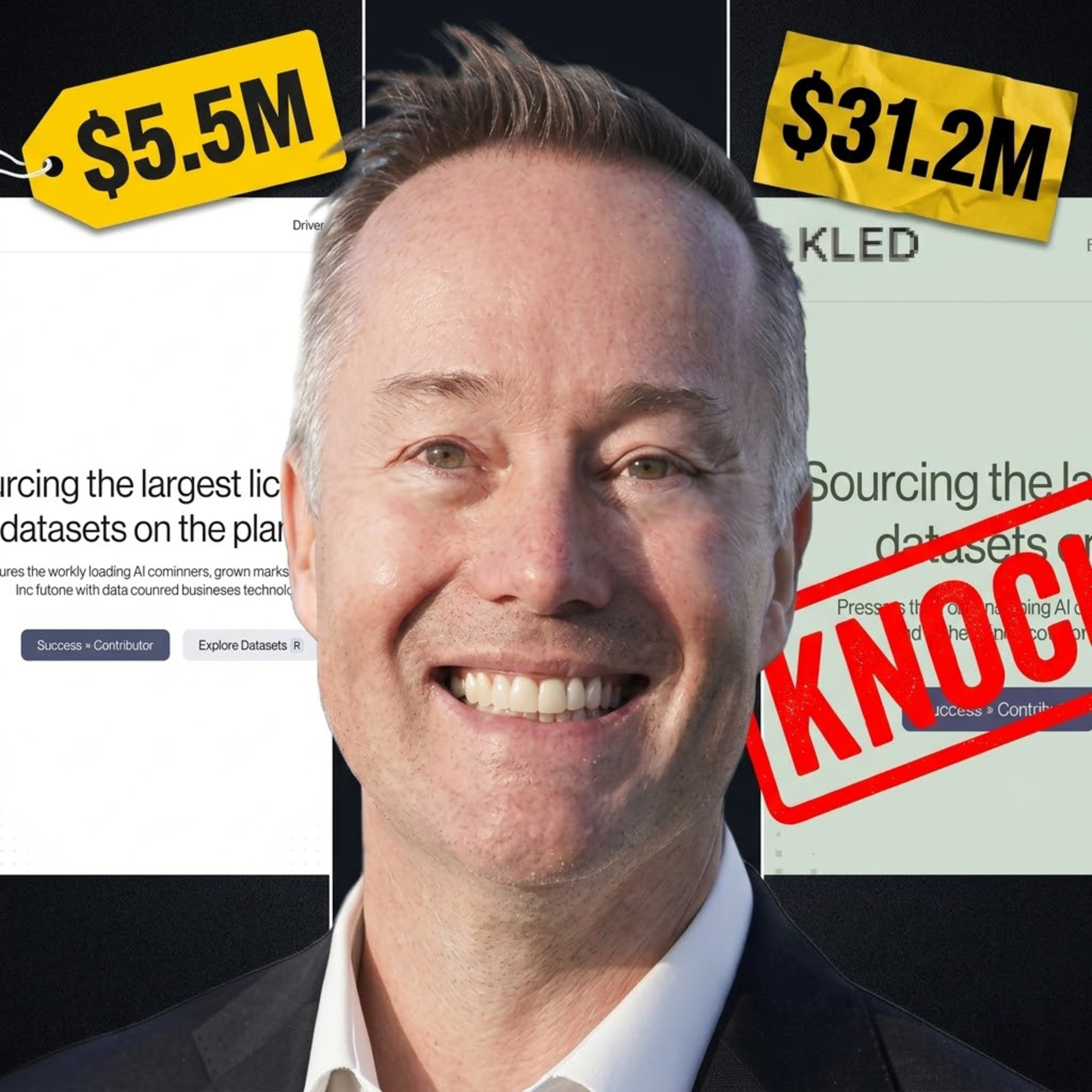
When a startup blatantly copies a competitor's website, investors should see it as a major warning sign. This "appearance of impropriety" warrants a deeper investigation into other aspects of the business, such as metrics, contracts, and customer claims, which may also be deceptive.
While partnering with banks is essential for launching a fintech, at a certain scale, obtaining a direct banking charter is crucial. It provides direct regulatory relationships, greater control over product development, and a better customer experience, as Mercury Bank is pursuing.
Entrepreneurs can save significant time and money by creating a detailed "travel playbook" for a virtual assistant. The playbook should outline preferred airlines, hotel types, and research sources. This delegation turns a complex, high-effort task into a streamlined, automated process.
Mercury's CEO admitted to not updating a seven-month-old revenue figure, even after a large fundraise. This is a deliberate communications strategy to save the new milestone for a future press cycle, maximizing media coverage over time.
YC's culture of celebrating "rule breakers" and its application question about hacking systems can, under pressure to find PMF, lead founders to cross ethical lines. This may manifest as blatantly copying a competitor's entire product and marketing strategy.
When faced with a blatant copycat and lacking legal resources, a founder's best defense can be a public campaign. This creates social pressure, rallies support, and puts the competitor and their investors on the defensive, as Kled founder Avi Patel demonstrated.
When Kled's founder publicly called out a competitor and their VC, his investors' initial reaction was fear, telling him to take the post down. However, after seeing the public support, they quickly reversed course and backed his aggressive stance.
OpenAI's offer of credits to YC startups for equity is a strategic move. It gives them direct sight into promising AI companies, allowing them to track usage, identify breakout successes, and potentially acquire or compete with them, effectively using the ecosystem for R&D.
Mercury Bank's founder, Ahmad Akund, attributes their "instant product-market fit" to building a product he personally needed as an entrepreneur for years. This deep, firsthand understanding of the user's pain allowed him to build a solution with the right features from day one.