Get your free personalized podcast brief
We scan new podcasts and send you the top 5 insights daily.
When investor Vinod Khosla, an LP in both Factory and Cognition, publicly attacked Factory's founder, it carried more weight than typical online drama. An investor attacking their own portfolio company suggests the founder's behavior was so egregious that the investor felt compelled to publicly distance themselves, overriding their financial interests.

Related Insights
An unwritten "founder code" exists in Silicon Valley. A key violation is abandoning a well-performing, venture-backed company to start a new one in a hotter space (e.g., AI). This prematurely sells out investors and violates the trust placed in the founder.

In today's founder-centric climate, many VCs avoid confrontation to protect their reputation (NPS) within the founder network. This fear of being blacklisted leads them to abdicate their fiduciary duty to shareholders, failing to intervene even when a company's performance is dire and hard decisions are needed.
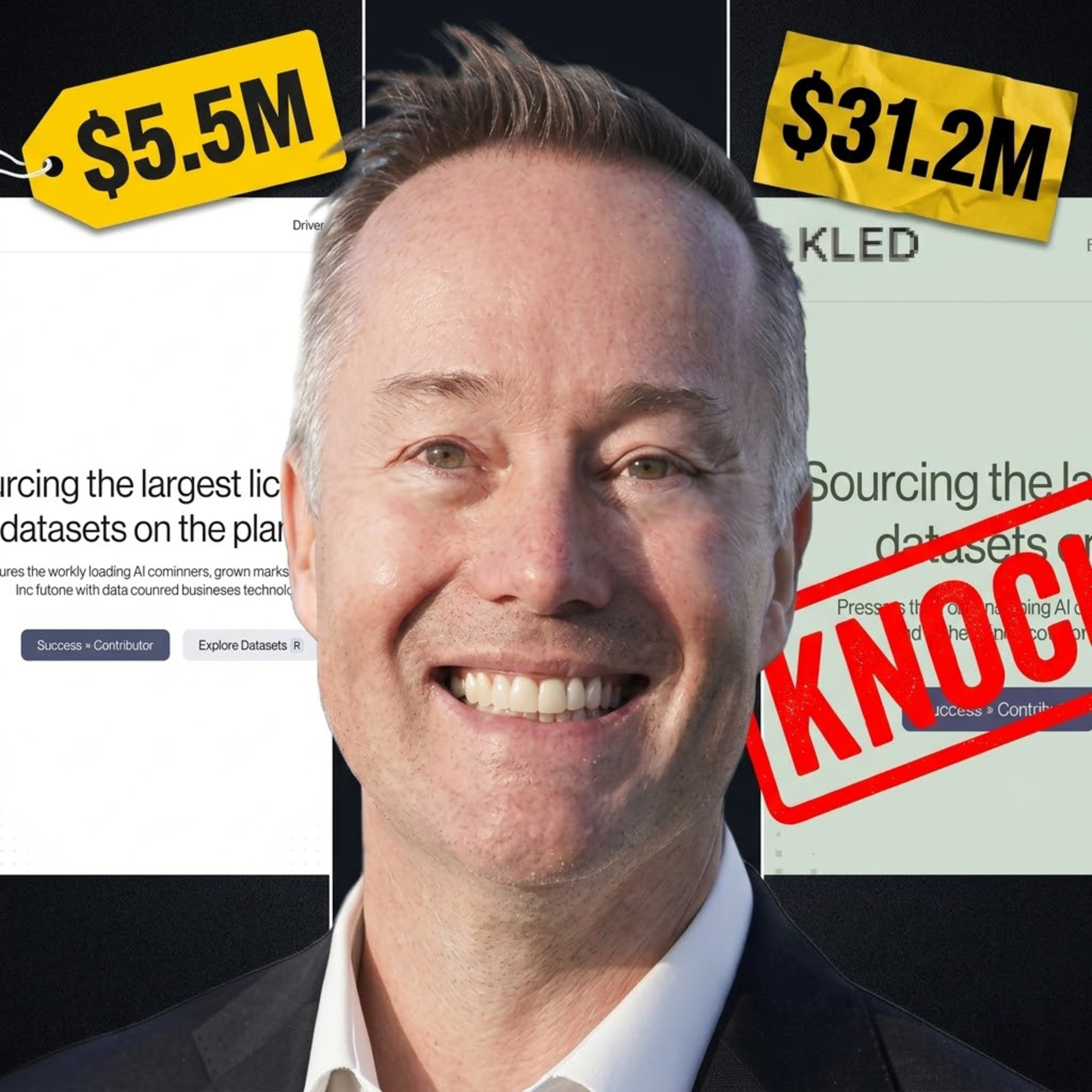
When Kled's founder publicly called out a competitor and their VC, his investors' initial reaction was fear, telling him to take the post down. However, after seeing the public support, they quickly reversed course and backed his aggressive stance.
For founders on Klarna's board, the biggest warning sign from legendary investor Michael Moritz isn't getting yelled at; it's seeing him become disengaged. This quiet signal of disappointment is a more potent and frightening indicator of trouble than an outright confrontation.
Incidents of alleged founder misconduct, like lying about metrics and mistreating staff, are not isolated events. They are symptoms of a market bubble where excess capital fuels arrogance and unprofessional behavior, serving as a key warning sign for the wider industry.

While executive poaching and conflicts of interest aren't new (e.g., Steve Jobs vs. Eric Schmidt at Apple), the arena for these disputes has shifted from private boardrooms to public social media. The Factory vs. Cognition drama illustrates a new norm where stakeholders deploy online 'truth nukes' rather than resolving issues behind closed doors.
To assess a founder's learning rate and critical thinking, Khosla intentionally advocates for ideas he disagrees with. This tactic reveals if a founder will blindly accept advice or critically examine it, demonstrating their ability to filter input—a key trait he looks for.

An investor might feign disinterest or negativity towards a startup in their portfolio to mislead competitors or manage perceptions before a new funding round. In one case, an investor called a portfolio company a bad deal due to a pivot, only to lead its next large round just two weeks later.

Vinod Khosla publicly rebuked the founder of Factory, a Khosla Ventures portfolio company. This is highly unusual as VCs have a financial incentive to protect their investments. The public nature of the criticism indicates the founder's actions were perceived as exceptionally damaging or unethical, overriding typical investor-founder alignment.
Do not assume senior investors from larger funds will enforce founder accountability. Early-stage investors, who possess deep historical context and trust, have a unique responsibility to continue having direct, uncomfortable performance conversations, regardless of who else is on the cap table.
