Get your free personalized podcast brief
We scan new podcasts and send you the top 5 insights daily.
The "repetition compulsion" is driven by the brain's limbic (emotional) system, which trumps logic and has no concept of time. It compels individuals to recreate traumatic scenarios in an attempt to achieve a better outcome and "fix" the original wound.

Related Insights
Memory doesn't work like a linear filing system. It's stored in associative patterns based on themes and emotions. When one memory is activated, it can trigger a cascade of thematically connected memories, regardless of when they occurred, explaining why a current event can surface multiple similar past experiences.
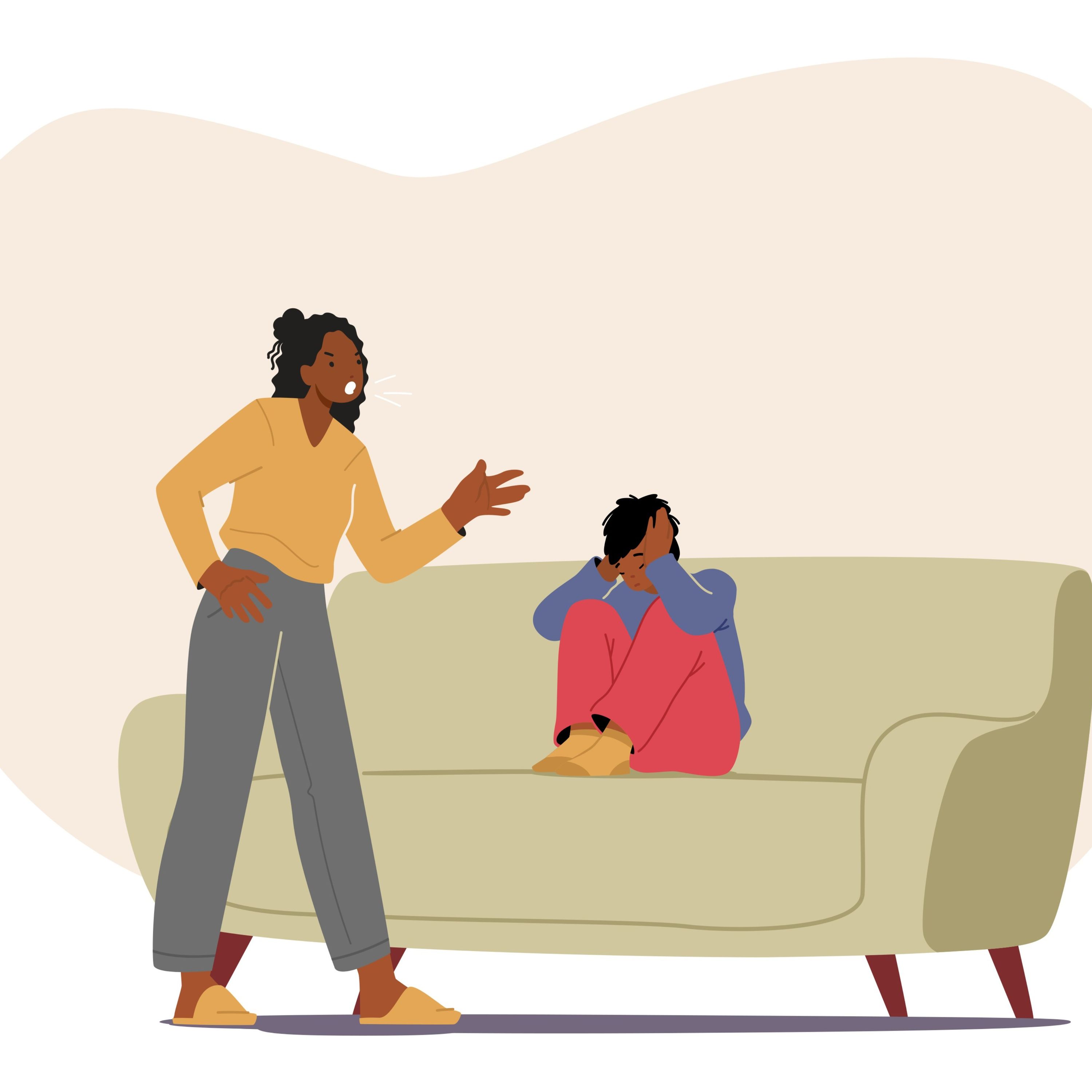
Our nervous system is wired to gravitate towards familiar patterns, confusing them with safety. This is why people unconsciously recreate painful or traumatic childhood dynamics in adult relationships. It is a biological pull toward the known, not a conscious desire for pain, making it a cosmically unfair default setting.

Individuals who repeatedly select abusive partners are not consciously seeking pain. Instead, their subconscious is drawn to the familiar emotional dynamic of a traumatic childhood. Because an abusive parent was also a "love figure," this painful connection becomes a subconscious blueprint for adult relationships until the pattern is consciously broken.

A significant trauma often triggers an automatic, reflexive response of guilt and shame. This emotional reflex drives individuals to bury or avoid the trauma, which is the exact opposite of the communication and confrontation needed for healing.
According to neuroanatomist Dr. Jill Bolte-Taylor, the brain's left emotional system stores past pain, trauma, and addiction. This isn't a flaw; it's a protective mechanism designed to trigger reactions based on past negative events. Healing involves understanding this system, not erasing it.

Trying to eliminate trauma is counterproductive. Instead, reframe its role by acknowledging it as a protective mechanism in your left brain. Thank it for its information, then consciously shift focus to other brain regions to self-soothe and move forward.
When your nervous system is conditioned by a chaotic upbringing, tranquility can feel foreign and unsafe. This creates a subconscious drive to recreate chaos in relationships, work, or personal life because the familiar turmoil feels more "normal" than peace, a key hurdle in the healing process.

Psychologists can predict the severity of a person's depressive and anxious symptoms not by the content of their trauma, but by the form of their narrative. Recurring, stuck narratives, or what is called the "same old story," correlate with poorer mental health outcomes.
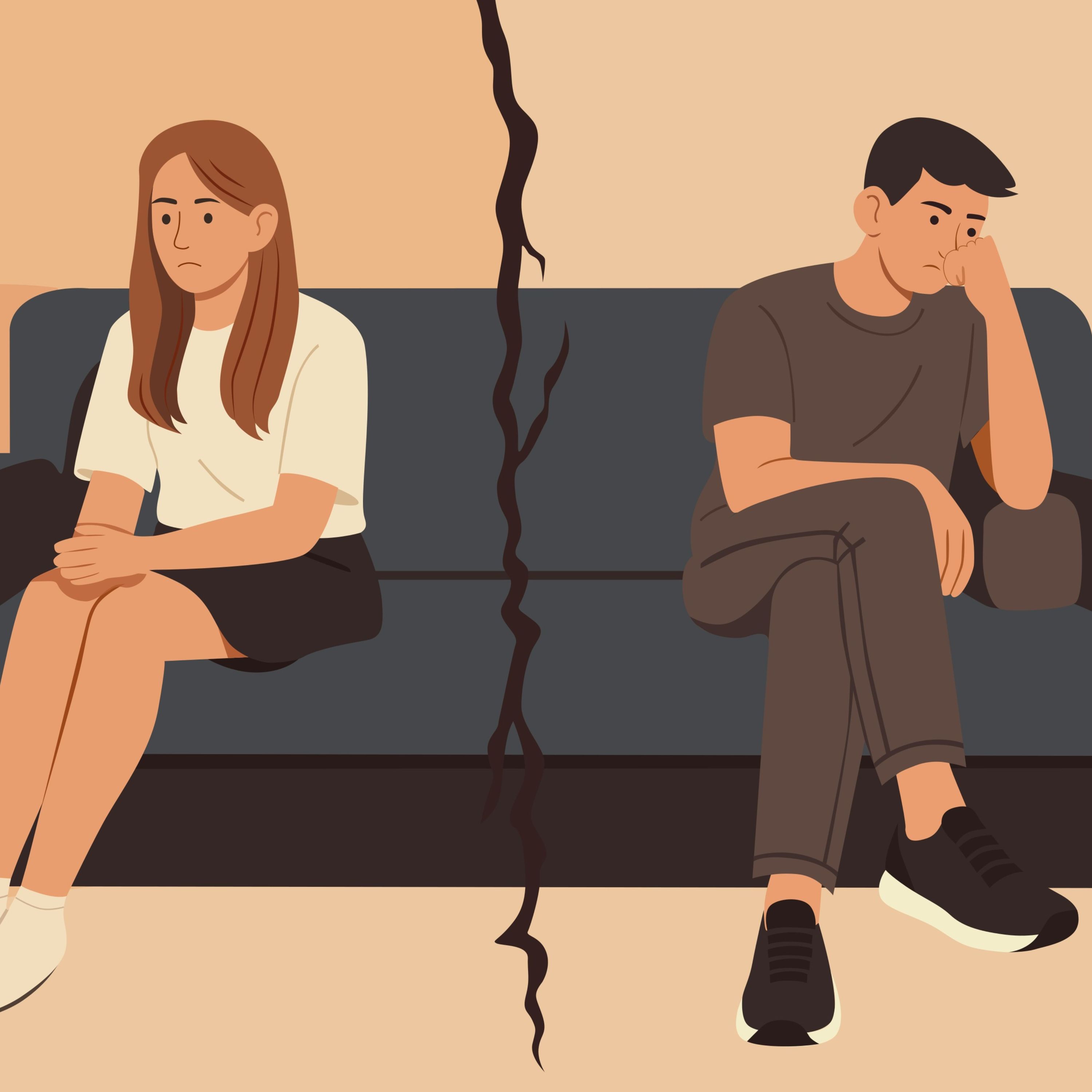
To heal a relational wound, one must revisit the original feeling within a new, safe relationship. The healing occurs when this context provides a "disconfirming experience"—a different, positive outcome that meets the original unmet need and neurologically rewrites the pattern.
A therapy called IRT treats nightmares by leveraging memory reconsolidation. Patients actively recall a traumatic dream, rewrite its narrative and outcome while awake, and then resave the updated, less threatening version during their next sleep cycle, gradually diminishing its power.
