Get your free personalized podcast brief
We scan new podcasts and send you the top 5 insights daily.
A therapy called IRT treats nightmares by leveraging memory reconsolidation. Patients actively recall a traumatic dream, rewrite its narrative and outcome while awake, and then resave the updated, less threatening version during their next sleep cycle, gradually diminishing its power.

Related Insights
The contents of our conscious experience, or "working memory," are ephemeral and fade away unless actively maintained. Focusing on a neutral anchor like the breath isn't just a distraction; it actively starves an anxiety-producing narrative of the cognitive fuel it needs to persist, allowing it to naturally dissipate.

Trauma is not an objective property of an event but a subjective experience created by the relationship between a present situation and past memories. Because experience is a combination of sensory input and remembered past, changing the meaning or narrative of past events can change the experience of trauma itself.

Memory doesn't work like a linear filing system. It's stored in associative patterns based on themes and emotions. When one memory is activated, it can trigger a cascade of thematically connected memories, regardless of when they occurred, explaining why a current event can surface multiple similar past experiences.

The mind wanders 50% of the time not by accident, but as an evolutionary feature. This "spontaneous thought" acts like a replay function, repeatedly firing neural patterns from recent experiences to strengthen their connections and embed them as long-term memories.
You cannot simply think your way out of a deep-seated fear, as it is an automatic prediction. To change it, you must systematically create experiences that generate "prediction error"—where the feared outcome doesn't happen. This gradual exposure proves to your brain that its predictions are wrong, rewiring the response over time.
The mechanism of 'memory reconsolidation' offers a path to 'hack' your personality. By simultaneously activating a challenging emotional charge (e.g., anxiety) and a commensurate sense of safety or compassion, you can fundamentally rewrite your default emotional response to that stimulus.

The brain doesn't strive for objective, verbatim recall. Instead, it constantly updates and modifies memories, infusing them with emotional context and takeaways. This process isn't a bug; its purpose is to create useful models to guide future decisions and ensure survival.
During REM sleep, the brain is in a unique state where the stress neurochemical noradrenaline is completely shut off. This allows the brain to reprocess difficult emotional experiences without the anxiety response, effectively stripping the painful charge from the memory itself.
Psychologists can predict the severity of a person's depressive and anxious symptoms not by the content of their trauma, but by the form of their narrative. Recurring, stuck narratives, or what is called the "same old story," correlate with poorer mental health outcomes.
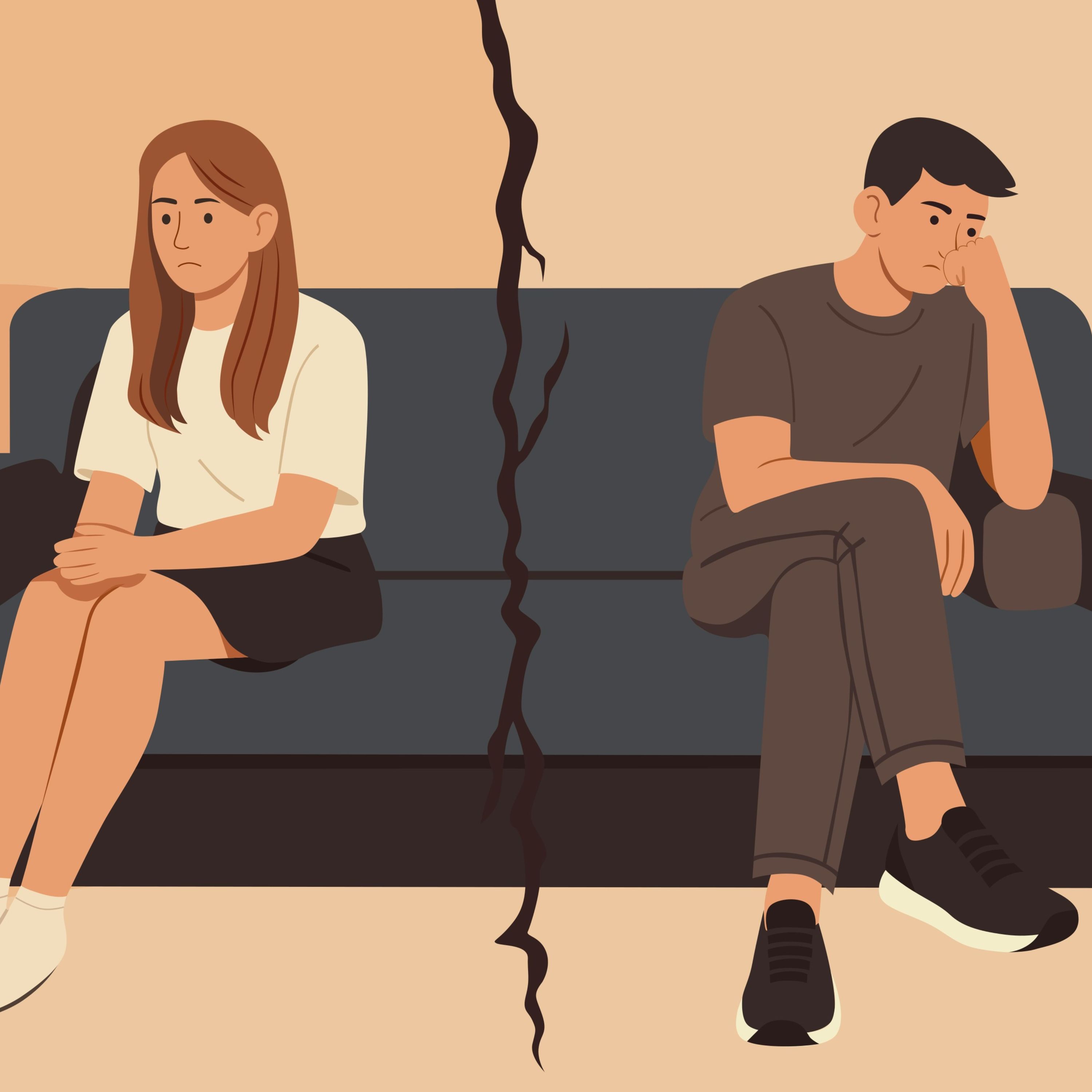
To heal a relational wound, one must revisit the original feeling within a new, safe relationship. The healing occurs when this context provides a "disconfirming experience"—a different, positive outcome that meets the original unmet need and neurologically rewrites the pattern.
