Get your free personalized podcast brief
We scan new podcasts and send you the top 5 insights daily.
According to neuroanatomist Dr. Jill Bolte-Taylor, the brain's left emotional system stores past pain, trauma, and addiction. This isn't a flaw; it's a protective mechanism designed to trigger reactions based on past negative events. Healing involves understanding this system, not erasing it.

Related Insights
Trauma is not an objective property of an event but a subjective experience created by the relationship between a present situation and past memories. Because experience is a combination of sensory input and remembered past, changing the meaning or narrative of past events can change the experience of trauma itself.

Memory doesn't work like a linear filing system. It's stored in associative patterns based on themes and emotions. When one memory is activated, it can trigger a cascade of thematically connected memories, regardless of when they occurred, explaining why a current event can surface multiple similar past experiences.
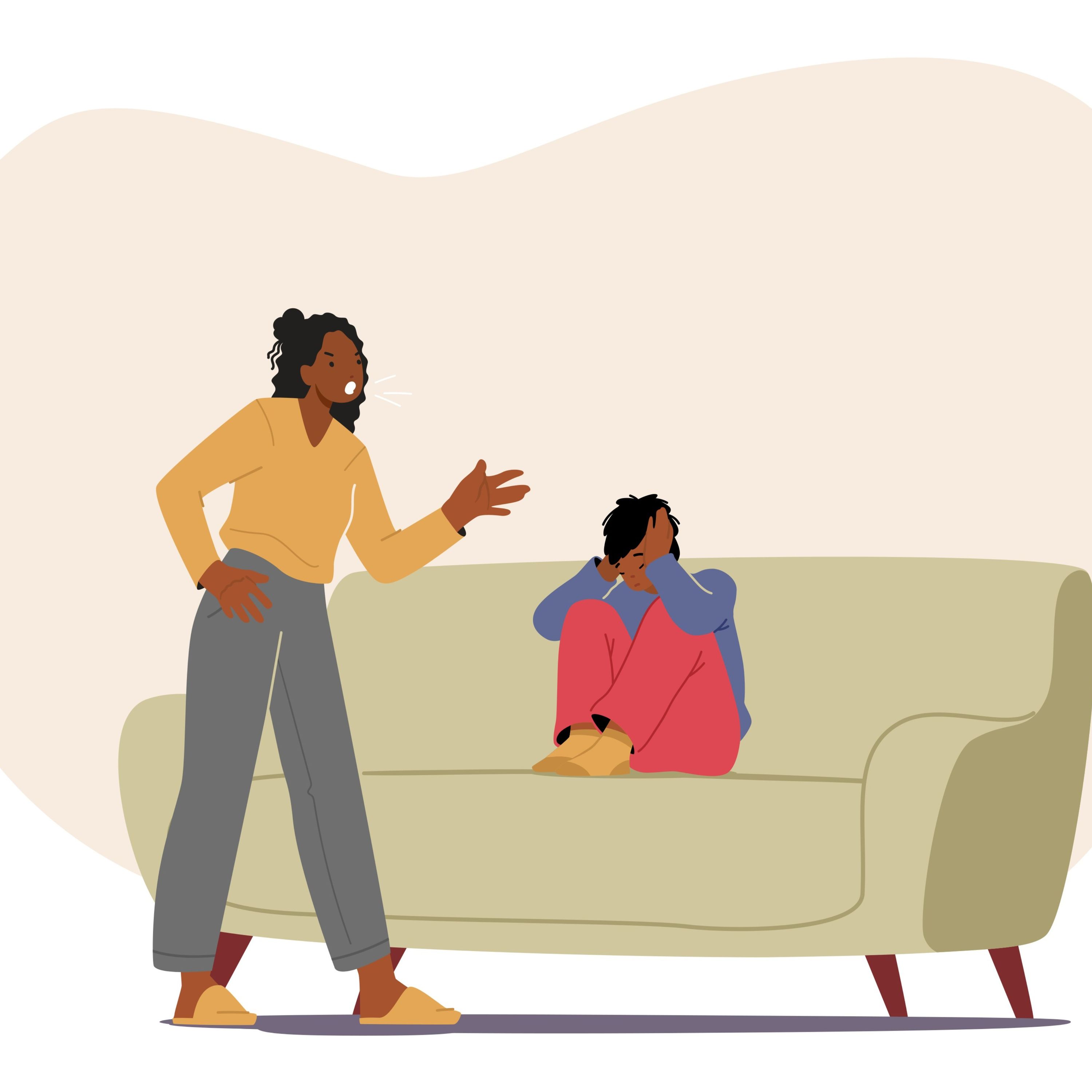
The ego, or our sense of being an individual "I," is not just a psychological construct. Neuroscientist Dr. Jill Bolte-Taylor explains it is a function performed by a specific group of cells in the left hemisphere. Her stroke temporarily shut these cells down, causing her sense of self to dissolve.
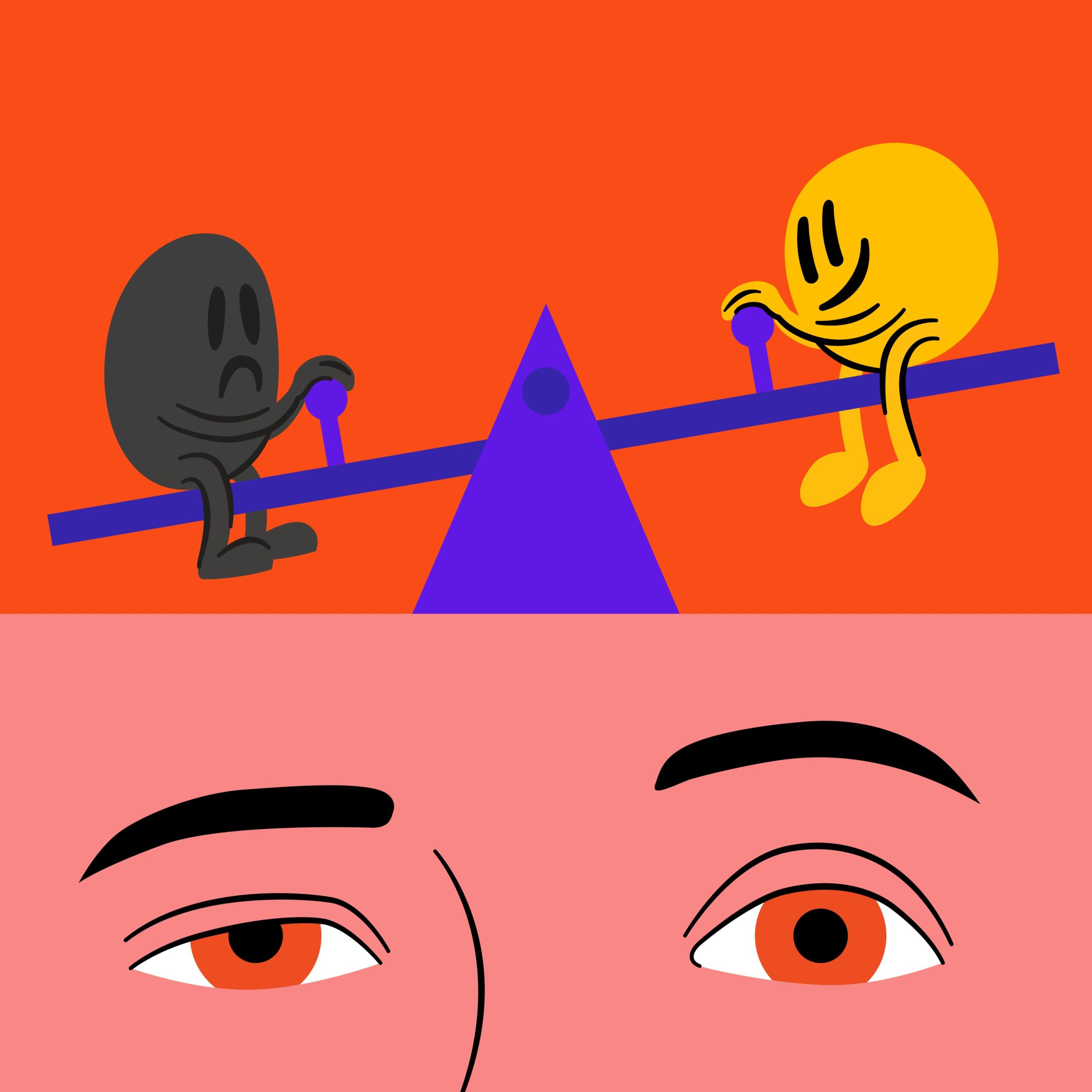
Neuroscience shows pleasure and pain are co-located in the brain and work like a seesaw. When we experience pleasure, the brain immediately compensates by tilting towards pain to restore balance. This neurological 'come down' is why constant pleasure-seeking eventually leads to a state of chronic pain and craving.
Trying to eliminate trauma is counterproductive. Instead, reframe its role by acknowledging it as a protective mechanism in your left brain. Thank it for its information, then consciously shift focus to other brain regions to self-soothe and move forward.
The mechanism of 'memory reconsolidation' offers a path to 'hack' your personality. By simultaneously activating a challenging emotional charge (e.g., anxiety) and a commensurate sense of safety or compassion, you can fundamentally rewrite your default emotional response to that stimulus.

Addiction isn't defined by the pursuit of pleasure. It's the point at which a behavior, which may have started for rational reasons, hijacks the brain’s reward pathway and becomes compulsive. The defining characteristic is the inability to stop even when the behavior no longer provides pleasure and begins causing negative consequences.
During REM sleep, the brain is in a unique state where the stress neurochemical noradrenaline is completely shut off. This allows the brain to reprocess difficult emotional experiences without the anxiety response, effectively stripping the painful charge from the memory itself.

Neuroscientist Dr. Jill Bolte-Taylor posits our brain's four distinct anatomical parts function like different characters. By understanding these "personalities" (e.g., logical left-brain, playful right-brain), we can consciously choose which to activate, rather than letting them run on autopilot.
To heal a relational wound, one must revisit the original feeling within a new, safe relationship. The healing occurs when this context provides a "disconfirming experience"—a different, positive outcome that meets the original unmet need and neurologically rewrites the pattern.
