Get your free personalized podcast brief
We scan new podcasts and send you the top 5 insights daily.
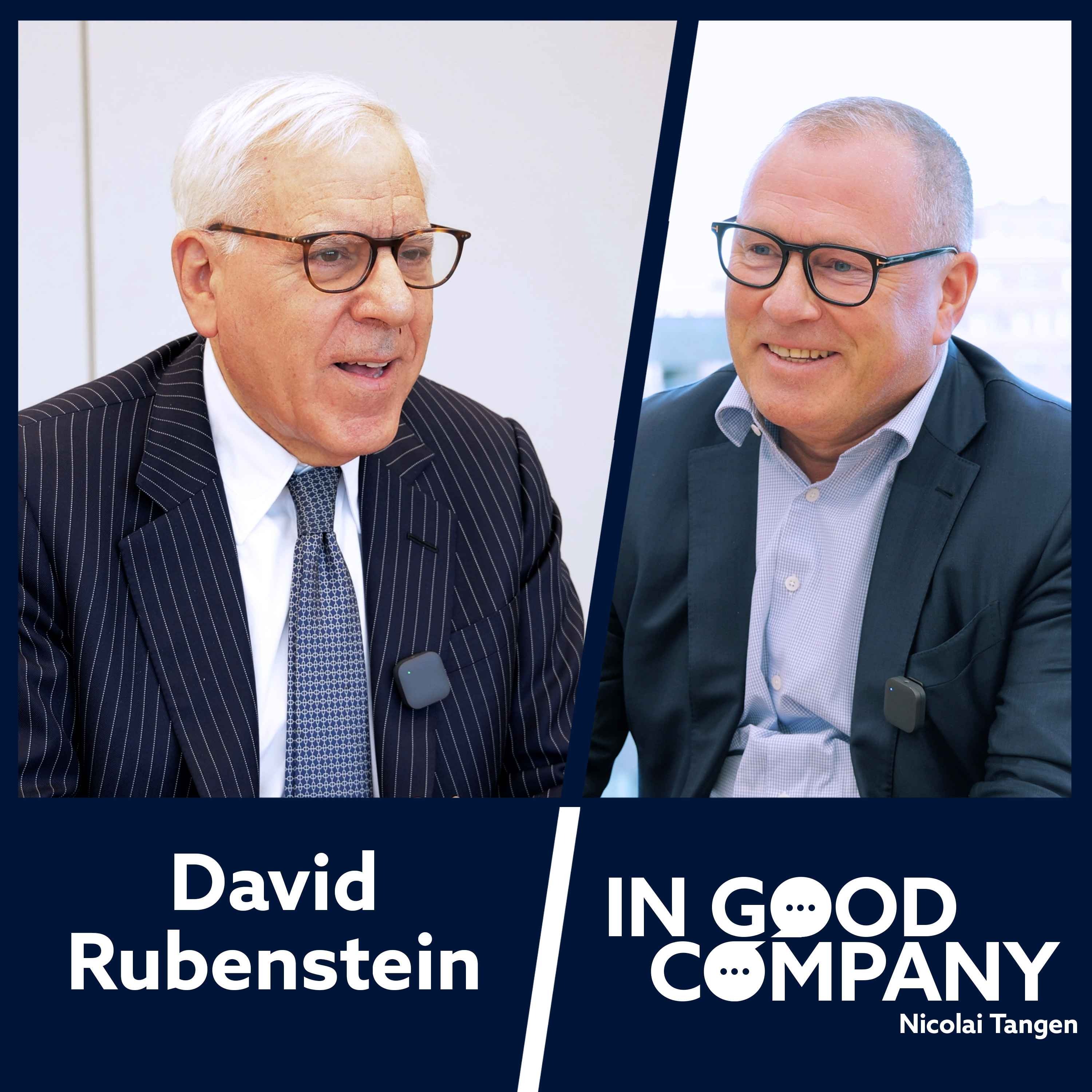
Before Carlyle Group was a private equity giant, founder David Rubenstein built his network in D.C. by hosting off-the-record, non-partisan educational sessions for politicians. He brought in experts simply to help them make better-informed decisions, establishing himself as a trusted, neutral convener.

Related Insights
In heavily regulated or legally ambiguous industries, a founder's most valuable asset can be political connections. One startup literally used a pitch deck slide showing its co-founder with prominent politicians to signal their ability to influence future legislation in their favor. This represents a stark, real-world "crony capitalism" business strategy.
Instead of competing in saturated New York, David Rubenstein founded Carlyle in Washington D.C. He leveraged the location by specializing in government-affected industries like aerospace, creating a unique expertise that Wall Street couldn't easily replicate. This strategy turned a perceived geographic disadvantage into a powerful, defensible market niche.
Early in his career, the podcast host couldn't afford expensive conference tickets. He would hang out in the lobbies of these events to meet influential figures like Bill Gates and Michael Dell, a scrappy networking strategy he calls "lobby crashing."

Influential people are instinctively inclined to help those they perceive as "insiders." To gain their support, find a way to become part of their tribe. This can be through shared groups, interests, or backgrounds, leveraging the human instinct to support one's own.

Ron Conway's influence extends beyond his portfolio because he's committed to the entire tech ecosystem. He shares a story of giving advice to Zoom founder Eric Yuan in a parking lot long before Zoom was successful. This willingness to help any founder, regardless of immediate ROI, builds immense long-term goodwill and deal flow.

Effective civic engagement for tech is not transactional. Ron Conway advises building long-term relationships with legislators by consistently highlighting the jobs the industry creates. This establishes goodwill and loyalty, ensuring politicians are allies when a regulatory crisis emerges, rather than seeing them for the first time when you need help.
In the 1990s, the first PE operating partners were not involved in daily operations. They were senior, retired executives brought on for their networks to source deals and find talent ('I got a guy'), functioning more as high-level connectors than as value-creation drivers.

Rubenstein avoids political donations to prevent being blamed for politicians' actions, avoid accusations of buying access, and maintain the ability to bring Democrats and Republicans together for high-level initiatives.

The influence of powerful groups stems from a simple principle: people do business with those they spend time with. Power is a web of personal relationships and shared economic interests, not a mystical, grand conspiracy.

To get on Joe Rogan's podcast, the founder didn't pitch him directly. Instead, he was introduced via mutual contacts (Marc Andreessen, Lex Fridman) to help Rogan's daughter with a school project, providing immense value first and building a relationship organically.