Get your free personalized podcast brief
We scan new podcasts and send you the top 5 insights daily.
Effective civic engagement for tech is not transactional. Ron Conway advises building long-term relationships with legislators by consistently highlighting the jobs the industry creates. This establishes goodwill and loyalty, ensuring politicians are allies when a regulatory crisis emerges, rather than seeing them for the first time when you need help.

Related Insights
In heavily regulated or legally ambiguous industries, a founder's most valuable asset can be political connections. One startup literally used a pitch deck slide showing its co-founder with prominent politicians to signal their ability to influence future legislation in their favor. This represents a stark, real-world "crony capitalism" business strategy.

For large, potentially controversial projects, dedicate significant time upfront to meet every stakeholder group—from supporters to critics. By socializing the idea and framing its benefits for each party, you can build widespread support that preempts future opposition.
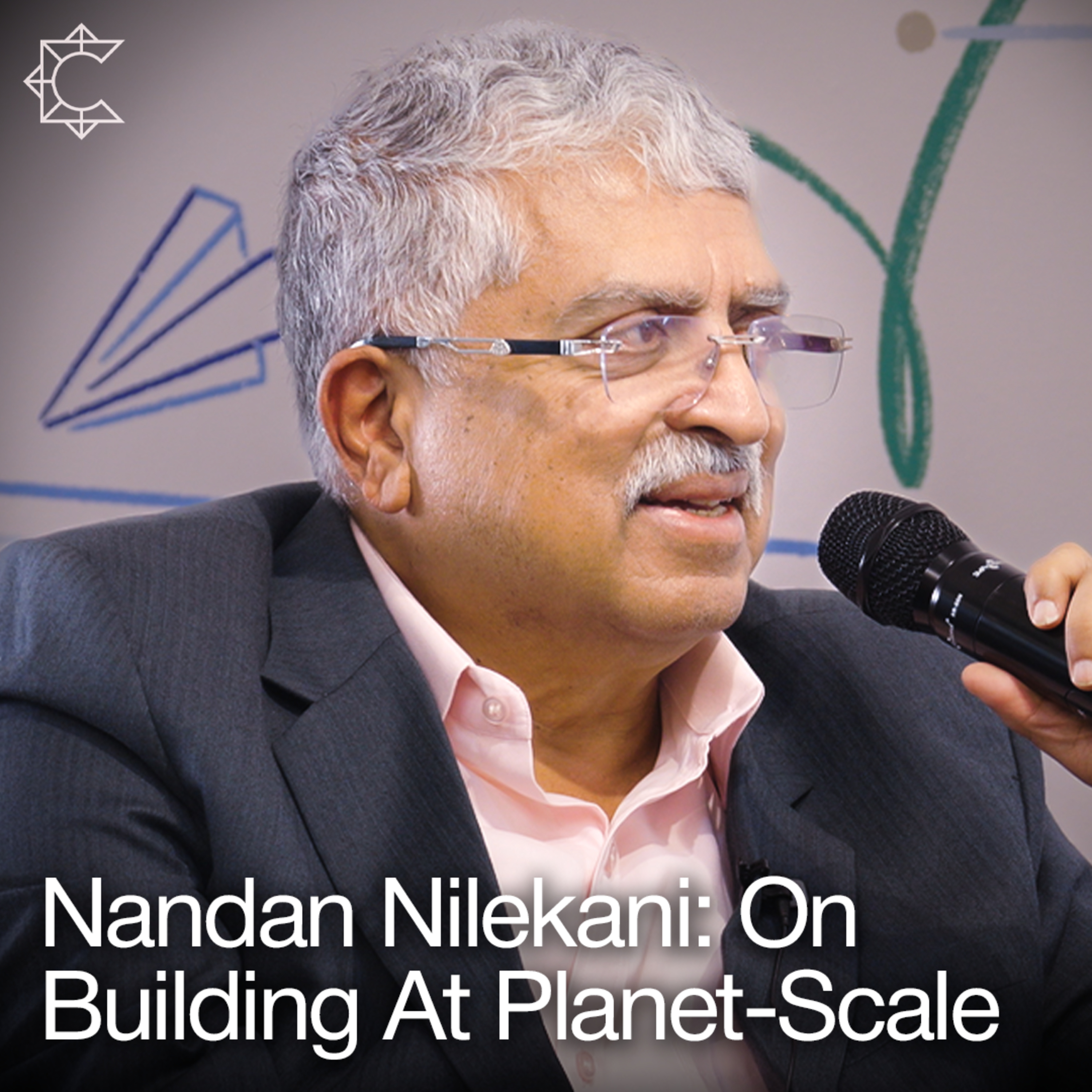
The most profound and lasting professional relationships are not built at networking events. They are forged either during high-stakes professional crises, like a difficult negotiation, or through collaborative efforts to give back and nurture others in the ecosystem.

As described by Microsoft's President, corporate political donations are the "entry ticket" to the retreats and dinners where politicians spend their time. The check doesn't buy a specific policy outcome but provides the consistent access needed to build influential relationships.

Veteran advisor Bradley Tusk argues that successful startup lobbying is not about technology's merits, but about a politician's self-interest. The key is to demonstrate how approving the startup's agenda helps a politician win their next election, or how blocking it will hurt their chances.

The current political and regulatory environment means running a biotech company is no longer just about science and capital. CEOs must now actively engage in policy discussions and lobby legislators to ensure the ecosystem remains favorable for innovation. Ignoring politics is no longer an option.

A city's leader should operate like a CEO, optimizing for the entire municipality rather than specific factions. The primary goal should be creating economic prosperity and opportunities for all residents, from ages 18 to 90. This 'creation' mindset is more effective than political campaigns based on taking from one group to give to another.
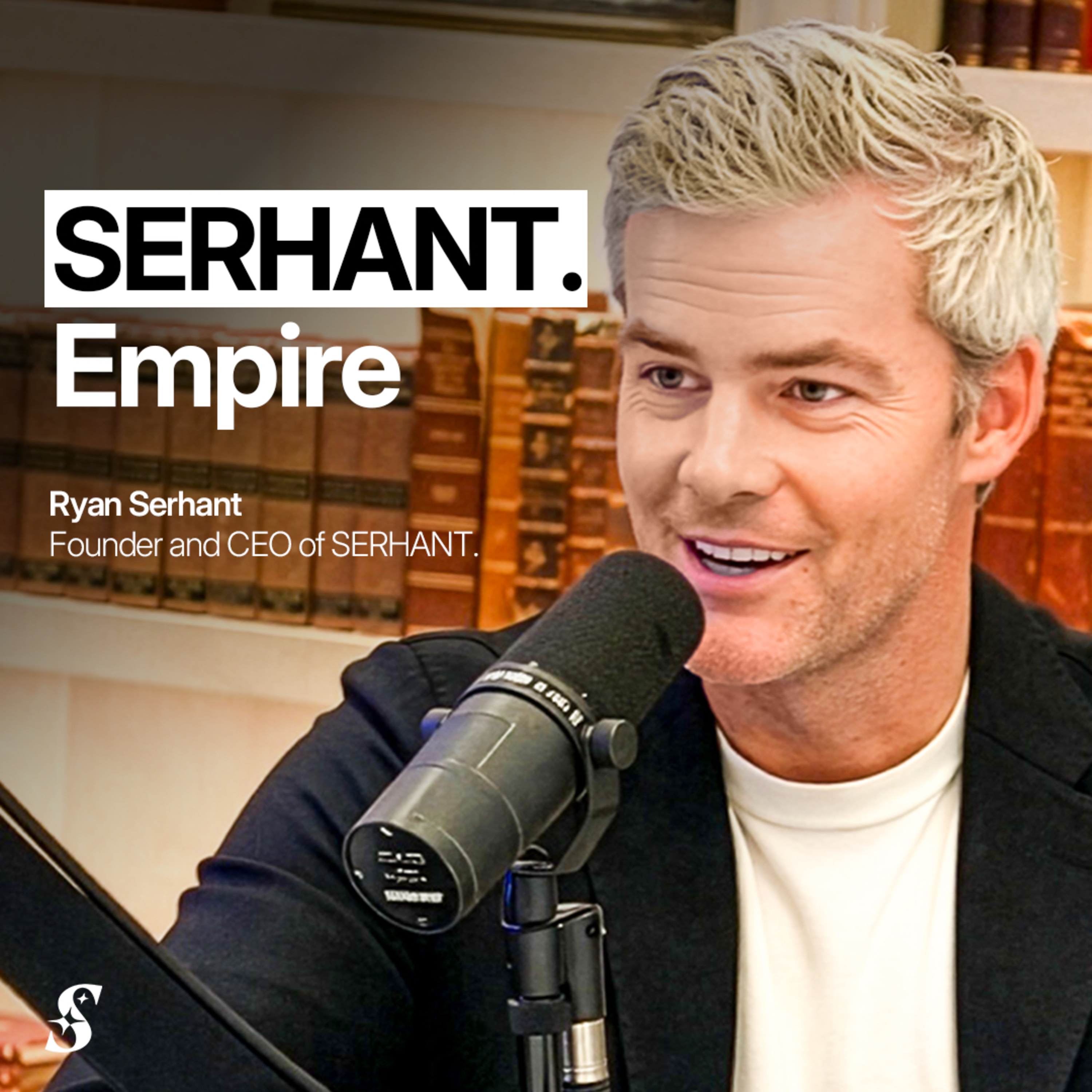
A16z argues that influencing policy is a "relationship game" requiring sustained engagement with policymakers and staff. Startups, focused on survival, lack the resources for this long-term effort, so A16z acts as the infrastructure to build and maintain these crucial connections on their behalf.

When meeting with senior leaders, shift the focus from your status updates to their priorities. Ask what's top of mind for them, what challenges they face, and how you can help. This reframes you from a direct report into a strategic ally, building trust and social capital.

Building influence requires a strategic approach. Actively survey your professional relationships, identify where you lack connections with stakeholders, and methodically invest time in building alliances with leaders who can advocate for your ideas when you're not in the room.