Get your free personalized podcast brief
We scan new podcasts and send you the top 5 insights daily.
The influence of powerful groups stems from a simple principle: people do business with those they spend time with. Power is a web of personal relationships and shared economic interests, not a mystical, grand conspiracy.

Related Insights
The principle that a small group will always emerge to lead is a fundamental law of human organization. This isn't limited to geopolitics or massive corporations; it's a fractal pattern observable in every group, including one's own family.

The traditional power structure of climbing a single corporate ladder is obsolete. For senior women, networks have become the primary vehicle for building influence and opportunity. They leverage these communities to collaborate, find investors, and launch ventures, effectively creating their own "tables of influence."
There's a fundamental difference in how people build influence. Manipulative "political operators" collect allies for short-term, transactional gain. In contrast, genuine leaders invest in building deep, transformational relationships based on mutual trust and respect.

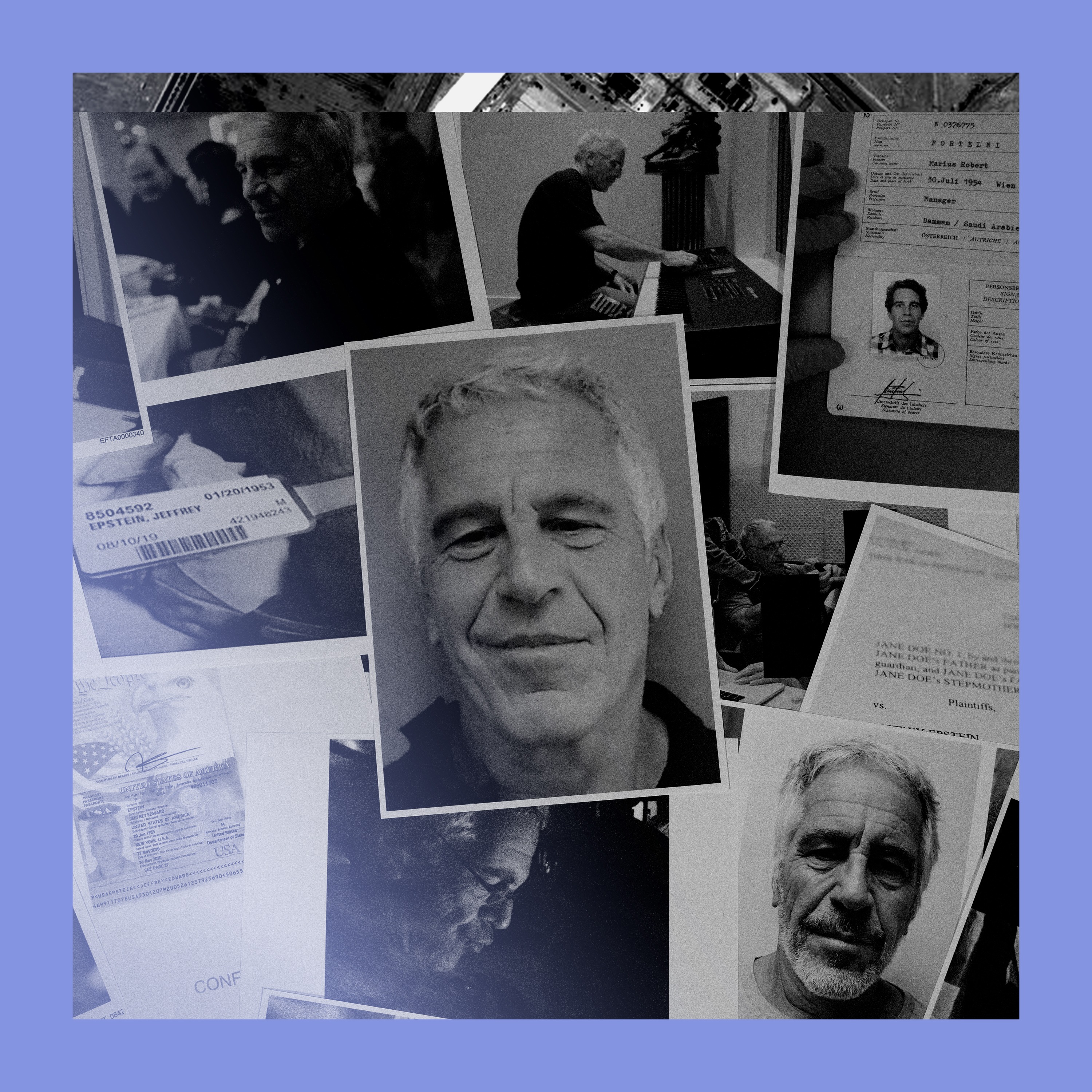
The files reveal a small, tightly-knit group of globally influential people interconnected in unexpected ways. This network demonstrates the sociological theory that a small ruling class, or oligarchy, inevitably forms within any society.

Money without knowledge is useless, and knowledge without a network is inert. A powerful network is the ultimate asset because it unlocks access to both capital and expertise, making it the most effective lever for creating significant, real-world impact.

Influential people are instinctively inclined to help those they perceive as "insiders." To gain their support, find a way to become part of their tribe. This can be through shared groups, interests, or backgrounds, leveraging the human instinct to support one's own.

Conspiracy theories are often logically fragile because they require believing in a group of conspirators who exhibit perfect psychopathy, flawless competence, and complete information control over long periods—an impossibly stable combination in the real world.
Data analysis of Jeffrey Epstein's emails reveals his network was not confined to his financial background. It was exceptionally broad, including elites from science, technology, and law. A quarter of his non-staff contacts had their own Wikipedia pages, indicating a strategic cultivation of influence across various power centers.
True global power operates at a structural level above daily life. A small group of people (e.g., ~150) influences global economic policy by understanding and manipulating the fundamental mechanisms of society, a reality most are unaware of.
True influence isn't about chasing views. It's built on a framework of four key elements: Status (controlling scarce resources), Power (your advice gets results), Credibility (objective proof), and Likeness (relatability).
