Get your free personalized podcast brief
We scan new podcasts and send you the top 5 insights daily.
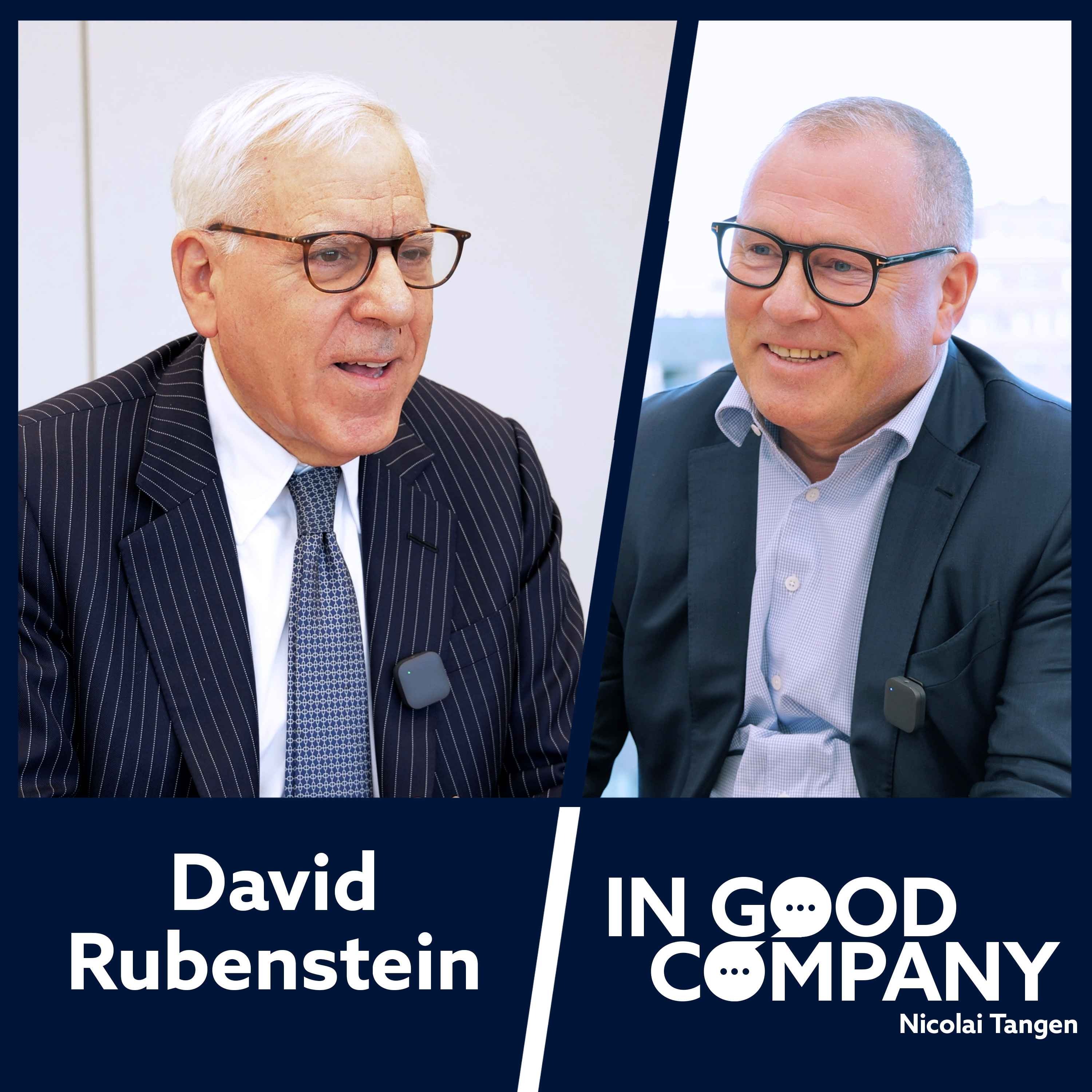
Instead of competing in saturated New York, David Rubenstein founded Carlyle in Washington D.C. He leveraged the location by specializing in government-affected industries like aerospace, creating a unique expertise that Wall Street couldn't easily replicate. This strategy turned a perceived geographic disadvantage into a powerful, defensible market niche.
Related Insights
In heavily regulated or legally ambiguous industries, a founder's most valuable asset can be political connections. One startup literally used a pitch deck slide showing its co-founder with prominent politicians to signal their ability to influence future legislation in their favor. This represents a stark, real-world "crony capitalism" business strategy.

John Morgan’s crime museum struggled in Washington D.C. due to competition from free attractions and building restrictions. Instead of quitting, he doubled down on the concept and moved the entire operation to a tourist-heavy location, Pigeon Forge. It quickly became highly profitable, proving a great idea might just be in the wrong place.
Rockefeller identified transportation as his largest expense and made it his obsession. Instead of just minimizing this cost, he transformed it into a strategic weapon, negotiating secret rebates that not only lowered his costs but also generated profit from competitors' shipments, effectively funding his monopolistic expansion.

Unlike traditional tech, founders in the American Dynamism space often succeed because of their deep, first-hand understanding of the customer (e.g., government, military). Many have prior service, hold security clearances, or have sold to government before. This "customer intimacy" allows them to speak the language and navigate complex procurement, a crucial advantage.

A sustainable competitive advantage is often rooted in a company's culture. When core values are directly aligned with what gives a company its market edge (e.g., Costco's employee focus driving superior retail service), the moat becomes incredibly difficult for competitors to replicate.
![[REPLAY] Paul Black - Gratitude, Fun, and Growth Stocks (Capital Allocators, EP.51) thumbnail](https://static.libsyn.com/p/assets/f/b/7/6/fb76e1c8bfb69e8dd959afa2a1bf1c87/CA_Square_logo_light_background_6.26.24.jpg)
Geopolitical shifts mean a company's country of origin heavily influences its market access and tariff burdens. This "corporate nationality" creates an uneven playing field, where a business's location can instantly become a massive advantage or liability compared to competitors.
Ken Griffin warns startups against direct, head-on competition with industry giants, stating, "you're going to lose." To succeed, you must find an asymmetrical advantage—operating "under the radar" or solving niche problems incumbents ignore. Citadel initially did this by hiring unconventional quantitative talent.

Sustainable scale isn't just about a better product; it's about defensibility. The three key moats are brand (a trusted reputation that makes you the default choice), network (leveraged relationships for partnerships and talent), and data (an information advantage that competitors can't easily replicate).
