Get your free personalized podcast brief
We scan new podcasts and send you the top 5 insights daily.
A study found participants were more stressed by a 50% chance of an electric shock than a 100% chance. This shows we are wired to find uncertainty more painful than a guaranteed negative outcome. In business, this discomfort with the unknown can lead to paralysis and inaction.

Related Insights
The best leaders act on incomplete information, understanding that 100% certainty is a myth that only exists in hindsight. The inability to decide amid ambiguity—choosing inaction—is a greater failure than making the wrong call.

Research shows people are more stressed by a 50% chance of an electric shock than a 100% certainty of one. This reveals our profound aversion to ambiguity. For leaders, it means the uncertainty surrounding a change can be more debilitating for teams than the negative change itself.
When you take a professional risk, the result is binary: either you succeed, or you fail. While failure might sting, it provides a definitive answer, freeing you from the mental anguish of wondering 'what if.' Both outcomes are superior to the paralysis and prolonged uncertainty of inaction.
Neuroscience shows uncertainty triggers a threat response, killing creativity and collaboration. A confirmed negative outcome, however, allows the brain to switch from emotional processing to rational problem-solving, making clarity more important than certainty for employee well-being.

During the COVID pandemic, some people drank bleach because our brains are wired to despise uncertainty. In the absence of clear answers, we gravitate towards any promised solution, however dangerous, because taking action provides a false sense of control.
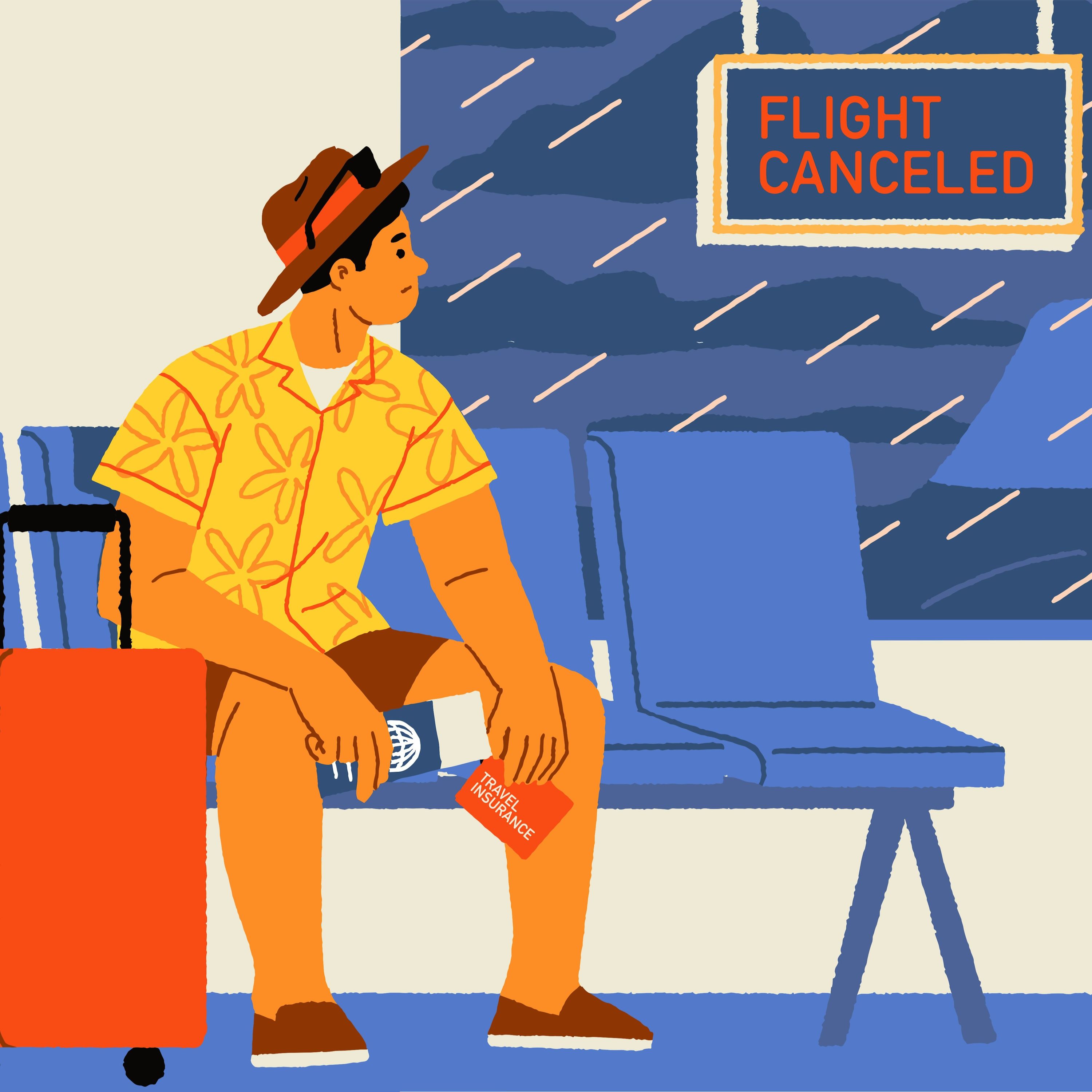
The tendency to delay tasks isn't due to laziness or poor discipline. It's a self-preservation mechanism where the brain, fearing failure, enters an "avoidance mode." This neurological wiring prioritizes perceived safety over success, locking you in a state of inaction.

To avoid the discomfort of ambiguity, people would rather invent a definite, albeit catastrophic, future scenario. This cognitive bias highlights a deep-seated need for certainty, even if the certainty imagined is terrifying or supernatural. Dealing with the simple truth of "I don't know" is often more psychologically challenging than confronting a known disaster.

The psychological discomfort of uncertainty, especially under stress like fatigue, pushes us to make *any* decision, even a bad one, just to escape the feeling. The desire for relief can override the need for the right answer, leading to costly mistakes.
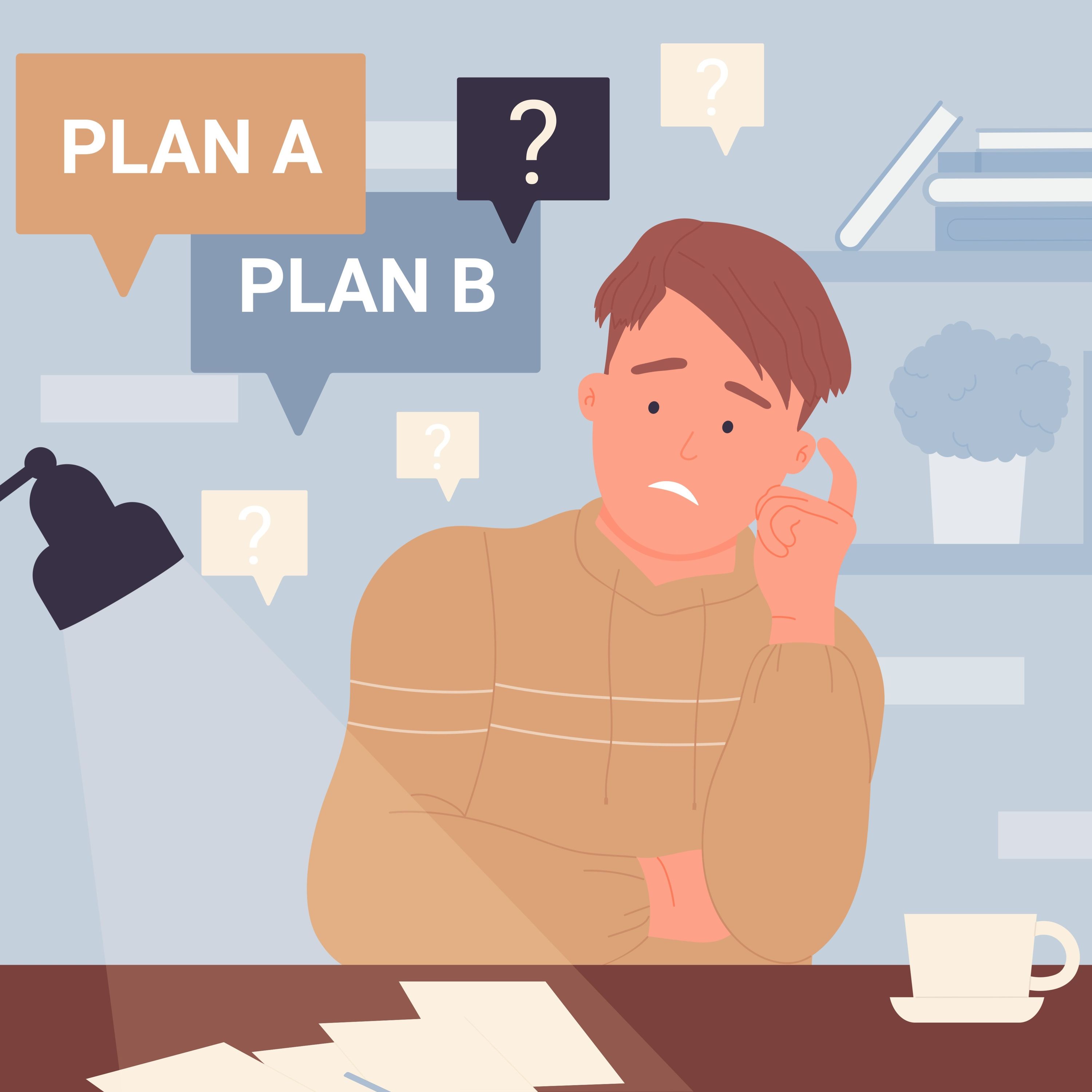
Economist Frank Knight's framework distinguishes risk (known probabilities) from uncertainty (unknowns). Today's business environment is filled with uncertainty, which triggers a natural fear and a 'freeze' response in leaders. Recognizing this distinction is the first step to acting despite incomplete information.
Humans are biased to overestimate downside and underestimate upside because our ancestors' survival depended on it. The cautious survived, passing on pessimistic genes. In the modern world, where most risks are not fatal, this cognitive bias prevents us from pursuing opportunities where the true upside is in the unknown.
