Get your free personalized podcast brief
We scan new podcasts and send you the top 5 insights daily.
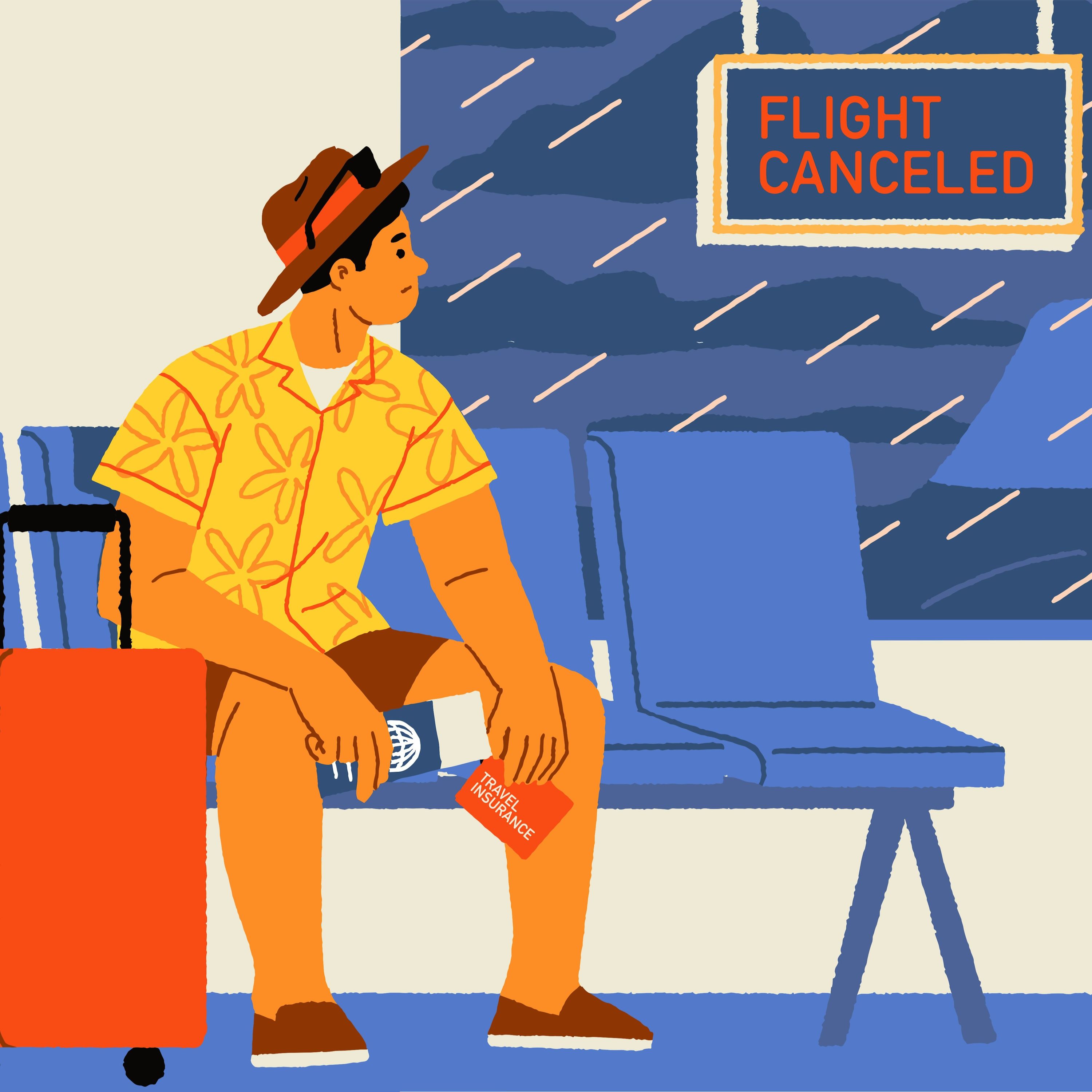
During the COVID pandemic, some people drank bleach because our brains are wired to despise uncertainty. In the absence of clear answers, we gravitate towards any promised solution, however dangerous, because taking action provides a false sense of control.
Related Insights
The tendency to blame a single entity for disparate negative events isn't about logic but about satisfying a deep psychological need for order and control. This "derangement syndrome" provides a simple, pre-made narrative that assigns blame and creates a sense of understanding, regardless of evidence.

The public's rejection of nuclear power is a 'perfect storm' of psychological biases: the high salience of disasters (availability heuristic), an intuitive fear of 'contamination,' and the desire to eliminate one scary risk rather than reduce overall aggregate danger.

Humans crave control. When faced with uncertainty, the brain compensates by creating narratives and seeing patterns where none exist. This explains why a conspiracy theory about a planned event can feel more comforting than a random, chaotic one—the former offers an illusion of understandable order.

Linked to the "White Bear" experiment, trying *not* to think about a negative outcome (like a canoe flipping) keeps the idea active in your mind. This mental availability makes you more likely to act on that fear when faced with ambiguity.

The human brain resists ambiguity and seeks closure. When a significant, factual event occurs but is followed by a lack of official information (often for legitimate investigative reasons), this creates an "open loop." People will naturally invent narratives to fill that void, giving rise to conspiracy theories.
In a study where people could self-stimulate emotions, they chose anger. This suggests anger is not just a reaction but a preferred state because it replaces fear and uncertainty with a clear sense of righteousness and a simple path to action, even if destructive.
A neuroscience study revealed that when subjects could choose an emotion to have stimulated in their brains, they universally chose anger. This is because anger provides a feeling of clarity and purpose, eliminating the uncomfortable states of anxiety and uncertainty that people hate.

Anger is the emotion people are most likely to self-stimulate because it provides a potent neurological shortcut. It replaces anxiety and uncertainty with a feeling of clarity, energy, and focus, making it a tempting but dangerous short-term solution to complex problems.

Munger argued that academic psychology missed the most critical pattern: real-world irrationality stems from multiple psychological tendencies combining and reinforcing each other. This "Lollapalooza effect," not a single bias, explains extreme outcomes like the Milgram experiment and major business disasters.
![Charlie Munger and The Psychology of Human Misjudgement [Outliers] thumbnail](https://megaphone.imgix.net/podcasts/ffb628d4-c418-11f0-acd7-b3217b3943c4/image/37067138e685dc4ea5d98531397f6711.png?ixlib=rails-4.3.1&max-w=3000&max-h=3000&fit=crop&auto=format,compress)
People feeling financially trapped don't become more responsible. Instead, they enter a psychological "lost domain" where they re-evaluate risk and seek a single, high-stakes move to recover everything at once, often leading to a downward spiral.
