Get your free personalized podcast brief
We scan new podcasts and send you the top 5 insights daily.
Research shows people are more stressed by a 50% chance of an electric shock than a 100% certainty of one. This reveals our profound aversion to ambiguity. For leaders, it means the uncertainty surrounding a change can be more debilitating for teams than the negative change itself.
Related Insights
During any change, people are neurologically wired to focus on what they might lose, weighing it twice as heavily as potential gains. To lead through transformation, you must counteract this loss aversion by vividly and repeatedly painting a picture of the 'promised land.'

The best leaders act on incomplete information, understanding that 100% certainty is a myth that only exists in hindsight. The inability to decide amid ambiguity—choosing inaction—is a greater failure than making the wrong call.

Neuroscience shows uncertainty triggers a threat response, killing creativity and collaboration. A confirmed negative outcome, however, allows the brain to switch from emotional processing to rational problem-solving, making clarity more important than certainty for employee well-being.

During the COVID pandemic, some people drank bleach because our brains are wired to despise uncertainty. In the absence of clear answers, we gravitate towards any promised solution, however dangerous, because taking action provides a false sense of control.
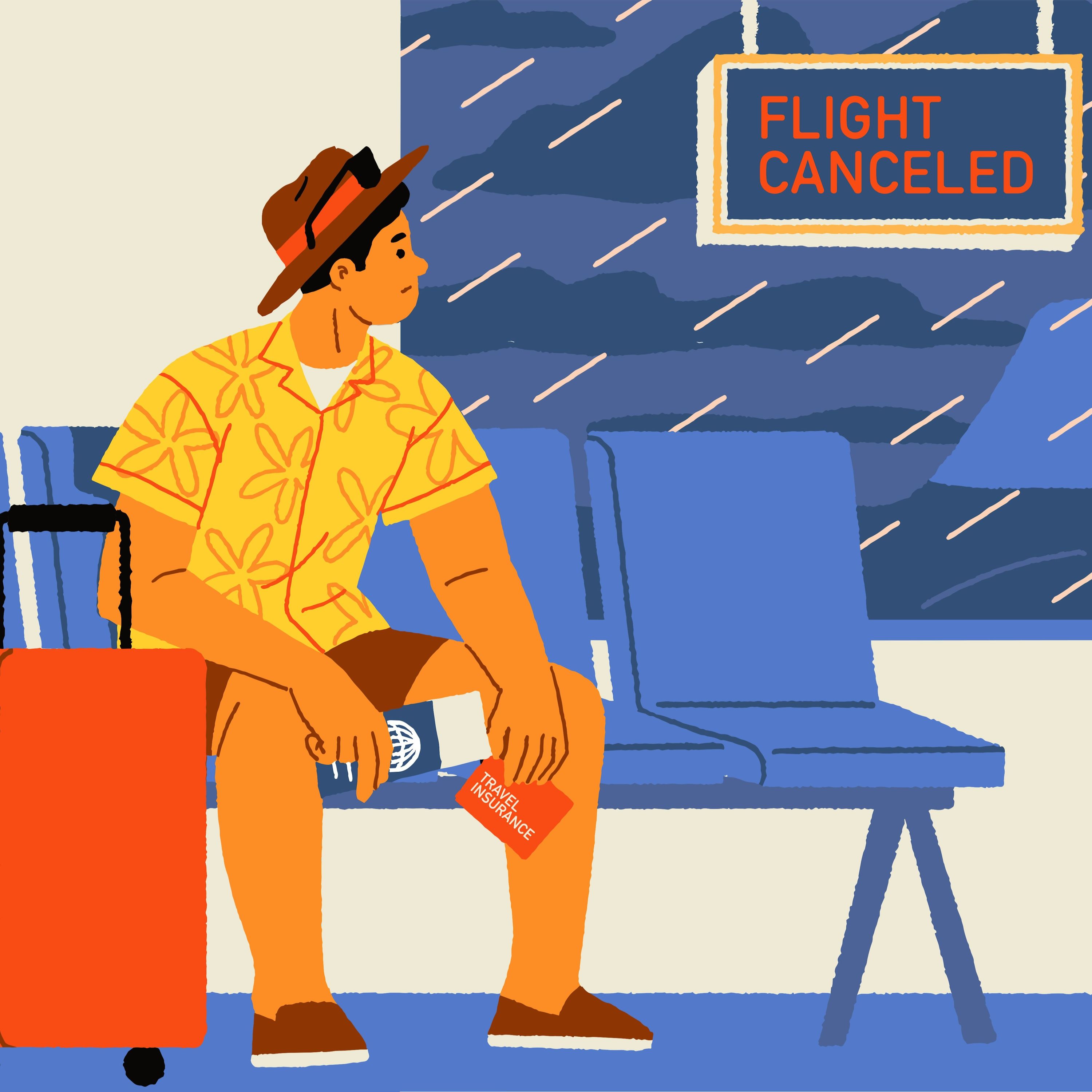
Leaders often face analysis paralysis, striving for the perfect choice. This mindset suggests that making a suboptimal decision and adapting is superior to making no decision at all, as inaction stalls momentum and creates uncertainty for the team.

When facing a tough choice, people often frame it as "do X or not." A better framework is to define the specific, concrete alternative (e.g., "send kid to daycare or hire a nanny" vs. "or quit my job"). This clarifies the true trade-offs involved.

Companies believe providing information or motivation drives change. However, the brain assesses safety and cost first. Resistance to change is often a nervous system's threat response, not a failure of understanding or buy-in, making traditional change management ineffective.

The psychological discomfort of uncertainty, especially under stress like fatigue, pushes us to make *any* decision, even a bad one, just to escape the feeling. The desire for relief can override the need for the right answer, leading to costly mistakes.

Economist Frank Knight's framework distinguishes risk (known probabilities) from uncertainty (unknowns). Today's business environment is filled with uncertainty, which triggers a natural fear and a 'freeze' response in leaders. Recognizing this distinction is the first step to acting despite incomplete information.
Humans are biased to overestimate downside and underestimate upside because our ancestors' survival depended on it. The cautious survived, passing on pessimistic genes. In the modern world, where most risks are not fatal, this cognitive bias prevents us from pursuing opportunities where the true upside is in the unknown.
