Get your free personalized podcast brief
We scan new podcasts and send you the top 5 insights daily.
Freud's "Civilization and Its Discontents" highlights a crucial trade-off: we gained safety but suppressed our primitive nature. This suppression leads to modern issues like obesity and dopamine addiction. To find happiness and "flow," we must reconnect with primitive activities like farming or camping.

Related Insights
The human brain is wired to fear scarcity and solve problems. When technology and capitalism fulfill most basic needs, this problem-solving instinct doesn't disappear. It latches onto more abstract, often social or political, issues, fueling neurosis and creating a population that externalizes its anxieties onto the world.

Despite gains in affluence and safety, modern life has led to increased depression and loneliness. Humans thrive on hardship and the feeling of being essential to their "tribe." The isolation of modern society strips away this sense of necessity, a core human need for fulfillment.

Western culture promotes a "left-shifted" brain state, prioritizing productivity and survival (left hemisphere). This state of constant sympathetic activation disconnects us from our bodies, emotions, and relational capacity (right hemisphere), directly causing our modern epidemic of loneliness.

Existential angst is a luxury problem. A century ago, life's purpose was clear: survive. The comfort and freedom of modern life have removed physical struggles but introduced complex psychological ones, like finding meaning and identity, which are a hidden cost of progress.

Many of today's health and behavioral problems are caused by the "mismatch hypothesis." Our brains evolved for a world of scarcity and danger, which is maladaptive in our current environment of abundance and relative safety, leading to issues like obesity and anxiety.

Psychiatrist Anna Lemke links rising rates of depression and anxiety in the world's richest nations to the overstimulation of our dopamine pathways. Constant access to high-pleasure foods, entertainment, and products creates a chronic dopamine deficit state, leaving people unhappier, more irritable, and unable to enjoy simple pleasures.
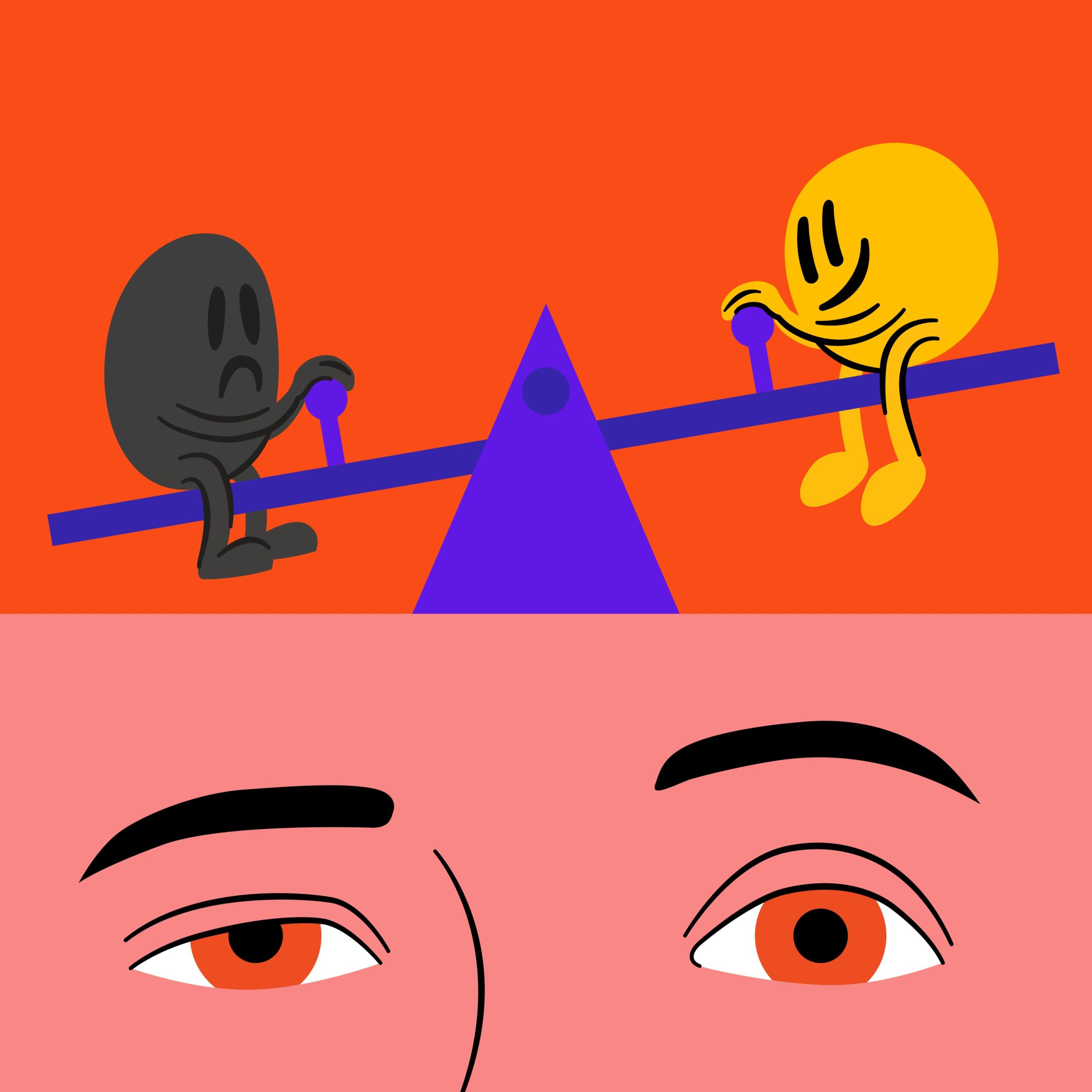
Modern scheduled life is an anomaly. Humans evolved for a rhythm where actions are directly tied to immediate needs like finding food or shelter. This direct feedback loop creates a profound sense of purpose and joy that is hard to replicate in abstract, modern work, where cause and effect are often disconnected.

For millennia, human innovation like agriculture and shelter was driven by stress reduction. This endeavor was so successful that it created the modern "comfort crisis." We have eliminated natural stressors so effectively that we must now artificially re-engineer challenges like exercise back into our lives to maintain physiological health.

Our constant access to luxury goods, leisure time, and reinforcing substances is a new type of stress. Our brains, which evolved for a world of scarcity, are not equipped to handle this overabundance, leading to compulsive overconsumption and addiction.

Mother Nature wired us for survival and procreation, not contentment. This creates primal urges for money, power, and pleasure that we mistakenly believe will lead to happiness. Achieving well-being requires consciously choosing higher aspirations over these misleading animal instincts.