Get your free personalized podcast brief
We scan new podcasts and send you the top 5 insights daily.
Despite gains in affluence and safety, modern life has led to increased depression and loneliness. Humans thrive on hardship and the feeling of being essential to their "tribe." The isolation of modern society strips away this sense of necessity, a core human need for fulfillment.

Related Insights
The human brain is wired to fear scarcity and solve problems. When technology and capitalism fulfill most basic needs, this problem-solving instinct doesn't disappear. It latches onto more abstract, often social or political, issues, fueling neurosis and creating a population that externalizes its anxieties onto the world.

Achieving time and financial freedom doesn't automatically lead to fulfillment. Instead, it often creates an existential vacuum, leading to anxiety and depression. The key is to proactively fill this void with learning and service, rather than assuming leisure alone is the goal.

Western culture promotes a "left-shifted" brain state, prioritizing productivity and survival (left hemisphere). This state of constant sympathetic activation disconnects us from our bodies, emotions, and relational capacity (right hemisphere), directly causing our modern epidemic of loneliness.

People feel lonely because they fill their finite capacity for social connection (Dunbar's number) with one-sided parasocial relationships from social media. These connections occupy mental "slots" for real friends, leading to a feeling of social emptiness in the real world.

Society rewards hyper-independence, but it's often a coping mechanism to avoid relational vulnerability. This external validation creates a vicious cycle, leading to external success but profound internal disconnection and loneliness, as the behavior is both protective and culturally applauded.
Existential angst is a luxury problem. A century ago, life's purpose was clear: survive. The comfort and freedom of modern life have removed physical struggles but introduced complex psychological ones, like finding meaning and identity, which are a hidden cost of progress.

We spend more time alone due to structural factors and technology that enable avoiding interaction. This 'interiority' is a self-reinforcing cycle: as we interact less, our social skills can atrophy and social inertia sets in, making it progressively more difficult and energy-intensive to re-engage with others.

Our brains evolved to equate social isolation with a mortal threat, triggering a physiological stress response. This elevates cortisol and causes chronic inflammation, leading to severe health consequences, with studies showing isolated individuals are 32% more likely to die from any cause.
Psychiatrist Anna Lemke links rising rates of depression and anxiety in the world's richest nations to the overstimulation of our dopamine pathways. Constant access to high-pleasure foods, entertainment, and products creates a chronic dopamine deficit state, leaving people unhappier, more irritable, and unable to enjoy simple pleasures.
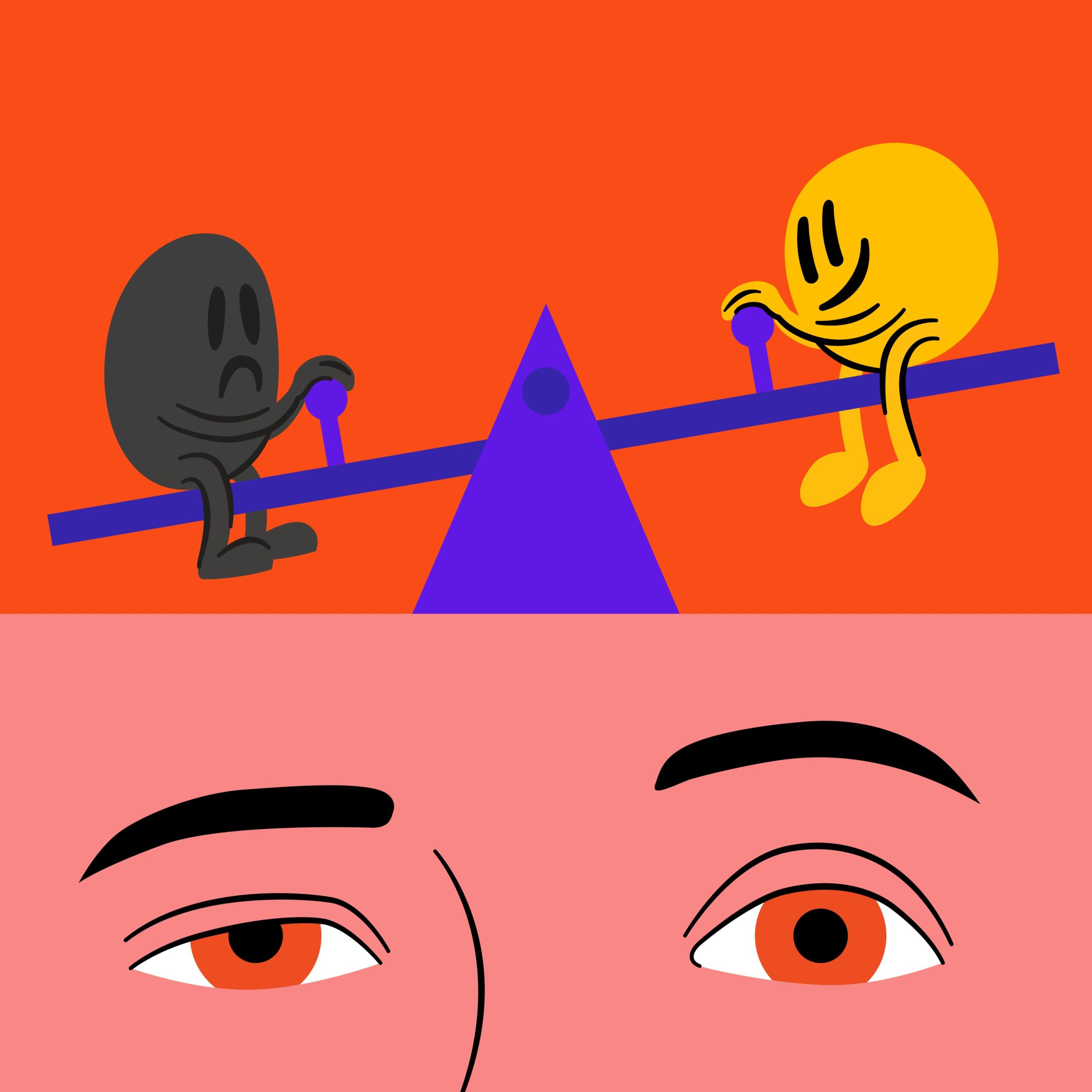
Unprecedented global prosperity creates a vacuum of real adversity, leading people to invent anxieties and fixate on trivial problems. Lacking the perspective from genuine struggle, many complain about first-world issues while ignoring their immense privilege, leading to a state where things are 'so good, it's bad.'
