Get your free personalized podcast brief
We scan new podcasts and send you the top 5 insights daily.
For millennia, human innovation like agriculture and shelter was driven by stress reduction. This endeavor was so successful that it created the modern "comfort crisis." We have eliminated natural stressors so effectively that we must now artificially re-engineer challenges like exercise back into our lives to maintain physiological health.

Related Insights
Focusing directly on increasing happiness or reducing stress is misguided. These feelings are natural byproducts of practicing core wellness behaviors like exercise, social connection, and maintaining a sense of purpose.
Life operates on a finite energy budget divided between vital functions, stress responses, and growth/maintenance/repair (GMR). Energy allocated to stress is directly diverted from GMR, meaning chronic stress actively prevents your body from healing, repairing, and growing.

The jarring transition from a high-stress state to a relaxed one can be so uncomfortable that people subconsciously choose to remain in a state of low-grade, constant stress. This psychological principle, "contrast avoidance theory," explains why it feels so difficult to switch off. Recognizing this discomfort as a temporary transitional phase is key to breaking the cycle.

Ambitious professionals often apply a maximization mindset to fitness, leading to overtraining. This approach turns exercise, a tool meant for rejuvenation, into another source of fatigue. Instead of relieving stress, it compounds it, making them feel worn out rather than energized.

Existential angst is a luxury problem. A century ago, life's purpose was clear: survive. The comfort and freedom of modern life have removed physical struggles but introduced complex psychological ones, like finding meaning and identity, which are a hidden cost of progress.

Counterintuitively, the brain's most relaxed state is not during passive rest but during intense focus on a single activity. Engaging in challenging hobbies that require full concentration is a more effective way to decompress and manage stress than traditional relaxation.

Psychiatrist Anna Lemke links rising rates of depression and anxiety in the world's richest nations to the overstimulation of our dopamine pathways. Constant access to high-pleasure foods, entertainment, and products creates a chronic dopamine deficit state, leaving people unhappier, more irritable, and unable to enjoy simple pleasures.
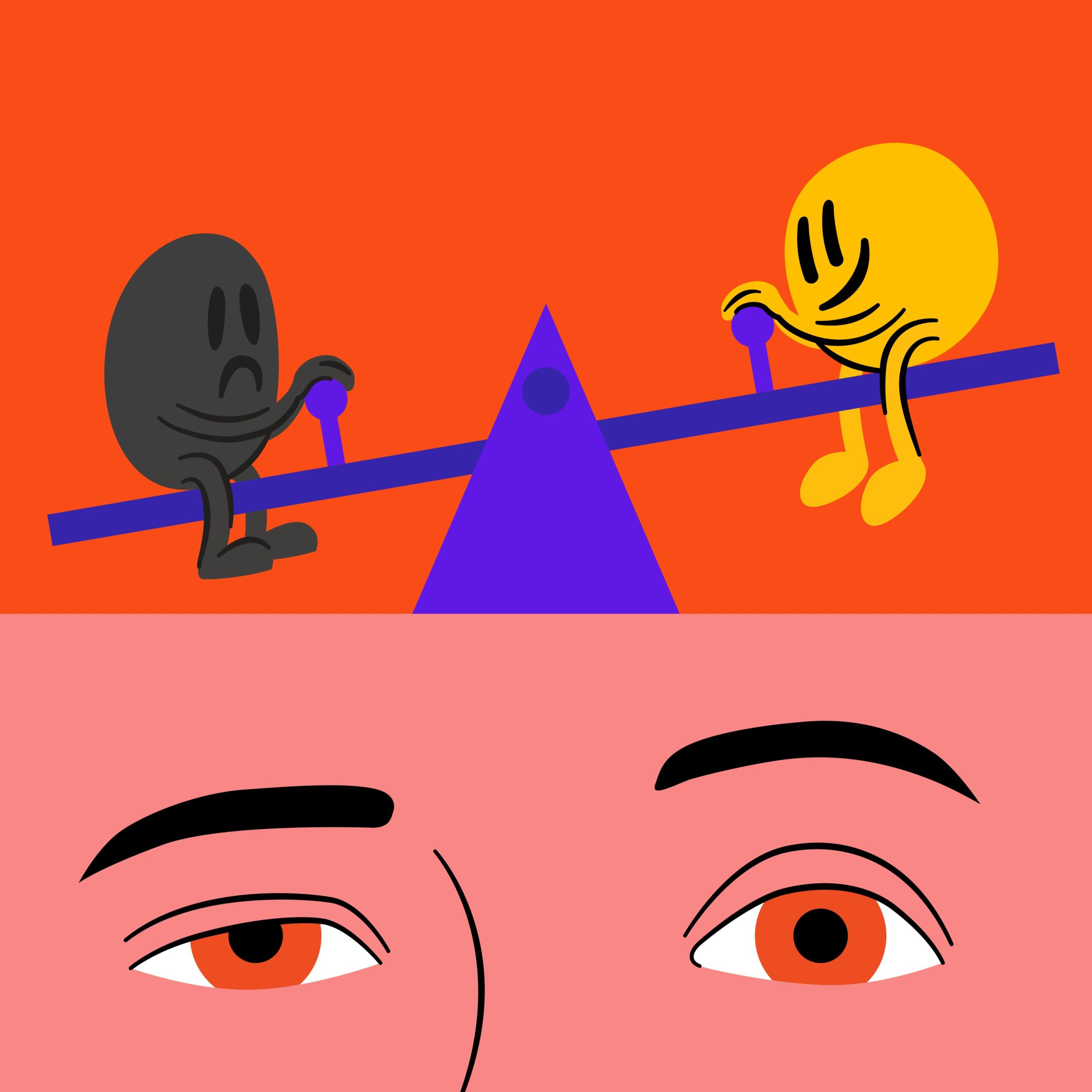
A truly happy life doesn't mean avoiding all pain. Certain forms of stress and suffering, like difficult exercise, are integral to achieving deeper well-being. By providing contrast and building resilience, these negative experiences can increase one's total happiness over the long term.
Our constant access to luxury goods, leisure time, and reinforcing substances is a new type of stress. Our brains, which evolved for a world of scarcity, are not equipped to handle this overabundance, leading to compulsive overconsumption and addiction.

The cultural aspiration to "do nothing" in retirement is a fallacy. Successful, long-lived individuals remain busy and active. Embracing a lifestyle of convenience and inactivity is a cultural lag that works against health and longevity goals.
