Get your free personalized podcast brief
We scan new podcasts and send you the top 5 insights daily.
The human brain is wired to fear scarcity and solve problems. When technology and capitalism fulfill most basic needs, this problem-solving instinct doesn't disappear. It latches onto more abstract, often social or political, issues, fueling neurosis and creating a population that externalizes its anxieties onto the world.

Related Insights
Achieving time and financial freedom doesn't automatically lead to fulfillment. Instead, it often creates an existential vacuum, leading to anxiety and depression. The key is to proactively fill this void with learning and service, rather than assuming leisure alone is the goal.

Western culture's focus on hyper-individualism leads people to feel personally responsible for solving massive, systemic issues. This creates immense pressure and an illogical belief that one must find a perfect, individual solution to a problem that requires a collective response.

Western culture promotes a "left-shifted" brain state, prioritizing productivity and survival (left hemisphere). This state of constant sympathetic activation disconnects us from our bodies, emotions, and relational capacity (right hemisphere), directly causing our modern epidemic of loneliness.

Young people face a dual crisis: economic hardship and a psychological barrage from social media's curated success. This creates a "shame economy," where constant notifications of others' fake wealth intensify feelings of failure, loneliness, and anxiety more than any other societal factor.

While AI promises an "age of abundance," Professor Russell has asked hundreds of experts—from AI researchers to economists and sci-fi writers—to describe what a fulfilling human life looks like with no work. No one can. This failure of imagination suggests the real challenge isn't economic but a profound crisis of purpose, meaning, and human identity.

Psychiatrist Anna Lemke links rising rates of depression and anxiety in the world's richest nations to the overstimulation of our dopamine pathways. Constant access to high-pleasure foods, entertainment, and products creates a chronic dopamine deficit state, leaving people unhappier, more irritable, and unable to enjoy simple pleasures.
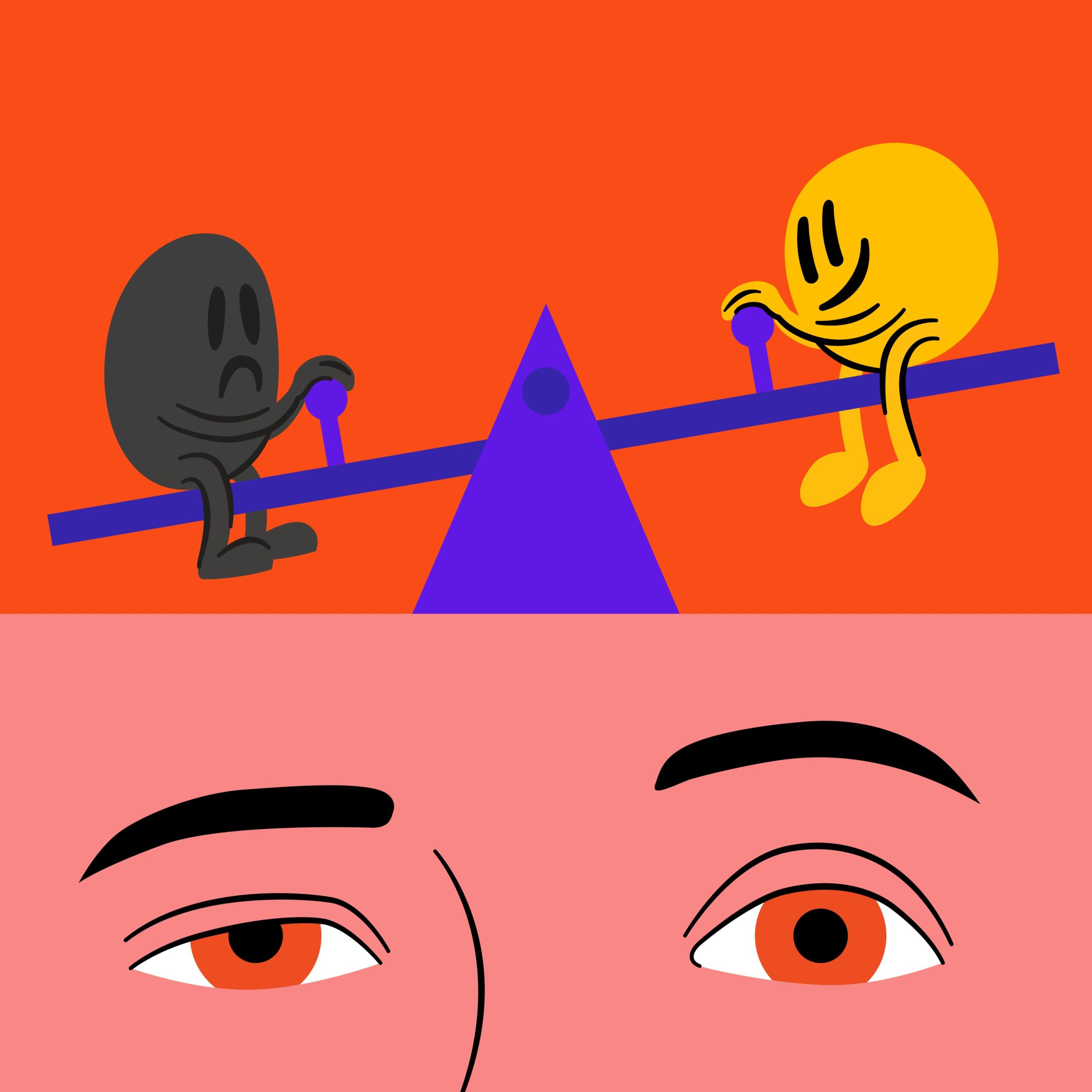
Unprecedented global prosperity creates a vacuum of real adversity, leading people to invent anxieties and fixate on trivial problems. Lacking the perspective from genuine struggle, many complain about first-world issues while ignoring their immense privilege, leading to a state where things are 'so good, it's bad.'

Modern advertising weaponizes fear to generate sales. By creating or amplifying insecurities about health, social status, or safety, companies manufacture a problem that their product can conveniently solve, contributing to a baseline level of societal anxiety for commercial gain.

Mother Nature wired us for survival and procreation, not contentment. This creates primal urges for money, power, and pleasure that we mistakenly believe will lead to happiness. Achieving well-being requires consciously choosing higher aspirations over these misleading animal instincts.
Modern capitalism profitably hacks primitive human drives (e.g., junk food, social media), redirecting them away from natural behaviors like reproduction. This cultural trajectory could be an evolutionary dead-end, where the system selects against its own continuation by fostering sterility, paving the way for its replacement by a different culture.