Get your free personalized podcast brief
We scan new podcasts and send you the top 5 insights daily.
Many of today's health and behavioral problems are caused by the "mismatch hypothesis." Our brains evolved for a world of scarcity and danger, which is maladaptive in our current environment of abundance and relative safety, leading to issues like obesity and anxiety.

Related Insights
The human brain is wired to fear scarcity and solve problems. When technology and capitalism fulfill most basic needs, this problem-solving instinct doesn't disappear. It latches onto more abstract, often social or political, issues, fueling neurosis and creating a population that externalizes its anxieties onto the world.

Existential angst is a luxury problem. A century ago, life's purpose was clear: survive. The comfort and freedom of modern life have removed physical struggles but introduced complex psychological ones, like finding meaning and identity, which are a hidden cost of progress.

Our ancestors were healthy by default because their environment promoted it. Today, the default environment—filled with processed foods, sedentary lifestyles, and novel chemicals—systematically produces unhealthy people, making good health an uphill battle of individual effort against the system.

Our brains evolved for a world where change was a sudden threat. Modern work, with its constant, complex changes, creates a fundamental mismatch that causes stress. This explains why we instinctively register change as a danger, a holdover from our hunter-gatherer past.

Psychiatrist Anna Lemke links rising rates of depression and anxiety in the world's richest nations to the overstimulation of our dopamine pathways. Constant access to high-pleasure foods, entertainment, and products creates a chronic dopamine deficit state, leaving people unhappier, more irritable, and unable to enjoy simple pleasures.
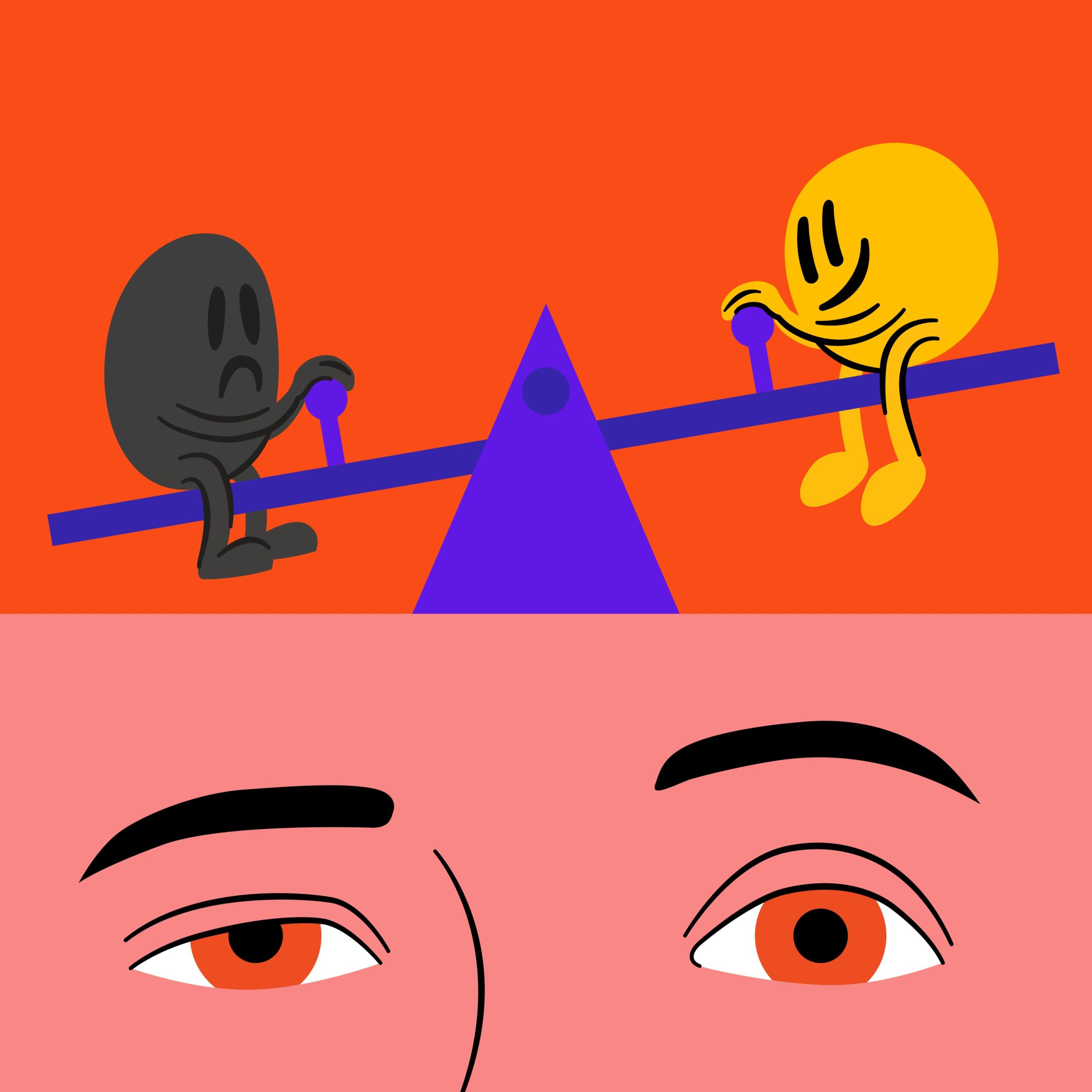
For millennia, human innovation like agriculture and shelter was driven by stress reduction. This endeavor was so successful that it created the modern "comfort crisis." We have eliminated natural stressors so effectively that we must now artificially re-engineer challenges like exercise back into our lives to maintain physiological health.

Unprecedented global prosperity creates a vacuum of real adversity, leading people to invent anxieties and fixate on trivial problems. Lacking the perspective from genuine struggle, many complain about first-world issues while ignoring their immense privilege, leading to a state where things are 'so good, it's bad.'

Our constant access to luxury goods, leisure time, and reinforcing substances is a new type of stress. Our brains, which evolved for a world of scarcity, are not equipped to handle this overabundance, leading to compulsive overconsumption and addiction.

The prevailing view treats obesity as a metabolic disorder. However, the brain is the ultimate conductor, controlling appetite and cravings. This suggests conditions like obesity are rooted in the brain's circuits that process reward and internal states, making it a neurological issue, not just a physiological one.

The popular assumption that the brain is optimized solely for survival and reproduction is an overly simplistic narrative. In the modern world, the brain's functions are far more complex, and clinging to this outdated model can limit our understanding of its capabilities and our own behavior.