Get your free personalized podcast brief
We scan new podcasts and send you the top 5 insights daily.
Psychiatrist Anna Lemke links rising rates of depression and anxiety in the world's richest nations to the overstimulation of our dopamine pathways. Constant access to high-pleasure foods, entertainment, and products creates a chronic dopamine deficit state, leaving people unhappier, more irritable, and unable to enjoy simple pleasures.
Related Insights
fMRI studies show the brain's pleasure centers activate when consuming high-status products, releasing dopamine. This proves the pursuit of status is a measurable biological function, not a sign of vanity. Critiquing it as a moral flaw is as misguided as the Victorian-era demand for chastity.

Anxiety often isn't a brain chemistry issue but a physical stress response. A blood sugar crash or caffeine can trigger a physiological state of emergency, and the mind then invents a psychological narrative (like work stress) to explain the physical sensation.
Modern society turns normal behaviors like eating or gaming into potent drugs by manipulating four factors: making them infinitely available (quantity/access), more intense (potency), and constantly new (novelty). This framework explains how behavioral addictions are engineered, hijacking the brain’s reward pathways just like chemical substances.
Achieving time and financial freedom doesn't automatically lead to fulfillment. Instead, it often creates an existential vacuum, leading to anxiety and depression. The key is to proactively fill this void with learning and service, rather than assuming leisure alone is the goal.

Young people face a dual crisis: economic hardship and a psychological barrage from social media's curated success. This creates a "shame economy," where constant notifications of others' fake wealth intensify feelings of failure, loneliness, and anxiety more than any other societal factor.
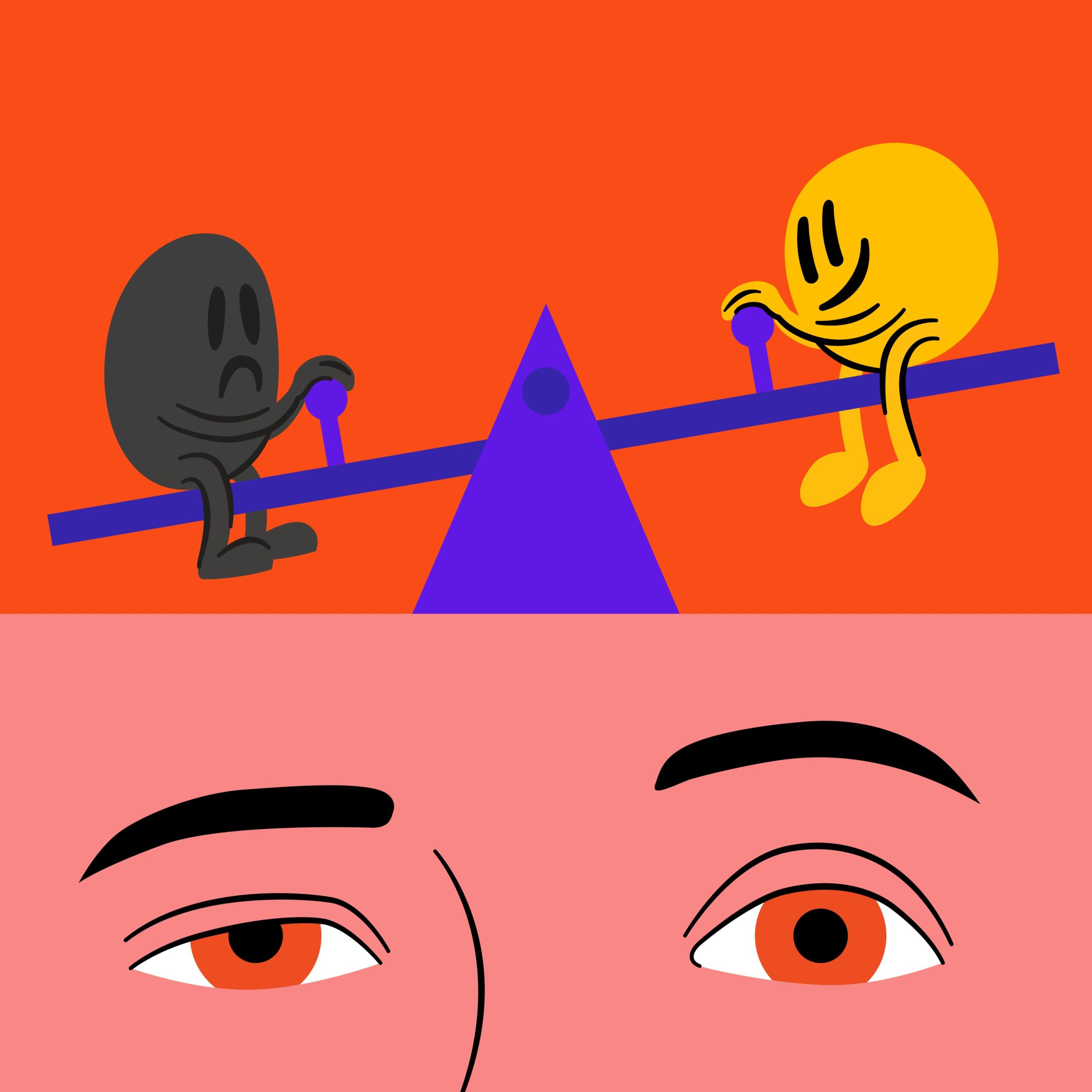
Neuroscience shows pleasure and pain are co-located in the brain and work like a seesaw. When we experience pleasure, the brain immediately compensates by tilting towards pain to restore balance. This neurological 'come down' is why constant pleasure-seeking eventually leads to a state of chronic pain and craving.
Dopamine is often misunderstood as a 'pleasure molecule.' Its more crucial role is in motivation—the drive to seek a reward. Experiments show rats without dopamine receptors enjoy food but won't move to get it, starving to death. This seeking behavior is often triggered by the brain's craving to escape a dopamine deficit state.
Over the same decades that children's independent play has declined, rates of youth anxiety and depression have steadily risen. Unsupervised play is crucial for developing an "internal locus of control," which allows kids to learn they can handle life’s challenges and builds resilience.

Unprecedented global prosperity creates a vacuum of real adversity, leading people to invent anxieties and fixate on trivial problems. Lacking the perspective from genuine struggle, many complain about first-world issues while ignoring their immense privilege, leading to a state where things are 'so good, it's bad.'

Constantly bombarding our reward pathways causes the brain to permanently weigh down the 'pain' side of its pleasure-pain balance. This alters our baseline mood, or 'hedonic set point,' meaning we eventually need our substance or behavior not to get high, but simply to escape a state of withdrawal and feel normal.