Get your free personalized podcast brief
We scan new podcasts and send you the top 5 insights daily.
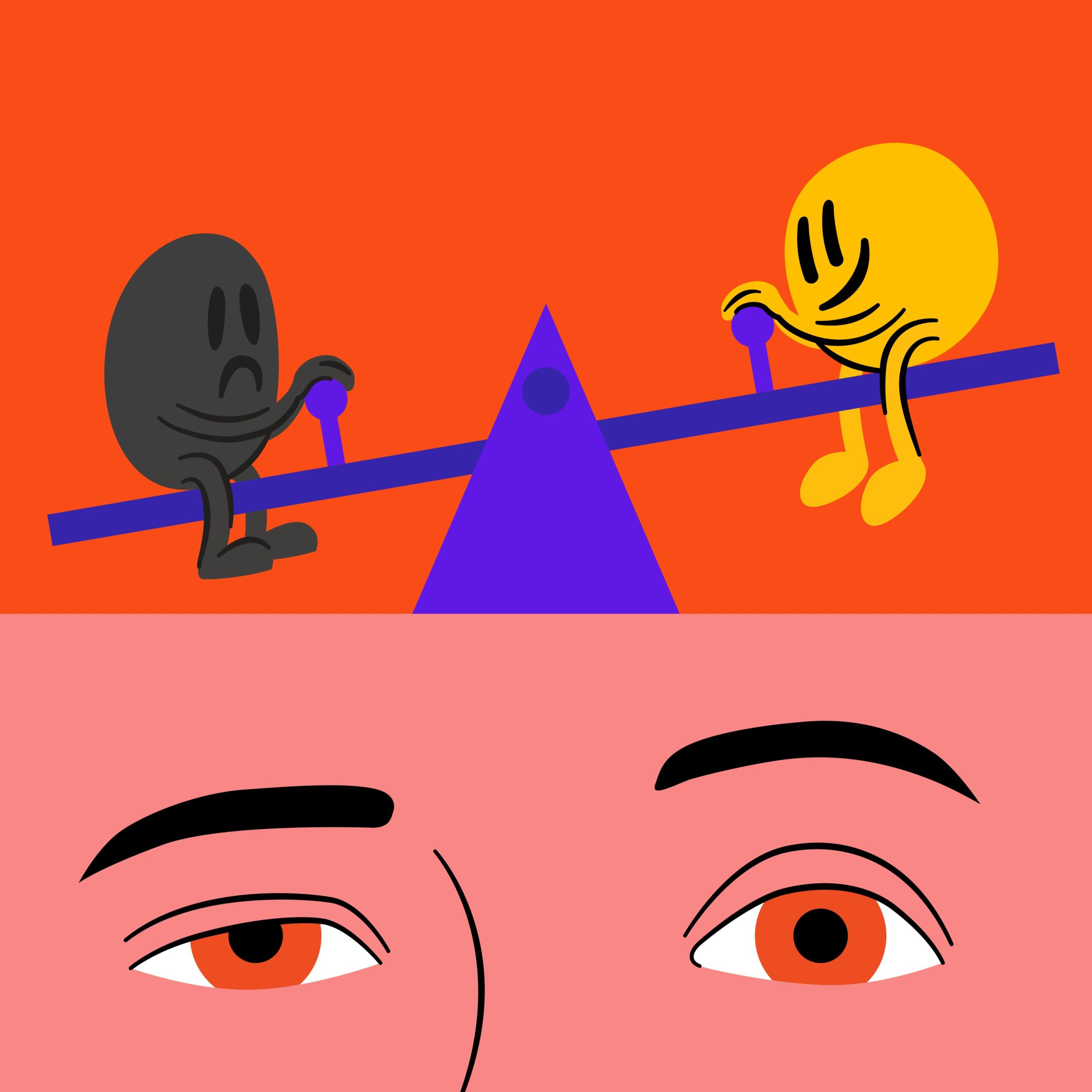
Western culture promotes a "left-shifted" brain state, prioritizing productivity and survival (left hemisphere). This state of constant sympathetic activation disconnects us from our bodies, emotions, and relational capacity (right hemisphere), directly causing our modern epidemic of loneliness.

Related Insights
Beyond economic disruption, AI's most immediate danger is social. By providing synthetic relationships and on-demand companionship, AI companies have an economic incentive to evolve an “asocial species of young male.” This could lead to a generation sequestered from society, unwilling to engage in the effort of real-world relationships.

Society rewards hyper-independence, but it's often a coping mechanism to avoid relational vulnerability. This external validation creates a vicious cycle, leading to external success but profound internal disconnection and loneliness, as the behavior is both protective and culturally applauded.
Face-to-face contact provides a rich stream of non-verbal cues (tone, expression, body language) that our brains use to build empathy. Digital platforms strip these away, impairing our ability to connect, understand others' emotions, and potentially fostering undue hostility and aggression online.

We spend more time alone due to structural factors and technology that enable avoiding interaction. This 'interiority' is a self-reinforcing cycle: as we interact less, our social skills can atrophy and social inertia sets in, making it progressively more difficult and energy-intensive to re-engage with others.
Our brains evolved to equate social isolation with a mortal threat, triggering a physiological stress response. This elevates cortisol and causes chronic inflammation, leading to severe health consequences, with studies showing isolated individuals are 32% more likely to die from any cause.
Psychiatrist Anna Lemke links rising rates of depression and anxiety in the world's richest nations to the overstimulation of our dopamine pathways. Constant access to high-pleasure foods, entertainment, and products creates a chronic dopamine deficit state, leaving people unhappier, more irritable, and unable to enjoy simple pleasures.
The core business model of dominant tech and AI companies is not just about engagement; it's about monetizing division and isolation. Trillions in shareholder value are now directly tied to separating young people from each other and their families, creating an "asocial, asexual youth," which is an existential threat.
A socially satisfying life requires solitude, but the quality of that solitude depends on social interaction. Research shows people feel more content when alone *after* positive social experiences. Connection replenishes us in a way that transforms solitude from a state of loneliness into one of restorative contentment.
A cognitive bias causes us to consistently underestimate how much we will enjoy a social interaction. This flawed prediction leads to choosing isolation (e.g., a night on the couch) over connection, even when socializing would be significantly better for our brain health and well-being.
Mother Nature wired us for survival and procreation, not contentment. This creates primal urges for money, power, and pleasure that we mistakenly believe will lead to happiness. Achieving well-being requires consciously choosing higher aspirations over these misleading animal instincts.