Get your free personalized podcast brief
We scan new podcasts and send you the top 5 insights daily.
Our constant access to luxury goods, leisure time, and reinforcing substances is a new type of stress. Our brains, which evolved for a world of scarcity, are not equipped to handle this overabundance, leading to compulsive overconsumption and addiction.

Related Insights
Technology exposes us to limitless possibilities—from parenting styles to body modifications. This creates a pervasive insecurity and a 'rabid delusion of endless craving.' The constant awareness of what others are doing or have drives a pathological need to keep up, leading to profound consumerism and dissatisfaction.

The human brain is wired to fear scarcity and solve problems. When technology and capitalism fulfill most basic needs, this problem-solving instinct doesn't disappear. It latches onto more abstract, often social or political, issues, fueling neurosis and creating a population that externalizes its anxieties onto the world.

Humans evolved to have different "drugs of choice" as a survival mechanism. If everyone sought the same rewards, groups would quickly deplete a single resource. This once-adaptive trait now makes us vulnerable to a wide array of modern, hyper-stimulating temptations.

Modern society turns normal behaviors like eating or gaming into potent drugs by manipulating four factors: making them infinitely available (quantity/access), more intense (potency), and constantly new (novelty). This framework explains how behavioral addictions are engineered, hijacking the brain’s reward pathways just like chemical substances.
Existential angst is a luxury problem. A century ago, life's purpose was clear: survive. The comfort and freedom of modern life have removed physical struggles but introduced complex psychological ones, like finding meaning and identity, which are a hidden cost of progress.
Therapists now compare compulsive online shopping to gambling, where the addiction is to the action of purchasing, not the items. Symptoms include hiding parcels, not knowing what you've ordered, or immediately discarding items upon arrival because the product itself was never the goal, only the thrill of the transaction.

An animal study shows a rat, when painfully shocked, will immediately try to get cocaine again even after the habit was extinguished. This models how humans under stress revert to high-dopamine rewards because the brain has encoded this as the fastest way out of any painful state.
Psychiatrist Anna Lemke links rising rates of depression and anxiety in the world's richest nations to the overstimulation of our dopamine pathways. Constant access to high-pleasure foods, entertainment, and products creates a chronic dopamine deficit state, leaving people unhappier, more irritable, and unable to enjoy simple pleasures.
Unprecedented global prosperity creates a vacuum of real adversity, leading people to invent anxieties and fixate on trivial problems. Lacking the perspective from genuine struggle, many complain about first-world issues while ignoring their immense privilege, leading to a state where things are 'so good, it's bad.'

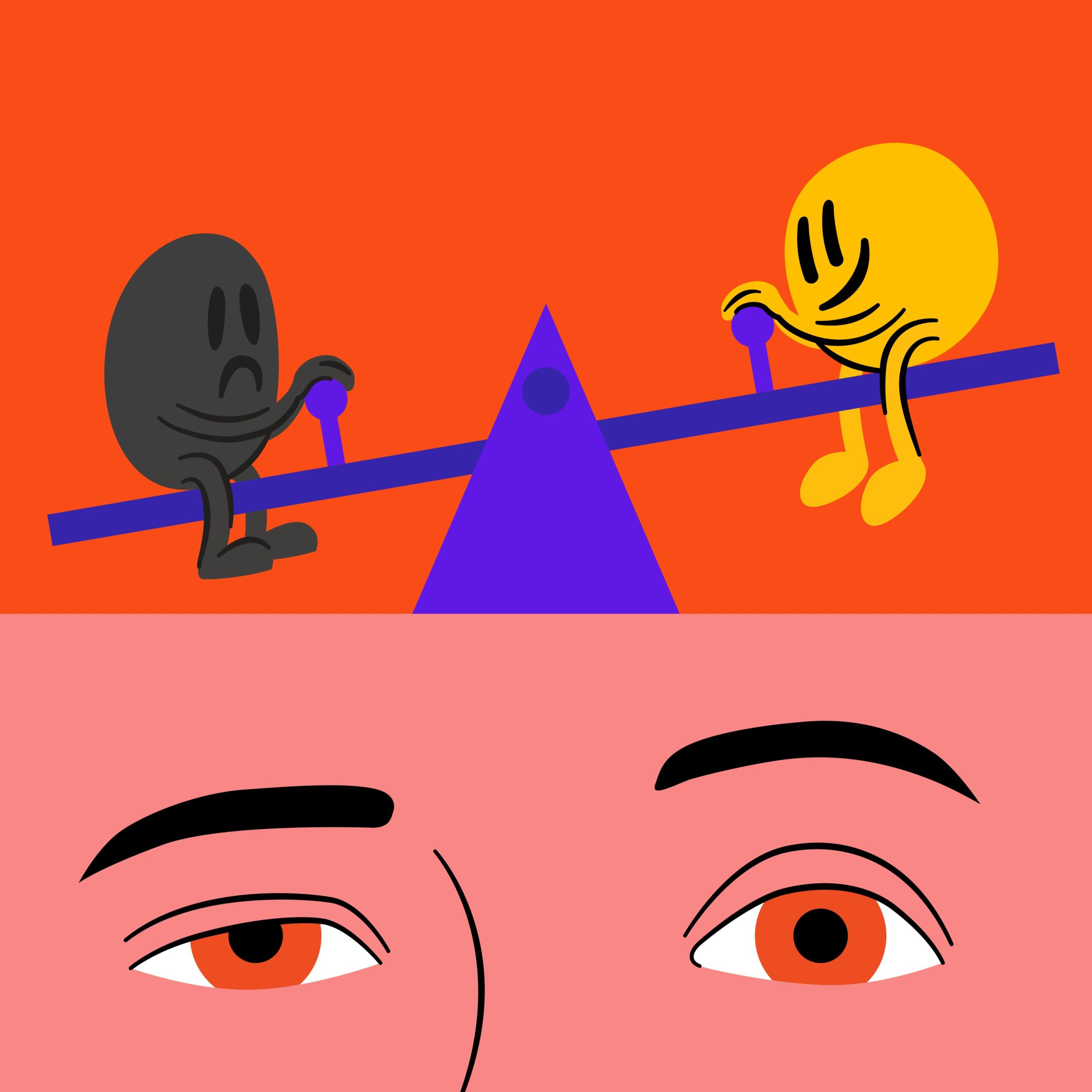
Constantly bombarding our reward pathways causes the brain to permanently weigh down the 'pain' side of its pleasure-pain balance. This alters our baseline mood, or 'hedonic set point,' meaning we eventually need our substance or behavior not to get high, but simply to escape a state of withdrawal and feel normal.