Get your free personalized podcast brief
We scan new podcasts and send you the top 5 insights daily.
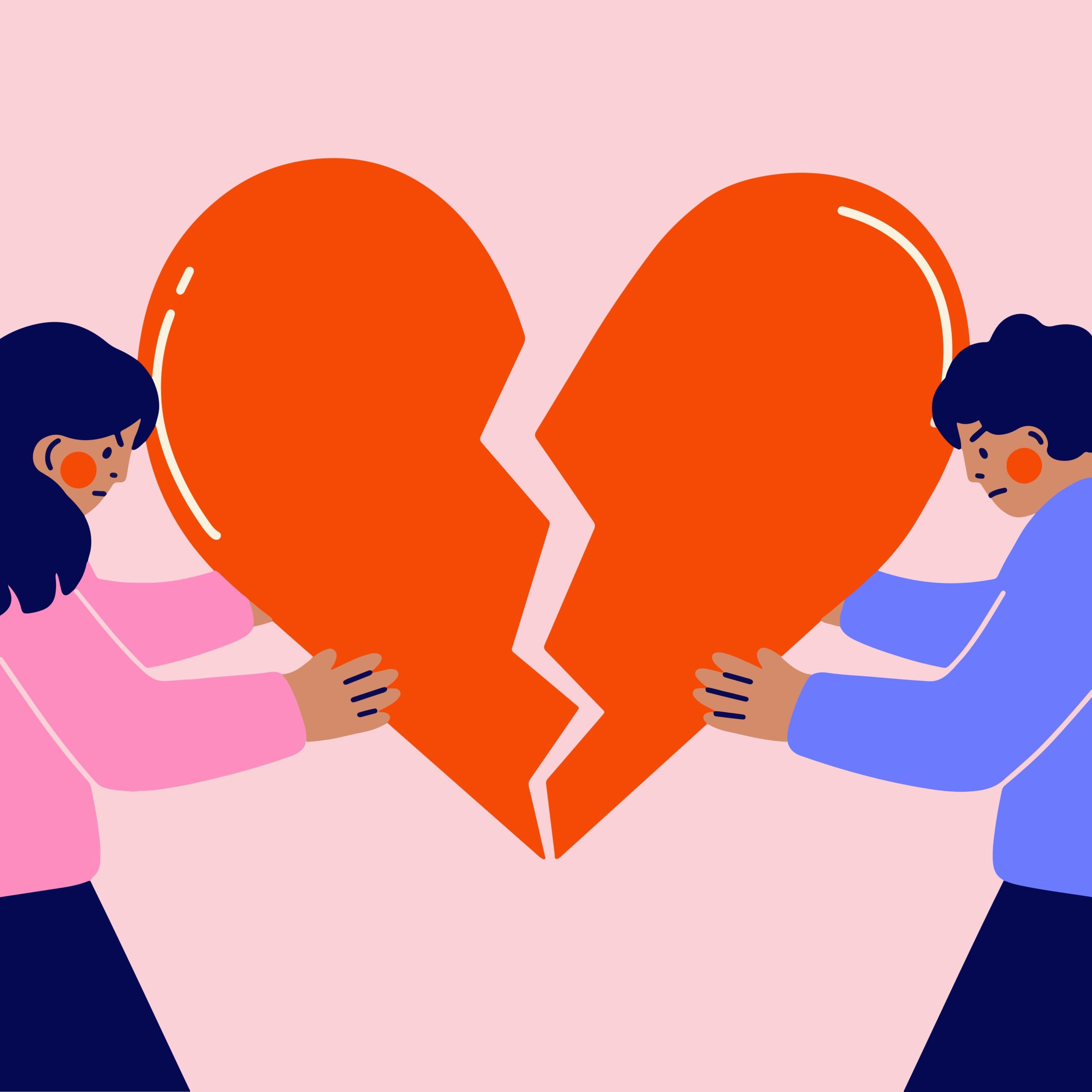
People cite specific events like affairs or fights as the reason for divorce. However, the root cause is a gradual loss of the shared story and purpose that once united them. The triggering event is merely the final chapter, not the whole story of the decline.

Related Insights
Couples often won't change unless they're in a crisis because comfort breeds inertia. A counterintuitive therapeutic technique is to intentionally apply pressure to "put them in crisis," forcing the couple out of their comfort zone to confront issues and make necessary changes.

People spot small relationship issues but avoid addressing them because the immediate conversation is uncomfortable. This cognitive bias, where aversion to short-term pain outweighs the desire for long-term health, is the single biggest reason relationships fail.
Catastrophic relationship failures are rarely caused by a single event. Instead, they are the result of hundreds of small moments where a minor conflict could have been repaired with validation or an apology, but wasn't. The accumulation of these unrepaired moments erodes the relationship's foundation over time.

A breakup isn't just the loss of a person; it's the death of a unique 'microculture' built for two. This shared world of inside jokes, special rituals, and private language is a core part of a couple's bond. Its sudden disappearance is a profound and devastating component of the heartbreak that follows a split.

Couples make two fatal, opposing assumptions. First, that marriage will fix a partner's existing flaws. Second, that the person they marry will not fundamentally change over decades. A successful marriage requires accepting current flaws while preparing to grow alongside an evolving partner.

Most couples view therapy as a last resort. A more effective approach is to engage in it proactively at the beginning of a relationship to establish tools for clear communication and ensure value alignment, preparing the couple to handle future challenges constructively.

The success of a long-term relationship is better predicted by how partners handle conflict and disagreement than by how much they enjoy good times together. People are more likely to break up due to poor conflict resolution than a lack of peak experiences.
With a 56-76% failure rate, marriage should be analyzed like any failing technology, not blindly adopted as tradition. Questioning "why" you are getting married is a critical first step that modern culture wrongly deems rude and off-limits.
The most common reason high-achievers face divorce is their partner feeling deprioritized. This "slippage" isn't a single event but a series of small, unintentional disconnections that accumulate over time, much like individual raindrops causing a flood.
Couples in conflict often appear to be poor communicators. However, studies show these same individuals communicate effectively with strangers. The issue isn't a skill deficit, but a toxic emotional environment within the relationship that inhibits their willingness to collaborate.