Get your free personalized podcast brief
We scan new podcasts and send you the top 5 insights daily.
Couples often won't change unless they're in a crisis because comfort breeds inertia. A counterintuitive therapeutic technique is to intentionally apply pressure to "put them in crisis," forcing the couple out of their comfort zone to confront issues and make necessary changes.

Related Insights
Effective coaching requires a two-step process. First, directly confront an individual's flaws ('poke the zit'). Then, immediately reframe their negative self-perception by explaining they are 'hurt,' not broken. This prevents them from spiraling into self-loathing and opens them to change, turning a harsh truth into a constructive catalyst.

For partners hesitant about therapy, perhaps due to cultural stigma, starting with couples sessions can create a bridge. It provides a safe, shared space that can demystify the process, making them more open to pursuing individual work on their own.

Psychologist James Cordova describes the "paradox of acceptance": the less you actively try to change your partner, the more willing they become to change. This requires genuine surrender, as feigning acceptance with the ulterior motive of instigating change is transparent and ineffective.

During a shared trauma, couples often fail to communicate, leading to resentment. The solution isn't to pretend everything is okay, but to have the courage to state the problem bluntly (e.g., "This is a disaster... I don't like you right now"). This directness breaks the stalemate and forces open communication.

By framing a perpetual issue as an external, inanimate pattern (e.g., a 'spender-saver' dynamic), partners can stop blaming each other. This shifts the focus from personal failings to a shared problem they can address collaboratively, fostering connection instead of disconnection.
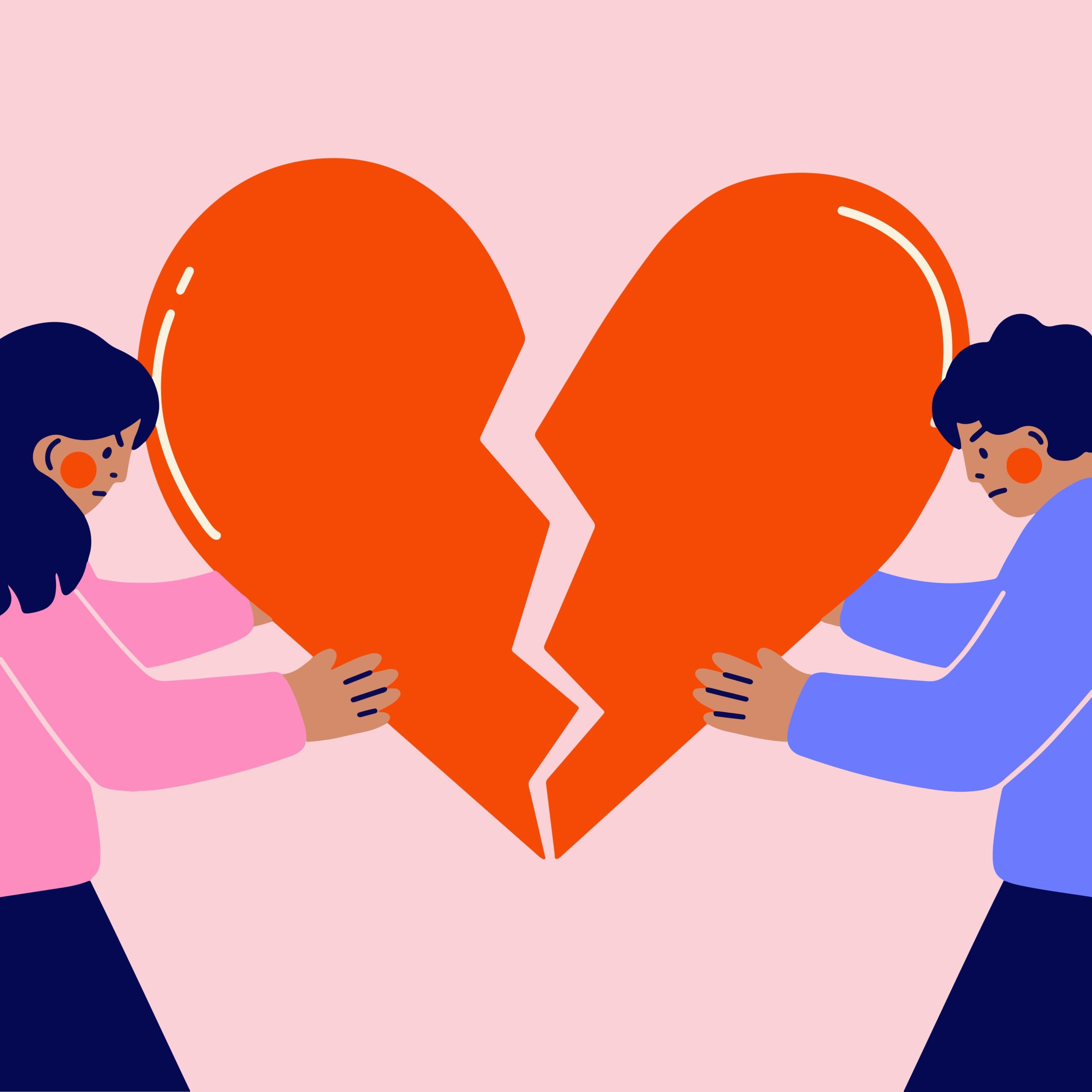
Relationships don't start in earnest until the initial fantasy shatters. This 'crisis of disappointment' happens when partners see each other realistically for the first time, flaws and all. Only after this moment can a genuine connection be built on who the person actually is, rather than on an idealized projection.

For couples feeling fatigued, a powerful exercise is to reenact a specific early date where they first felt a spark. This "time travel" involves recreating the setting, clothing, and even the mindset of uncertainty and excitement from that time, which can effectively reignite feelings of passion.
Conflict avoidance is not a sign of a healthy relationship. True intimacy is built through cycles of 'rupture and repair,' where disagreements are used as opportunities for deeper understanding. A relationship without conflict may be fragile, as its ability to repair has never been tested.

The speaker's mother began therapy at age 66 for caregiver burnout, not a major crisis. She'd previously avoided it, thinking her problems weren't "that bad," revealing a common misconception that therapy is only for catastrophes rather than for ongoing personal development at any age.

Couples in conflict often appear to be poor communicators. However, studies show these same individuals communicate effectively with strangers. The issue isn't a skill deficit, but a toxic emotional environment within the relationship that inhibits their willingness to collaborate.