Get your free personalized podcast brief
We scan new podcasts and send you the top 5 insights daily.
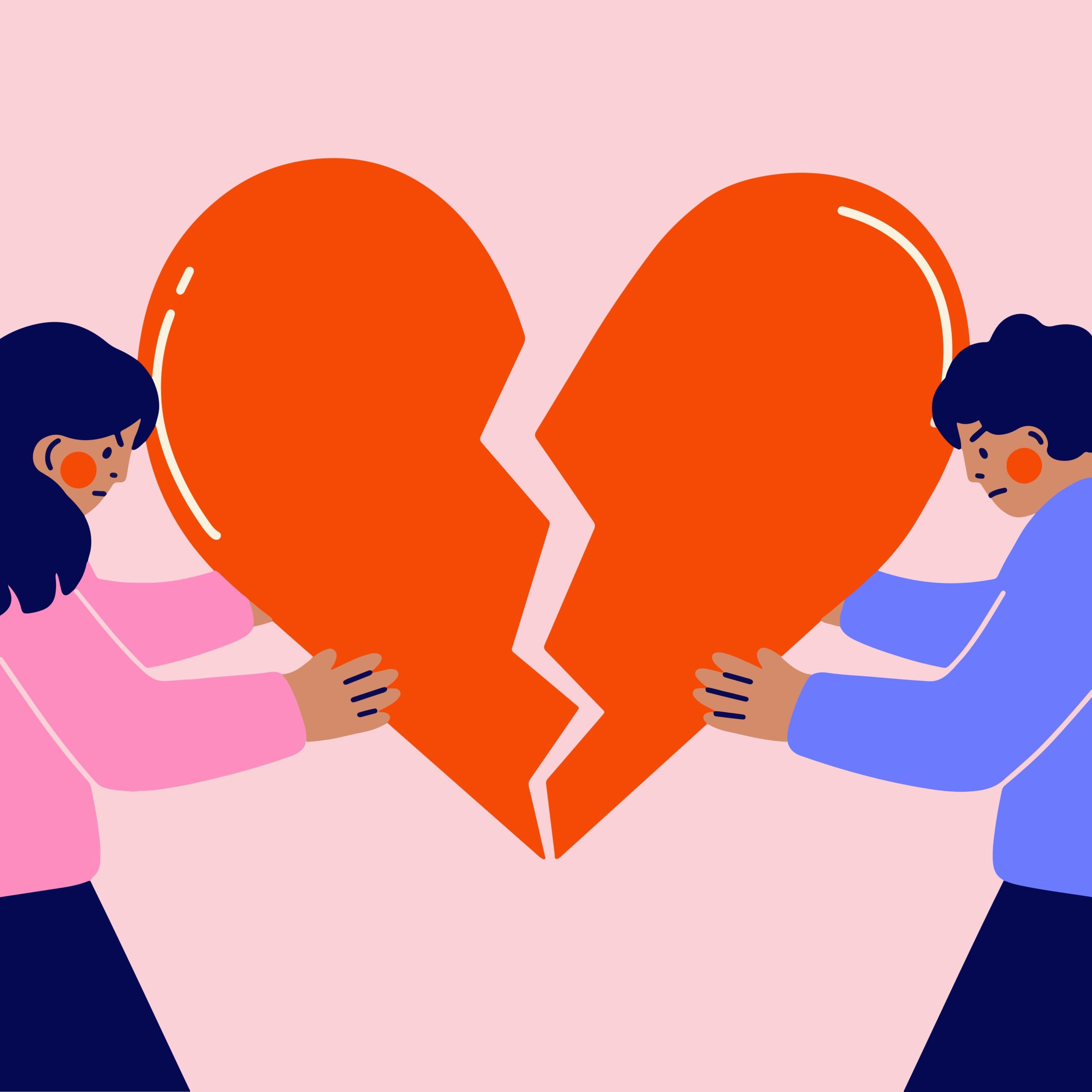
Catastrophic relationship failures are rarely caused by a single event. Instead, they are the result of hundreds of small moments where a minor conflict could have been repaired with validation or an apology, but wasn't. The accumulation of these unrepaired moments erodes the relationship's foundation over time.

Related Insights
Simply saying sorry or explaining your mistake is less effective than taking ownership and outlining a specific, measurable plan to change your behavior in the future. This provides a compelling signal of sincerity and allows the other person to see follow-through.

Deep intimacy is not a passive state but an active skill that requires practice. Difficult emotional work, like apologizing first, will feel clumsy initially, just like learning an instrument. Gracefulness and effectiveness only come through consistent repetition and treating it as a formal practice.

Conflict in friendships should be welcomed, not avoided. The psychotherapeutic concept of 'rupture and repair' — a breach in the relationship followed by its restoration — is proof of a strong connection. Actively working through conflict facilitates growth, respect, and a deeper bond.

During a shared trauma, couples often fail to communicate, leading to resentment. The solution isn't to pretend everything is okay, but to have the courage to state the problem bluntly (e.g., "This is a disaster... I don't like you right now"). This directness breaks the stalemate and forces open communication.
According to researcher John Gottman, successful couples don't always resolve every fight. Many long-term partners acknowledge that some disagreements are perpetual and learn to live with them, accepting them as a feature of the relationship rather than a fatal flaw.

A common myth is that good relationships lack conflict. The reality is that the strength of a relationship is determined by its ability to manage and grow from conflict. The key metric is whether each argument makes the bond stronger (healing to 101%) or weaker (healing to 99%).
Negative comments and actions are disproportionately powerful, acting like "poison in our system." Research by relationship expert John Gottman indicates that a 5:1 ratio of positive to negative interactions is required to maintain a healthy emotional bank account with colleagues, reports, or family.

The success of a long-term relationship is better predicted by how partners handle conflict and disagreement than by how much they enjoy good times together. People are more likely to break up due to poor conflict resolution than a lack of peak experiences.

Conflict avoidance is not a sign of a healthy relationship. True intimacy is built through cycles of 'rupture and repair,' where disagreements are used as opportunities for deeper understanding. A relationship without conflict may be fragile, as its ability to repair has never been tested.
Couples in conflict often appear to be poor communicators. However, studies show these same individuals communicate effectively with strangers. The issue isn't a skill deficit, but a toxic emotional environment within the relationship that inhibits their willingness to collaborate.