Get your free personalized podcast brief
We scan new podcasts and send you the top 5 insights daily.
A breakup isn't just the loss of a person; it's the death of a unique 'microculture' built for two. This shared world of inside jokes, special rituals, and private language is a core part of a couple's bond. Its sudden disappearance is a profound and devastating component of the heartbreak that follows a split.

Related Insights
Breakups are uniquely destabilizing because they create a 'double whammy' of stress. You not only lose a person you cared about, but you also lose the primary individual you would typically turn to for support during a crisis. This dual loss leaves you without your main coping mechanism precisely when you need it most.
Listening to sad music when you're sad isn't self-indulgent; it's therapeutic. It stimulates the brain's right hemisphere, which processes aesthetics, helping you to better understand your confusing emotions and facilitating the healing process.
Catastrophic relationship failures are rarely caused by a single event. Instead, they are the result of hundreds of small moments where a minor conflict could have been repaired with validation or an apology, but wasn't. The accumulation of these unrepaired moments erodes the relationship's foundation over time.

Resolving unfinished business after a relationship ends is a personal task. Imaginary dialogues can be more effective for emotional processing than real conversations with the other person, who may be unavailable or unwilling. Closure comes from within, not from external validation.
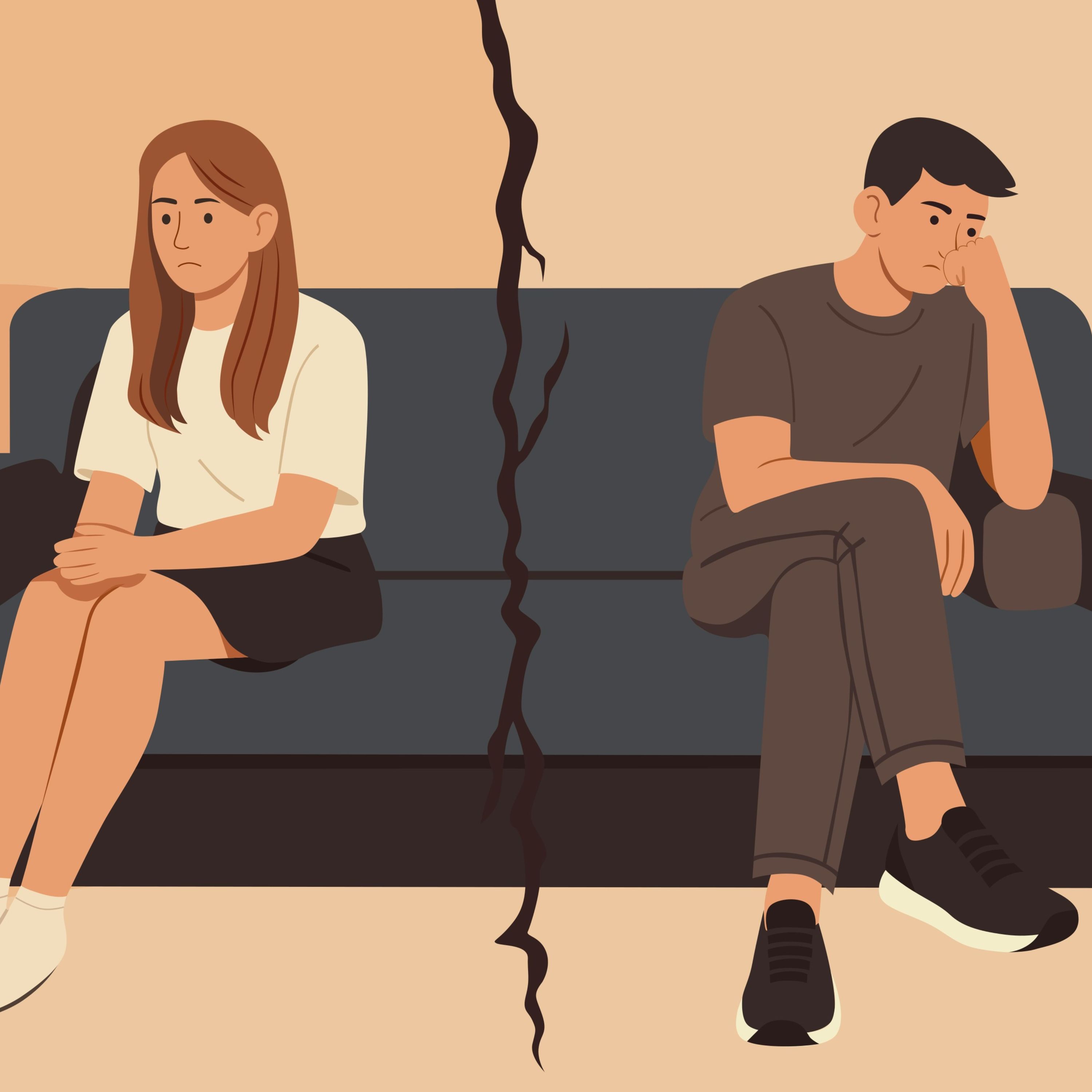
The common assumption that heartbreak is purely negative is flawed. Instead of causing you to close off, experiencing and moving through the pain of heartbreak actually breaks your heart open, increasing your ability to love more deeply in the future. Avoiding this pain is what leads to trauma and closure, not the heartbreak itself.
The speaker argues that every "Red Pill" adherent he has worked with was previously a romantic who invested heavily in a relationship and was deeply hurt. Their ideology is a defense mechanism born from this trauma, causing them to wall off emotionally and adopt a transactional view of relationships to avoid future pain.
To effectively move on from a relationship, it is crucial to form a coherent story about why it ended. It doesn't matter if the narrative blames the ex or focuses on personal growth; what matters is that it makes sense to you. This process provides closure, reduces chaotic feelings, and fosters optimism for the future.
Relationships don't start in earnest until the initial fantasy shatters. This 'crisis of disappointment' happens when partners see each other realistically for the first time, flaws and all. Only after this moment can a genuine connection be built on who the person actually is, rather than on an idealized projection.

The success of a long-term relationship is better predicted by how partners handle conflict and disagreement than by how much they enjoy good times together. People are more likely to break up due to poor conflict resolution than a lack of peak experiences.
Conflict avoidance is not a sign of a healthy relationship. True intimacy is built through cycles of 'rupture and repair,' where disagreements are used as opportunities for deeper understanding. A relationship without conflict may be fragile, as its ability to repair has never been tested.