Get your free personalized podcast brief
We scan new podcasts and send you the top 5 insights daily.
Most couples view therapy as a last resort. A more effective approach is to engage in it proactively at the beginning of a relationship to establish tools for clear communication and ensure value alignment, preparing the couple to handle future challenges constructively.

Related Insights
Love isn't enough to sustain a relationship for decades. Applying business principles—like smart systems, regular quarterly reviews, and clear communication—provides the structure and intentional care needed for it to thrive, even if it sounds unromantic.

For partners hesitant about therapy, perhaps due to cultural stigma, starting with couples sessions can create a bridge. It provides a safe, shared space that can demystify the process, making them more open to pursuing individual work on their own.

Couples often won't change unless they're in a crisis because comfort breeds inertia. A counterintuitive therapeutic technique is to intentionally apply pressure to "put them in crisis," forcing the couple out of their comfort zone to confront issues and make necessary changes.

Instead of waiting for problems, couples can implement a simple weekly check-in. Asking specific questions ("What 3 things made you feel loved? What 3 could I do better?") provides a structured, low-friction way to perform preventative maintenance on the relationship.

During a shared trauma, couples often fail to communicate, leading to resentment. The solution isn't to pretend everything is okay, but to have the courage to state the problem bluntly (e.g., "This is a disaster... I don't like you right now"). This directness breaks the stalemate and forces open communication.

By framing a perpetual issue as an external, inanimate pattern (e.g., a 'spender-saver' dynamic), partners can stop blaming each other. This shifts the focus from personal failings to a shared problem they can address collaboratively, fostering connection instead of disconnection.
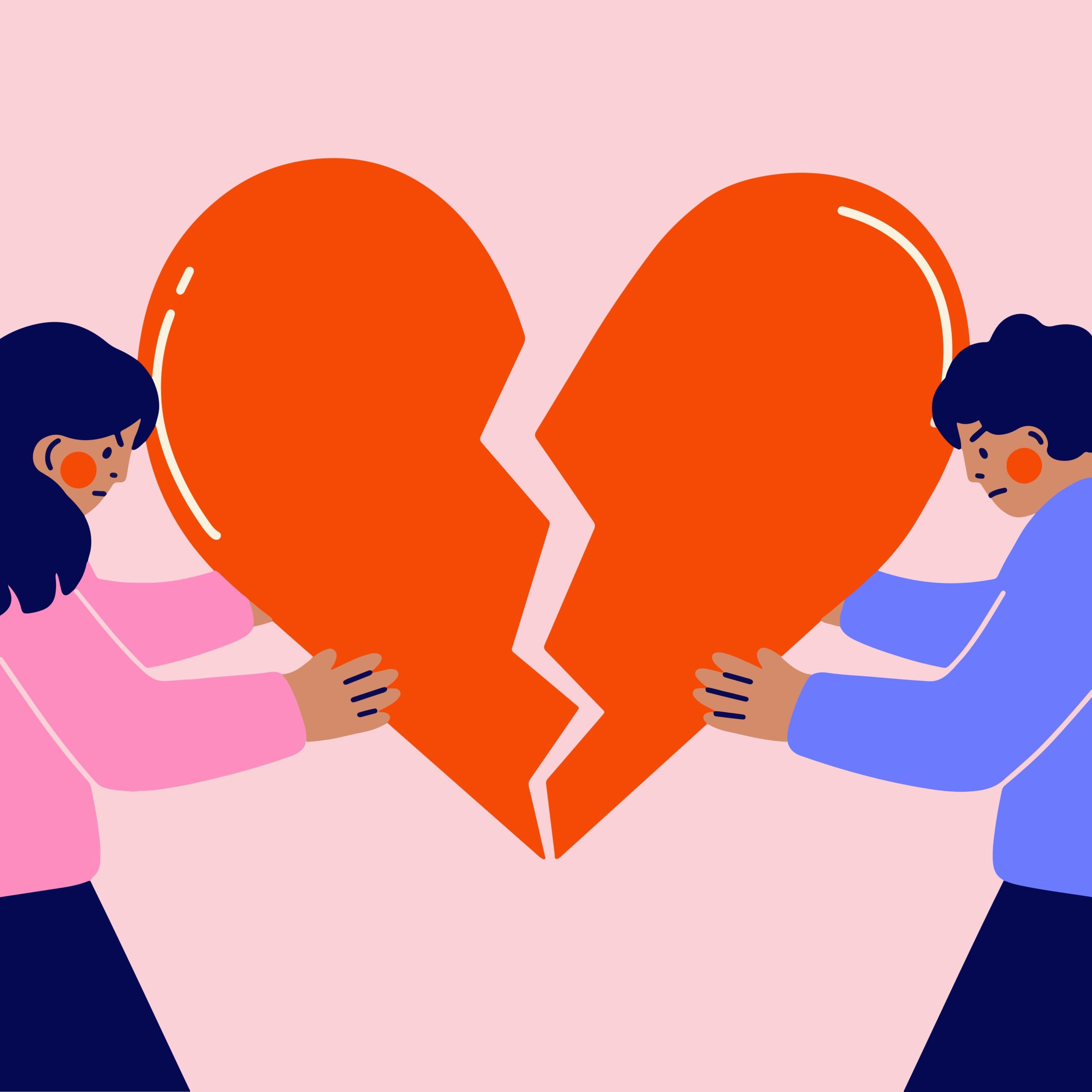
A common myth is that good relationships lack conflict. The reality is that the strength of a relationship is determined by its ability to manage and grow from conflict. The key metric is whether each argument makes the bond stronger (healing to 101%) or weaker (healing to 99%).

The success of a long-term relationship is better predicted by how partners handle conflict and disagreement than by how much they enjoy good times together. People are more likely to break up due to poor conflict resolution than a lack of peak experiences.

Conflict avoidance is not a sign of a healthy relationship. True intimacy is built through cycles of 'rupture and repair,' where disagreements are used as opportunities for deeper understanding. A relationship without conflict may be fragile, as its ability to repair has never been tested.
Couples in conflict often appear to be poor communicators. However, studies show these same individuals communicate effectively with strangers. The issue isn't a skill deficit, but a toxic emotional environment within the relationship that inhibits their willingness to collaborate.