Get your free personalized podcast brief
We scan new podcasts and send you the top 5 insights daily.
Couples make two fatal, opposing assumptions. First, that marriage will fix a partner's existing flaws. Second, that the person they marry will not fundamentally change over decades. A successful marriage requires accepting current flaws while preparing to grow alongside an evolving partner.

Related Insights
We dedicate years to learning skills like math but expect people to navigate the complexities of marriage with no training. Society frames marriage as a magical state you're either good at or not, rather than a practical skill set that can be taught, practiced, and improved, leading to predictable failure.
Despite its complexities, a successful marriage's foundation is simple: each partner consistently feels they are the other's favorite person. This core sentiment, when genuinely maintained, provides the warmth and motivation to navigate inevitable challenges.
Insisting a partner must change for you to be happy creates a state of "self-justifying passivity." You become trapped waiting for them, rather than reclaiming your power to improve the relationship by being the one who moves first towards understanding.
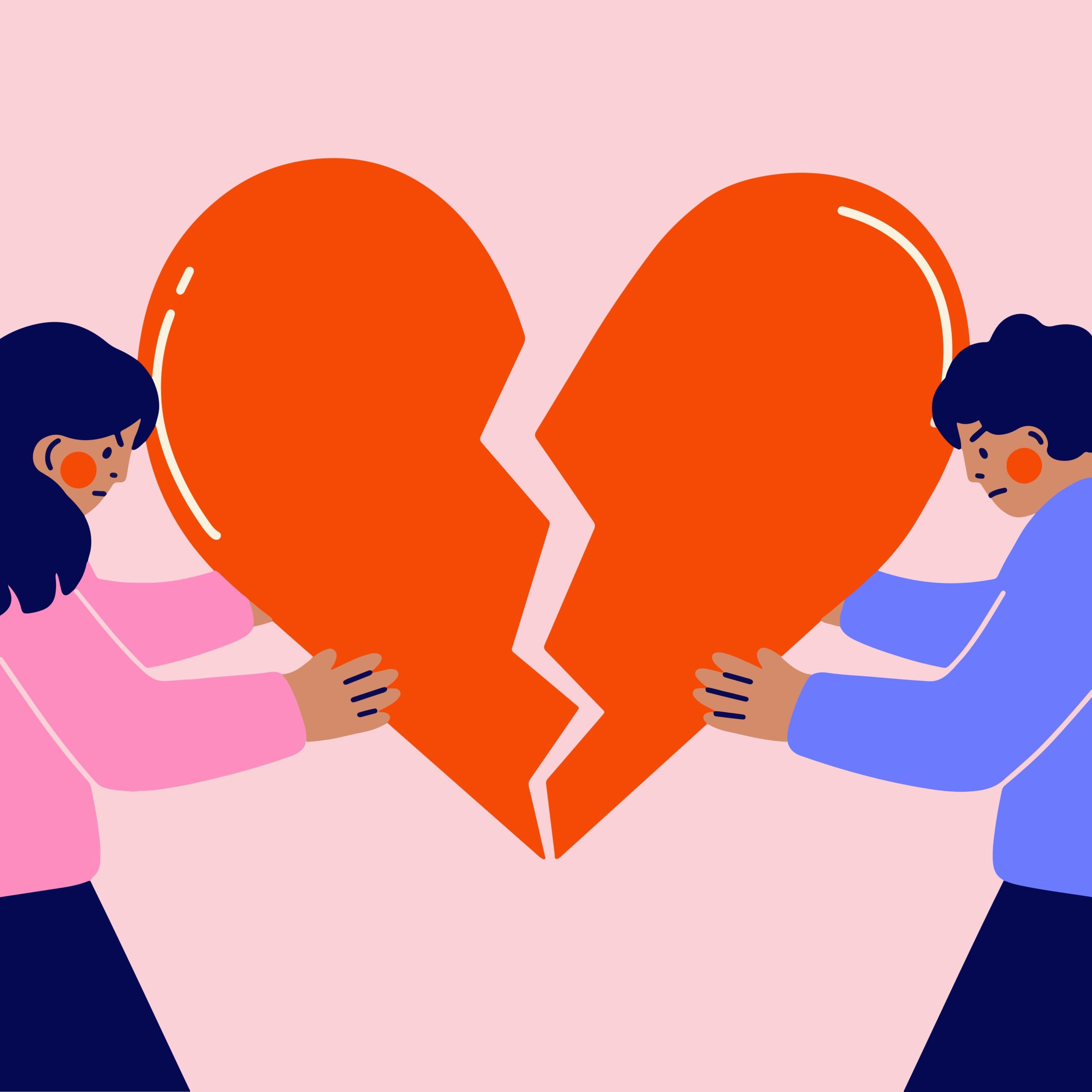
Psychologist James Cordova describes the "paradox of acceptance": the less you actively try to change your partner, the more willing they become to change. This requires genuine surrender, as feigning acceptance with the ulterior motive of instigating change is transparent and ineffective.

Contrary to common advice, high expectations aren't inherently bad for marriage. They create a bifurcation: couples who invest enough to meet these expectations achieve unprecedented levels of fulfillment, while those who can't are often unhappier than couples from past eras with lower expectations.

Beyond happiness or stability, a partnership's ultimate goal should be to help each other become the most authentic versions of themselves. This requires an intimacy where you can see your partner's blind spots and provide feedback that fosters genuine self-discovery and growth.
According to researcher John Gottman, successful couples don't always resolve every fight. Many long-term partners acknowledge that some disagreements are perpetual and learn to live with them, accepting them as a feature of the relationship rather than a fatal flaw.

Contrary to popular belief, a degree of pessimism is a useful tool for building resilient relationships. Expecting a partner to be imperfect, frustrating, and disappointing at times creates a stronger foundation than entering a relationship with idealized, fragile expectations.

With a 56-76% failure rate, marriage should be analyzed like any failing technology, not blindly adopted as tradition. Questioning "why" you are getting married is a critical first step that modern culture wrongly deems rude and off-limits.
A relationship is not the key to personal happiness; it should be an expansion of it. You must first become a healthy, whole person on your own. Seeking a relationship to fix your problems is a flawed premise, as two dysfunctional people coming together only creates more dysfunction.