Get your free personalized podcast brief
We scan new podcasts and send you the top 5 insights daily.
Finland's president reveals that direct texting with counterparts like Donald Trump has become a key diplomatic tool. It allows for rapid information sharing, giving smaller nations influence. This creates a faster, more personal diplomatic web, but it is also fraught with risk, as informality can lead to public leaks and misinterpretations.

Related Insights
A leader's ability to make fast, informed decisions depends on their network. The ultimate test of that network's effectiveness is whether you are just one text message away from getting the crucial inputs or expert opinions needed to fill an information gap quickly.

During the Greenland crisis, Europe employed a two-pronged strategy against Trump's threats. While some leaders like Alexander Stubb pursued de-escalation, others subtly signaled Europe's formidable economic power—a "bazooka" in trade and finance—to create leverage and coerce a non-military resolution.
Trump's erratic approach isn't random; it's a strategy to create chaos and uncertainty. This keeps adversaries off-balance, allowing him to exploit openings that emerge, much like a disruptive CEO. He is comfortable with instability and uses it as a tool for negotiation and advantage.

Finland's president explains that the US can entertain a "multipolar" world of transactional deals because of its immense power. In contrast, smaller nations like Finland depend on a "multilateral," rules-based order for their security and prosperity. For them, multilateralism is not a choice but a geopolitical necessity.
The Greenland diplomatic row taught European leaders that their previous strategy of delicate diplomacy was ineffective with the Trump administration. By presenting credible retaliatory threats, they discovered they could achieve their objectives, signaling a major shift in transatlantic diplomatic strategy.
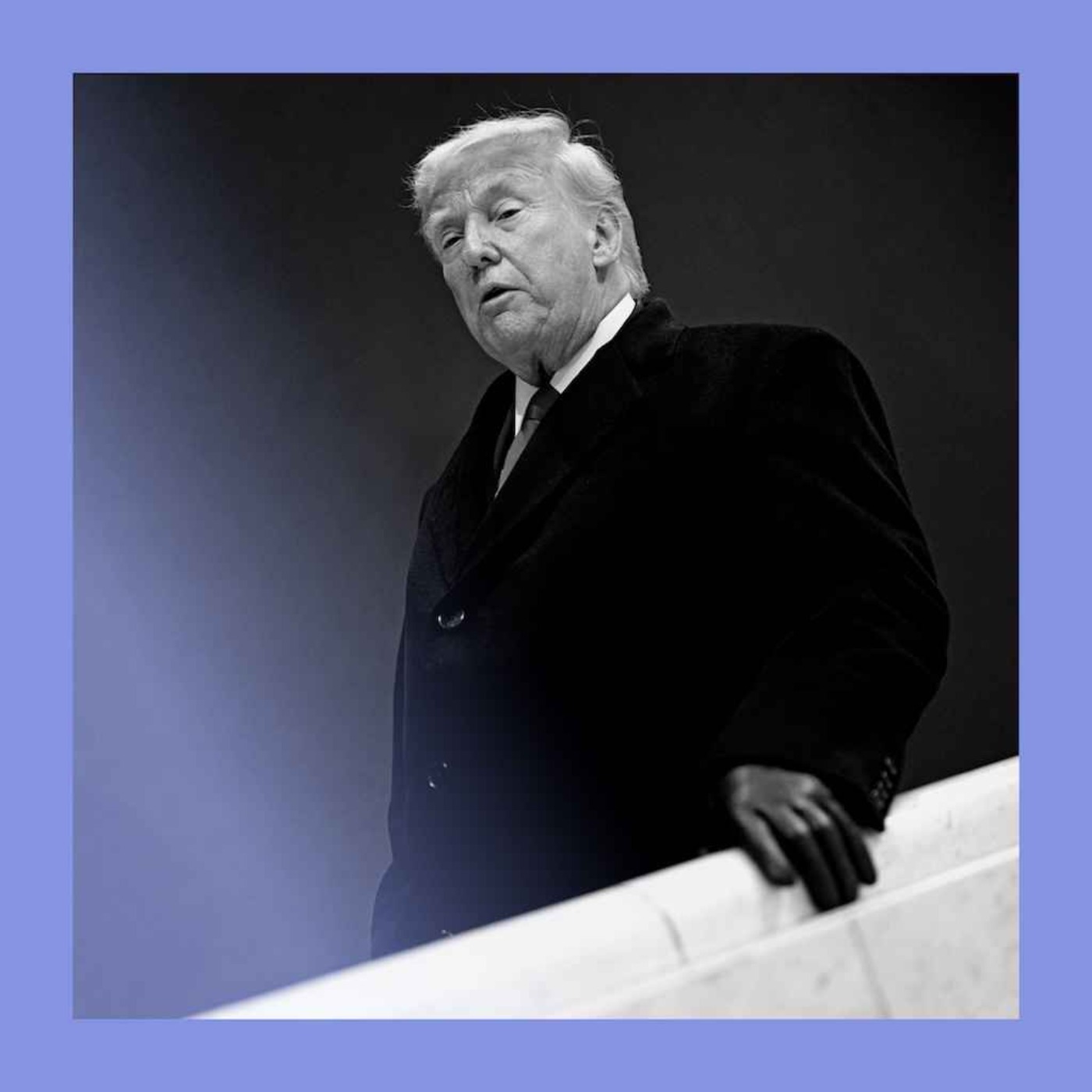
Much of the public conflict between powerful leaders isn't about substantive policy differences but about ego. The desire to avoid looking weak or like they are capitulating leads to political theater that prevents rational cooperation, even when both sides know the eventual outcome is inevitable.

Unlike typical consensus-driven politicians, Donald Trump is described as acting with the urgency of a startup founder, making decisions and taking action in real-time to solve problems, which accelerates policy execution.

The final stages of a major enterprise deal are often closed via text message, signifying a deep level of trust and personal relationship with the buyer. If your champion isn't comfortable texting you, the relationship may not be strong enough to get the deal across the finish line.

Leaked communications reveal a conscious strategy to manipulate Donald Trump in negotiations. By advising Russian counterparts to begin calls by praising Trump's past deals, negotiators like Witkoff leverage his psychological vulnerabilities to steer conversations toward a favorable outcome.

President Xi Jinping used a phone call with President Trump not just for bilateral issues, but to strategically signal displeasure with Japan's hawkish stance on Taiwan. This "shadow play" diplomacy shows China leveraging its relationship with the U.S. to indirectly manage and warn other nations, making the U.S. a channel for its geopolitical messaging.
