Get your free personalized podcast brief
We scan new podcasts and send you the top 5 insights daily.
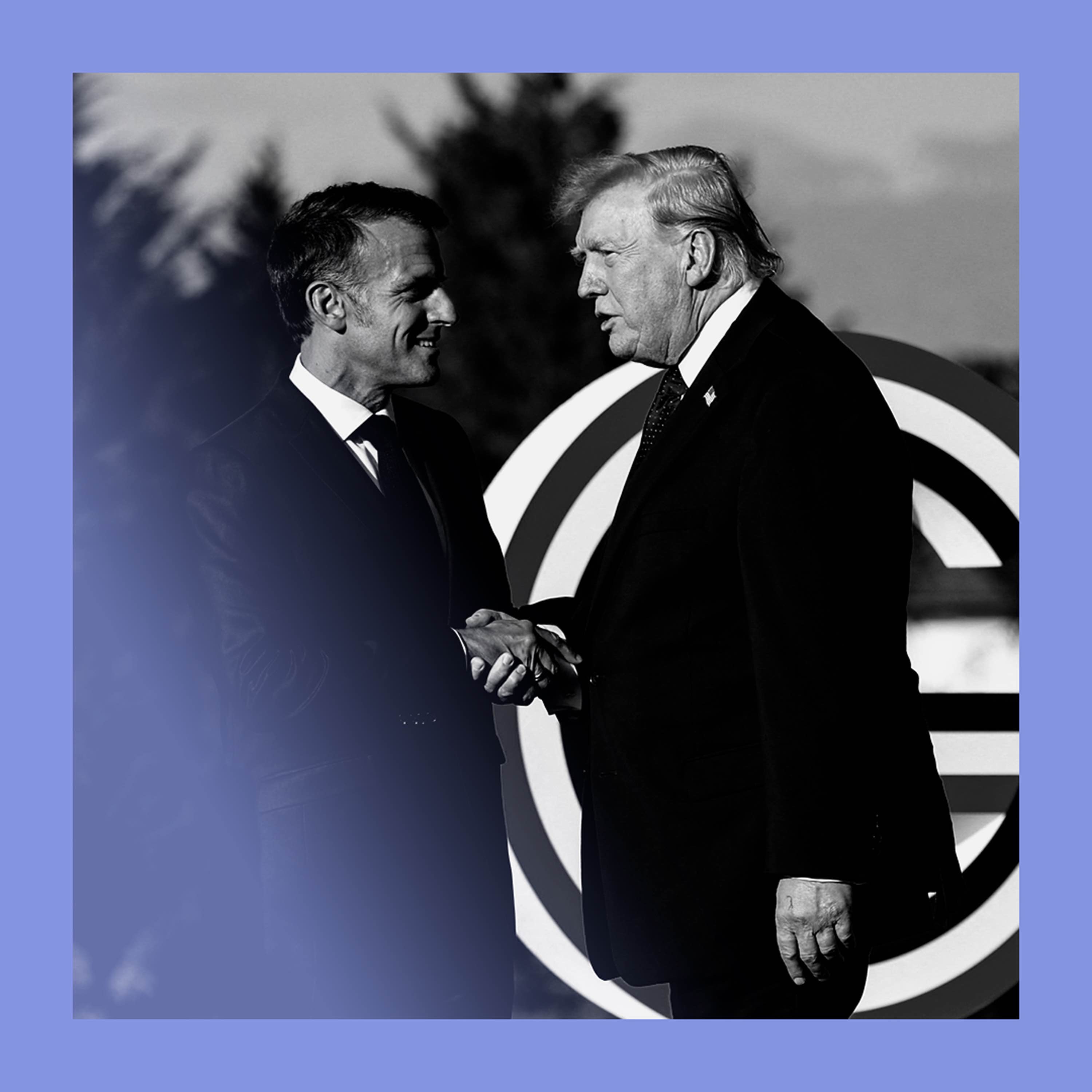
Formal communiques from summits like the G7 are often watered-down compromises. The event's real value comes from providing a rare venue for leaders to have informal, one-on-one discussions without advisors. These candid, unscripted interactions can foster progress where formal sessions fail.
Related Insights
Formal board meetings are often performative. The true direction is set in informal discussions dominated by the largest shareholder and the board member with the most gravitas, not by the entire group.

Instead of seeking consensus, your primary role in a group meeting is to surface disagreements. This brings out the real challenges and priorities that are usually discussed behind closed doors, giving you the full picture of the problem before you ever present a solution.

To manage Donald Trump's unpredictability, French hosts used informal choreography, like engineering a private meeting with Ukrainian President Zelenskyy. This strategic stage-management ensured direct communication occurred, highlighting the importance of soft power and back-channel orchestration in modern diplomacy.
The most valuable insights from a mastermind rarely come from structured sessions like hot seats. Instead, they emerge from informal interactions: side conversations during breaks at live events, direct messages, and one-on-one follow-ups. Proactively create these connections instead of just collecting takeaways.

Effective meetings are not just transactional forums for making decisions. They serve a crucial second purpose: improving the relationships among attendees. Leaders should treat meetings as opportunities to foster healthy debate and strengthen team cohesion, not just to check items off a list.

The Trump-Xi summit appeared successful because it carefully avoided substantive engagement on the most difficult issues like Taiwan and trade imbalances. By creating positive atmospherics and "kicking the can down the road" on intractable problems, both leaders could claim a victory without making real concessions.

French President Macron's primary goal for the G7 was not groundbreaking policy, but ensuring Donald Trump remained engaged. This redefines diplomatic success as simply managing disruptive personalities and preventing chaos, a significant lowering of expectations for such high-level meetings.
When meeting with senior leaders, shift the focus from your status updates to their priorities. Ask what's top of mind for them, what challenges they face, and how you can help. This reframes you from a direct report into a strategic ally, building trust and social capital.

A summit like the Trump-Xi meeting, which includes an entourage of top CEOs, is too high-profile to risk failure. Its primary purpose is likely ceremonial, designed to publicly ratify significant deals that have already been secretly negotiated to avoid political embarrassment and ensure a successful outcome.

Compromise is merely a sum of partial wins and losses where nothing new is created. Follett advocated for "co-creation" as the only worthwhile meeting outcome, where participants integrate their unique perspectives to build something larger and more innovative than any individual idea.
