Get your free personalized podcast brief
We scan new podcasts and send you the top 5 insights daily.
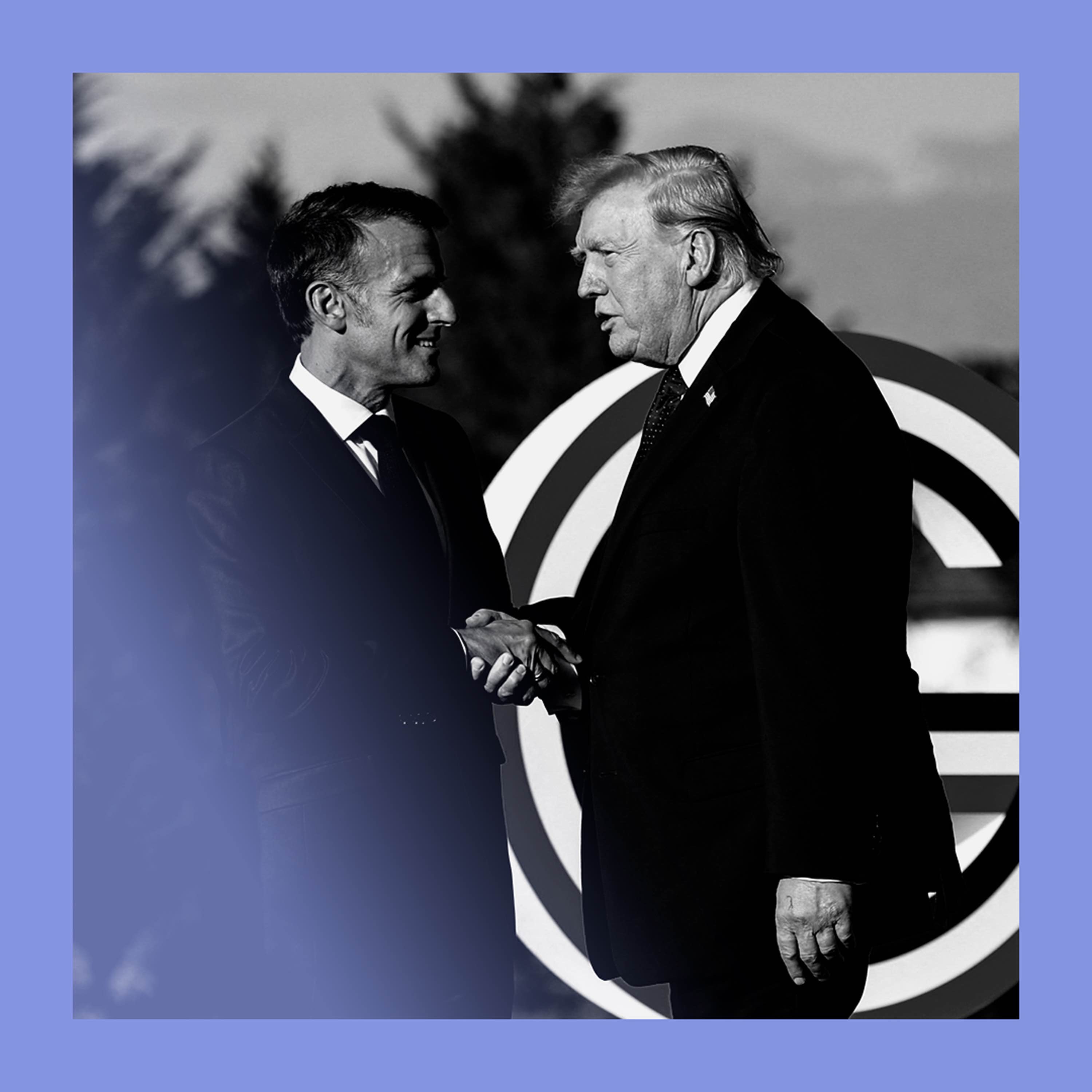
French President Macron's primary goal for the G7 was not groundbreaking policy, but ensuring Donald Trump remained engaged. This redefines diplomatic success as simply managing disruptive personalities and preventing chaos, a significant lowering of expectations for such high-level meetings.
Related Insights
Trump's erratic approach isn't random; it's a strategy to create chaos and uncertainty. This keeps adversaries off-balance, allowing him to exploit openings that emerge, much like a disruptive CEO. He is comfortable with instability and uses it as a tool for negotiation and advantage.

The Greenland diplomatic row taught European leaders that their previous strategy of delicate diplomacy was ineffective with the Trump administration. By presenting credible retaliatory threats, they discovered they could achieve their objectives, signaling a major shift in transatlantic diplomatic strategy.
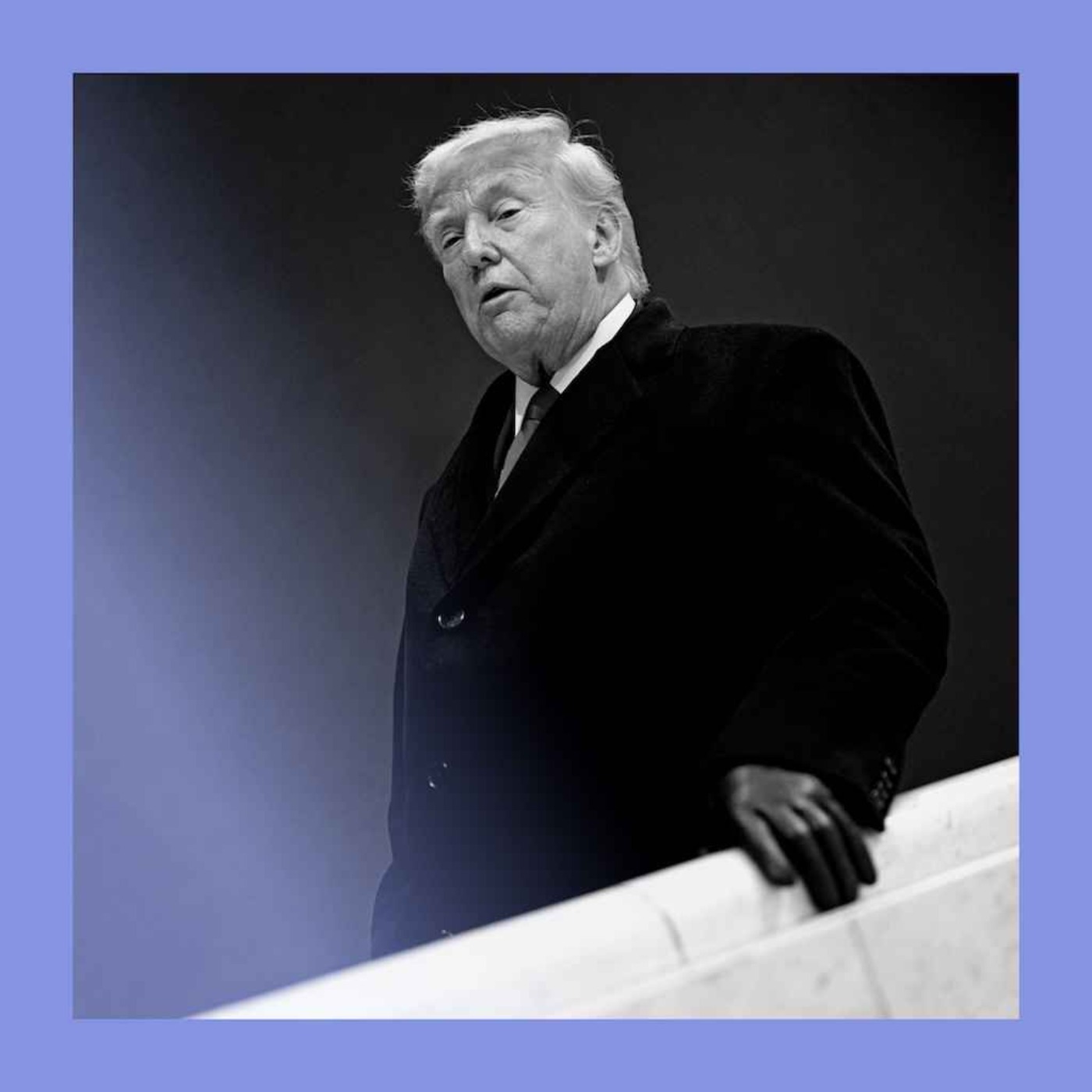
To manage Donald Trump's unpredictability, French hosts used informal choreography, like engineering a private meeting with Ukrainian President Zelenskyy. This strategic stage-management ensured direct communication occurred, highlighting the importance of soft power and back-channel orchestration in modern diplomacy.
Expectations for the Trump-Xi summit are so low that preventing a complete collapse of talks is considered a positive outcome. After nearly triggering a global recession, the primary goal is stability, not a "grand bargain." The mere act of meeting is significant, as it marks the first visit by a US leader in nearly a decade, reframing success as crisis management.
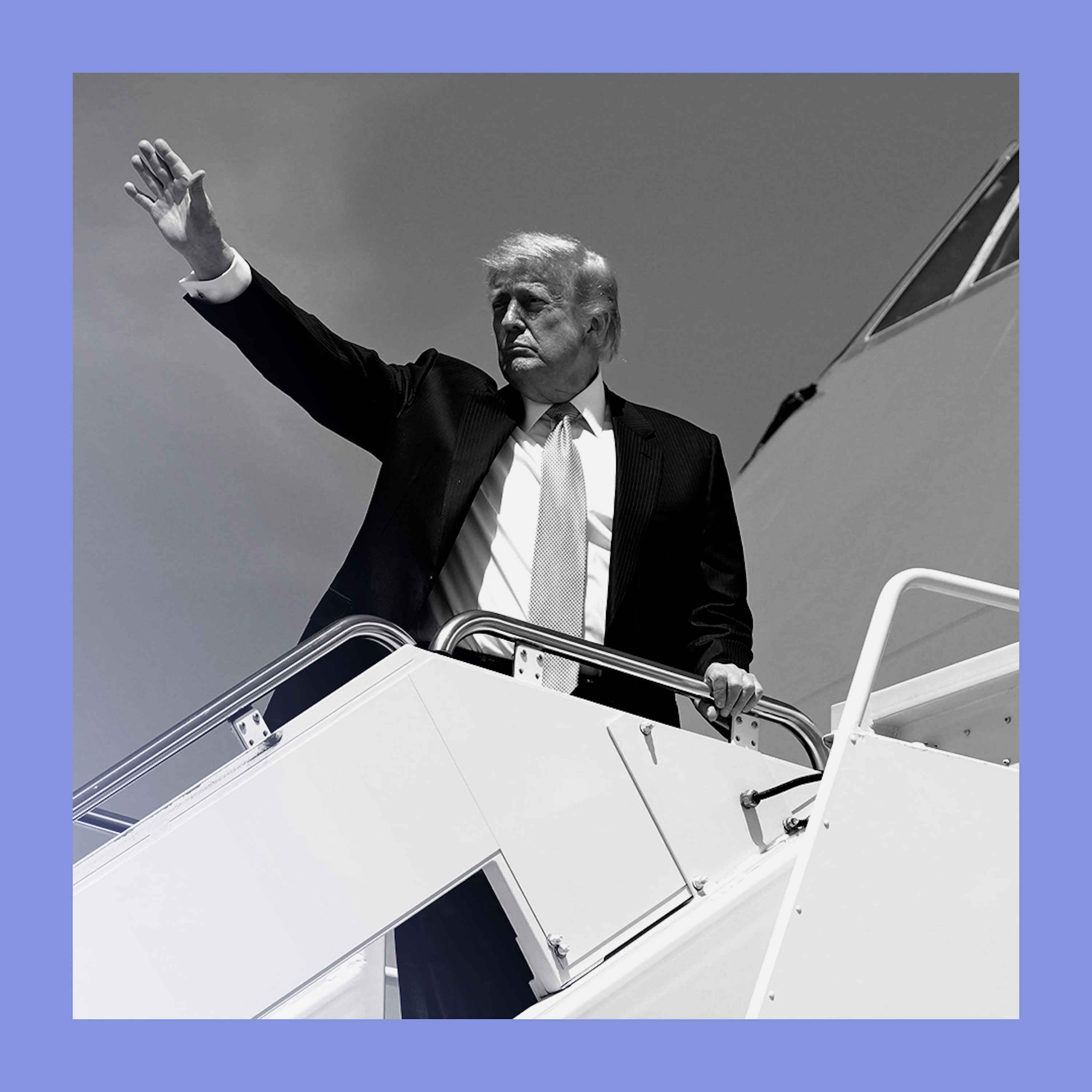
Formal communiques from summits like the G7 are often watered-down compromises. The event's real value comes from providing a rare venue for leaders to have informal, one-on-one discussions without advisors. These candid, unscripted interactions can foster progress where formal sessions fail.
The Trump-Xi summit appeared successful because it carefully avoided substantive engagement on the most difficult issues like Taiwan and trade imbalances. By creating positive atmospherics and "kicking the can down the road" on intractable problems, both leaders could claim a victory without making real concessions.

Trump's seemingly chaotic approach is best understood as a CEO's leadership style. He tells his staff what to do rather than asking for opinions, uses disruption as a negotiation tactic, and prioritizes long-term outcomes over short-term public opinion or procedural harmony.

High-stakes meetings between US and Chinese leaders may focus more on projecting positive "mood music" than achieving concrete outcomes. For a US president needing a foreign policy win, China can offer the appearance of cooperation, such as promising future purchases, without making significant concessions on core security or technology issues.
A summit like the Trump-Xi meeting, which includes an entourage of top CEOs, is too high-profile to risk failure. Its primary purpose is likely ceremonial, designed to publicly ratify significant deals that have already been secretly negotiated to avoid political embarrassment and ensure a successful outcome.

A core element of Trump's worldview is the belief that global affairs can be managed through personal relationships and deals between powerful leaders, bypassing institutions. This 'great power condominium' approach explains his attempts to charm leaders like Putin and Xi, believing his personal diplomacy can resolve complex structural issues.