Get your free personalized podcast brief
We scan new podcasts and send you the top 5 insights daily.
World leaders appear on Bret Baier's show because they know Donald Trump watches it religiously. This effectively transforms the news program into a de facto communication channel, allowing foreign leaders to pipe their messages directly to a key US political figure, bypassing traditional diplomatic routes.

Related Insights
Bret Baier clarifies he is the "executive editor" of his show, responsible for all editorial decisions within his hour. This structure means major news programs can function as semi-independent editorial fiefdoms, where the anchor's judgment—not a central news desk—is the final word on content.
Baier explains that interviewing Donald Trump requires interjecting during pauses ("on the breath") and constantly redirecting him back to the topic ("work the weave") when he goes on tangents. This is a specific, practical technique for managing dominant and evasive interview subjects.
Finland's president reveals that direct texting with counterparts like Donald Trump has become a key diplomatic tool. It allows for rapid information sharing, giving smaller nations influence. This creates a faster, more personal diplomatic web, but it is also fraught with risk, as informality can lead to public leaks and misinterpretations.

The President's Daily Brief is not a static document but a process tailored to the sitting president's consumption habits. From film reels for Ronald Reagan to video highlight reels for Donald Trump, the intelligence community has a long history of adapting its format to ensure executive engagement, prioritizing consumption over a standardized medium.

Bret Baier defends his off-the-record interactions with Donald Trump, such as golfing, not for immediate scoops but for understanding his mindset on key issues. This reframes the "access journalism" debate, suggesting the primary value lies in gaining strategic context rather than trading integrity for a single story.
To secure commitments from Donald Trump, diplomat Momdani employed a highly personalized strategy. Instead of policy debate, he presented old newspaper clippings celebrating Trump's past achievements, directly appealing to his ego and desire for a positive legacy, proving to be a "Trump whisperer."

Instead of fearing Trump's unpredictability, foreign leaders can manipulate it. By appealing to his desire for a 'peace through strength' legacy and his need to showcase American power, a country like Mexico could secure significant military and economic aid by framing it as a clear win for him.
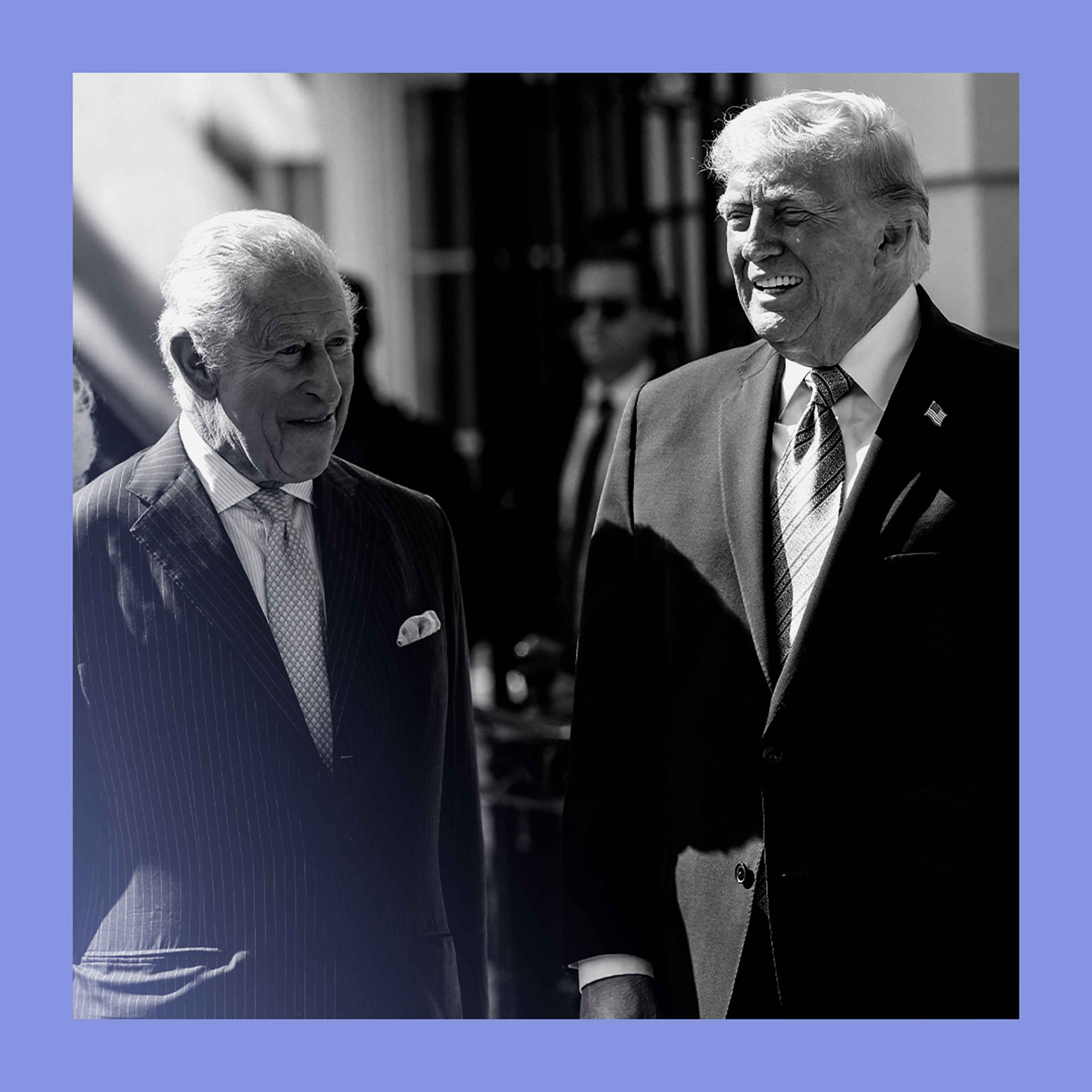
Despite a common belief that Americans love British royals, King Charles has negative favorability ratings in the US. However, his diplomatic value comes from his surprisingly positive personal relationship with Donald Trump, providing a unique channel to smooth relations at a critical time.
Fox News anchor Bret Baier reveals that when Mitch McConnell was Senate Majority Leader, his office blocked his schedule from 6-7 PM specifically to watch Baier's show, "Special Report." This highlights the direct, operational influence a single media entity can have on top political leaders.
The impact of a media story isn't measured solely by audience size. Its real influence can stem from capturing the attention of a few powerful figures, like Donald Trump, who then amplify the narrative and shape political discourse, as seen with the saga around Barry Weiss and CBS News.
