Get your free personalized podcast brief
We scan new podcasts and send you the top 5 insights daily.
To secure commitments from Donald Trump, diplomat Momdani employed a highly personalized strategy. Instead of policy debate, he presented old newspaper clippings celebrating Trump's past achievements, directly appealing to his ego and desire for a positive legacy, proving to be a "Trump whisperer."

Related Insights
Unlike politicians who push a pre-set agenda, Trump engages business leaders by asking what their biggest problems are and what he can do to help. This listening-first approach, followed by direct action, builds powerful alliances and is a key feature of his political style.
The first conversation with a target CEO shouldn't focus on the deal. Instead, focus on their personal story to uncover their core motivation—money, legacy, or team success. This "why" provides the key to framing the acquisition in a way that resonates with them and dictates the entire negotiation strategy.

The peace deal materialized only after President Trump became personally and seriously invested. His direct pressure on Prime Minister Netanyahu was the critical factor in shifting Israel's position, suggesting that previous, less forceful American approaches missed opportunities to end the conflict sooner.

A psychological tactic to neutralize Stephen Miller is to publicly portray him as the power behind the throne. Citing how the 'President Bannon' Time Magazine cover led to Steve Bannon's ousting, this strategy would trigger Trump's narcissism and cause him to push Miller away.

The meeting between Donald Trump and Zoran Mamdani is analyzed not as a simple photo-op, but as a masterful, mutually beneficial political move. It allowed both to appear statesmanlike and gracious, transcending partisan lines to appeal to a broader audience. It demonstrates how surprising collaborations can be a powerful strategy for shaping public perception.
Instead of fearing Trump's unpredictability, foreign leaders can manipulate it. By appealing to his desire for a 'peace through strength' legacy and his need to showcase American power, a country like Mexico could secure significant military and economic aid by framing it as a clear win for him.
Instead of bridging conflicting narratives, Donald Trump broke a negotiation impasse by unilaterally declaring Hamas's ambiguous response a success. By imposing a new narrative that "everybody wants peace," he preempted objections and forced both sides to proceed, demonstrating how a powerful actor can create momentum by defining reality.
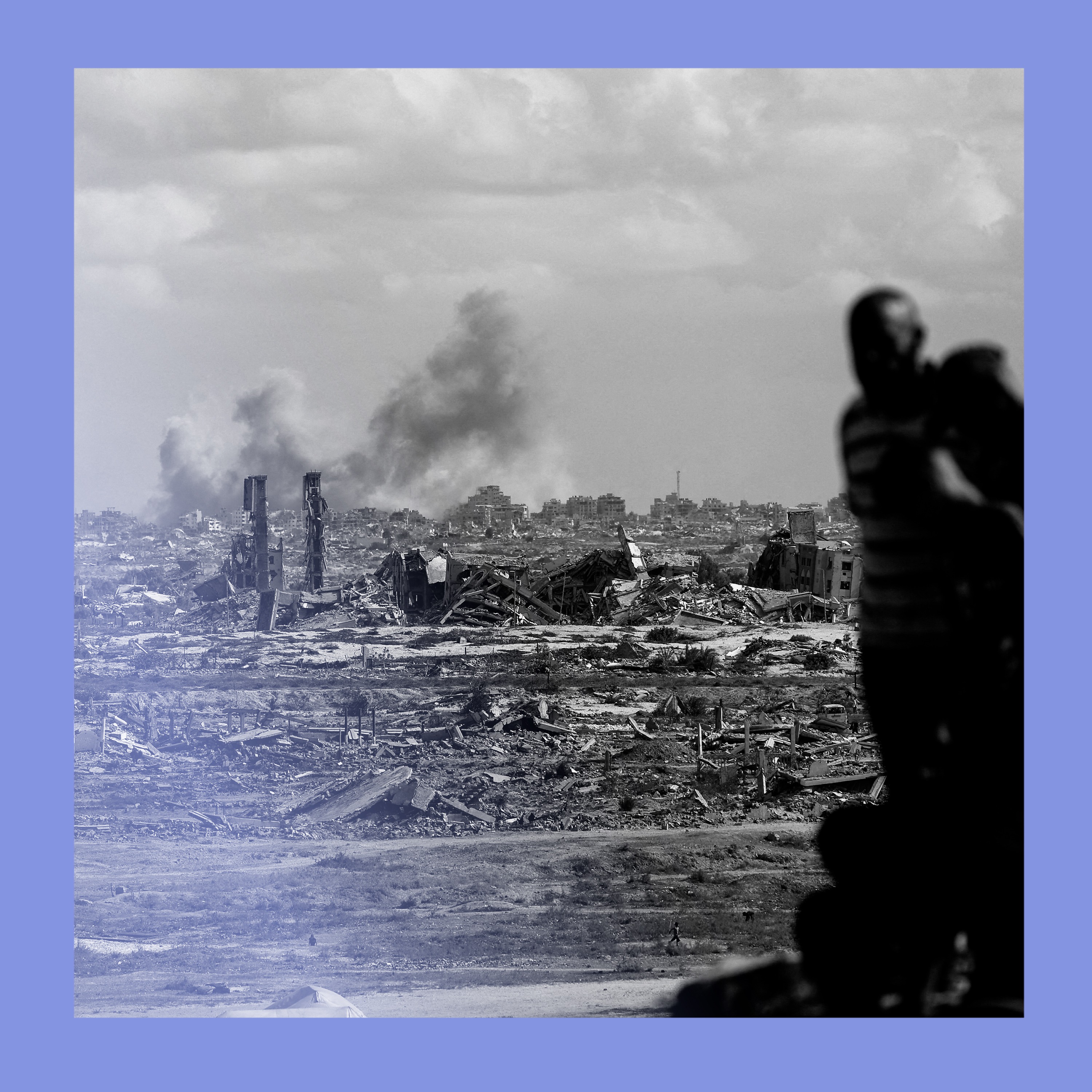
Leaked communications reveal a conscious strategy to manipulate Donald Trump in negotiations. By advising Russian counterparts to begin calls by praising Trump's past deals, negotiators like Witkoff leverage his psychological vulnerabilities to steer conversations toward a favorable outcome.

A core element of Trump's worldview is the belief that global affairs can be managed through personal relationships and deals between powerful leaders, bypassing institutions. This 'great power condominium' approach explains his attempts to charm leaders like Putin and Xi, believing his personal diplomacy can resolve complex structural issues.

The success of figures like Trump and Mamdani shows a political shift where personality trumps policy. Voters are drawn to authentic, entertainer-like candidates who connect on a human level, making traditional, unrelatable politicians obsolete.
