Contrary to cinematic portrayals, experts believe high-profile stolen jewelry, like the items from the Louvre, has little chance of recovery. The pieces are likely dismantled almost immediately, with gold melted down and precious stones recut and resold, making them untraceable and valued only for their raw materials.
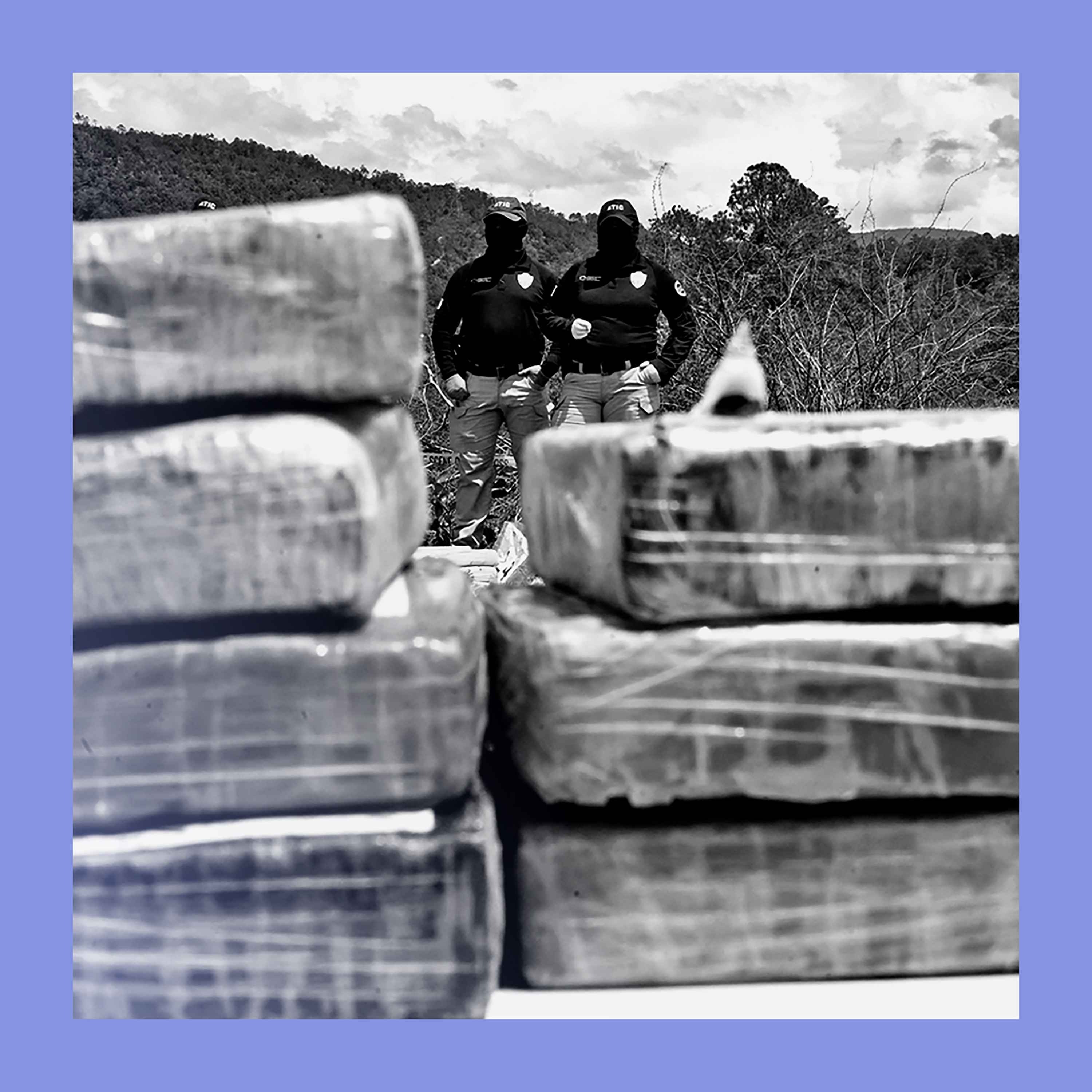
Instead of shipping finished cocaine, traffickers now export an intermediate product, "coca base," to Europe for final processing in local labs. This "narco nearshoring" strategy mirrors legitimate commodity export models, shifting risk and transforming Latin America into a raw material supplier for a European-finished product.
The "Liu Zhi" system is a form of extrajudicial detention used by China's anti-corruption agency. It allows officials to hold individuals, including business executives, for months without access to lawyers or the normal court system in harsh conditions. This creates a climate of intense fear and uncertainty for the business community.
Drug trafficking has shifted from vertically integrated cartels to a fluid network of specialized subcontractors. This model, similar to tech manufacturing, makes the supply chain more resilient to disruption and fosters innovation in cultivation, smuggling, and money laundering, making it harder for law enforcement to disrupt.
While US cocaine consumption has flattened, European demand has surged by 60% in a decade, making it the world's largest market. Traffickers are chasing higher wholesale prices in Europe and especially Australia, where a kilo can fetch over eight times the US price, fundamentally reshaping global smuggling routes.
With local government finances strained, there is talk of "deep sea fishing" campaigns where anti-corruption probes are used as a pretext. Officials target business people, sometimes from other jurisdictions, with the potential goal of finding wrongdoing that allows them to seize the company's assets and shore up their budgets.