Get your free personalized podcast brief
We scan new podcasts and send you the top 5 insights daily.
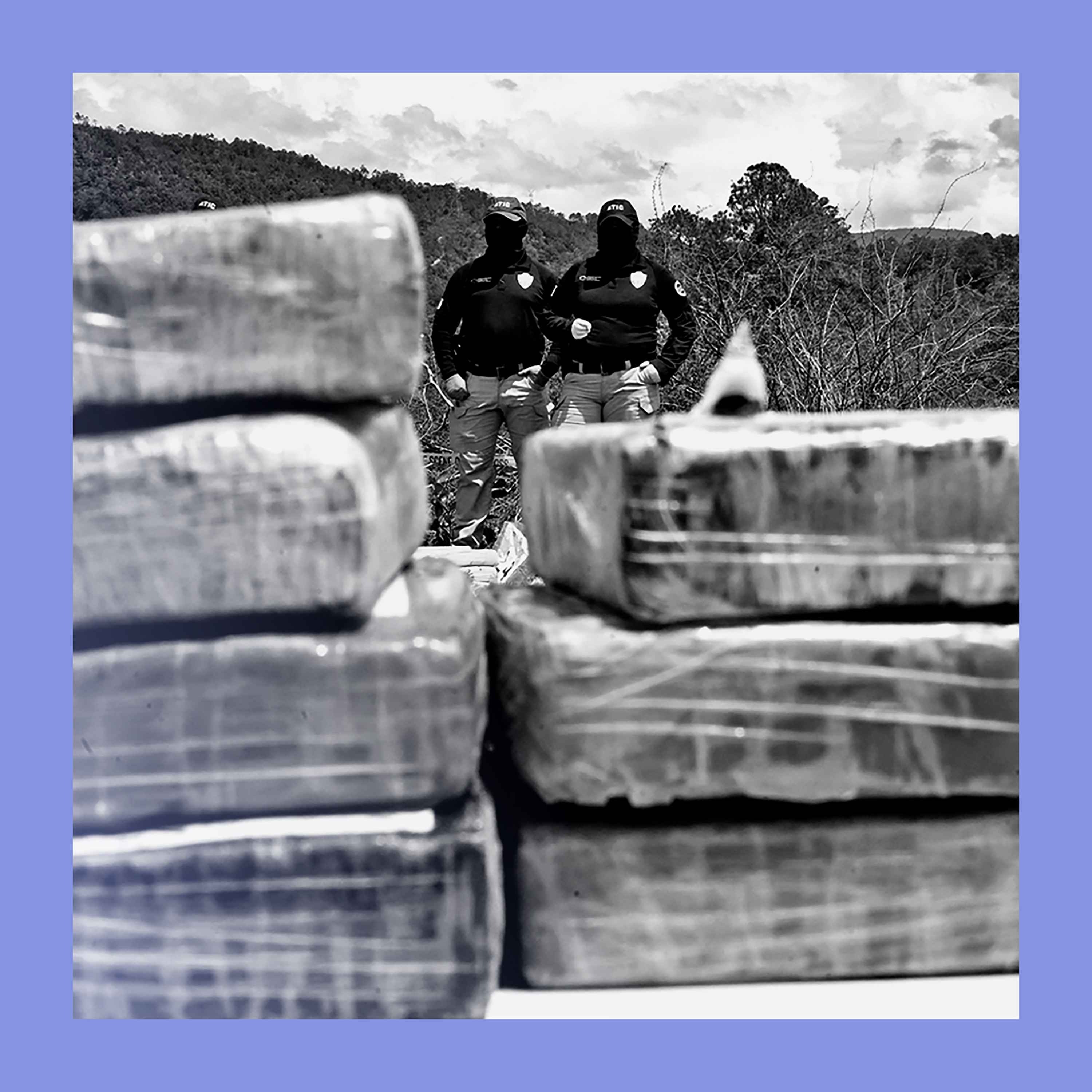
Drug trafficking has shifted from vertically integrated cartels to a fluid network of specialized subcontractors. This model, similar to tech manufacturing, makes the supply chain more resilient to disruption and fosters innovation in cultivation, smuggling, and money laundering, making it harder for law enforcement to disrupt.
Related Insights
Major US tech-industrial companies like SpaceX are forced to vertically integrate not as a strategic choice, but out of necessity. This reveals a critical national infrastructure gap: the absence of a multi-tiered ecosystem of specialized component suppliers that thrives in places like China.

Established industries often operate like cartels with unwritten rules, such as avoiding aggressive marketing. New entrants gain a significant edge by deliberately violating these norms, forcing incumbents to react to a game they don't want to play. This creates differentiation beyond the core product or service.

Organized crime in Latin America is evolving as drug gangs diversify their portfolios into human trafficking. They repurpose existing infrastructure, such as corrupt official contacts and money laundering networks built for the cocaine trade, to run these new operations. This strategic shift has turned previously separate criminal networks into interconnected 'best friends.'

Instead of shipping finished cocaine, traffickers now export an intermediate product, "coca base," to Europe for final processing in local labs. This "narco nearshoring" strategy mirrors legitimate commodity export models, shifting risk and transforming Latin America into a raw material supplier for a European-finished product.
A novel form of organized crime involves gangs buying small, established freight forwarding businesses. They leverage the company's legitimate reputation to take possession of high-value shipping containers, steal the goods, and then promptly shut down the business and disappear, making the crime nearly untraceable.

While US cocaine consumption has flattened, European demand has surged by 60% in a decade, making it the world's largest market. Traffickers are chasing higher wholesale prices in Europe and especially Australia, where a kilo can fetch over eight times the US price, fundamentally reshaping global smuggling routes.
The actual business of a high-level drug enterprise is not just selling a product, but managing immense risk. Their competitive advantage—their "moat"—is the ability to navigate a system of extreme violence and legal peril, which requires a high level of entrepreneurial skill.

While NVIDIA projects $20 billion in annual sales to China, the recent bust of a $160 million smuggling ring suggests a vast black market already existed. This new legal channel may not represent entirely new demand but rather the formalization of pre-existing, illicit supply chains.
Responding to Wall Street pressure to de-risk, large pharmaceutical firms cut internal early-stage research. This led to an exodus of talent and the rise of contract research organizations (CROs), creating an infrastructure that, like cloud computing for tech, lowered the barrier for new biotech startups.

Dominant aggregator platforms are often misjudged as being vulnerable to technological disruption (e.g., Uber vs. robo-taxis). Their real strength lies in their network, allowing them to integrate and offer new technologies from various providers, thus becoming beneficiaries rather than victims of innovation.
