Get your free personalized podcast brief
We scan new podcasts and send you the top 5 insights daily.
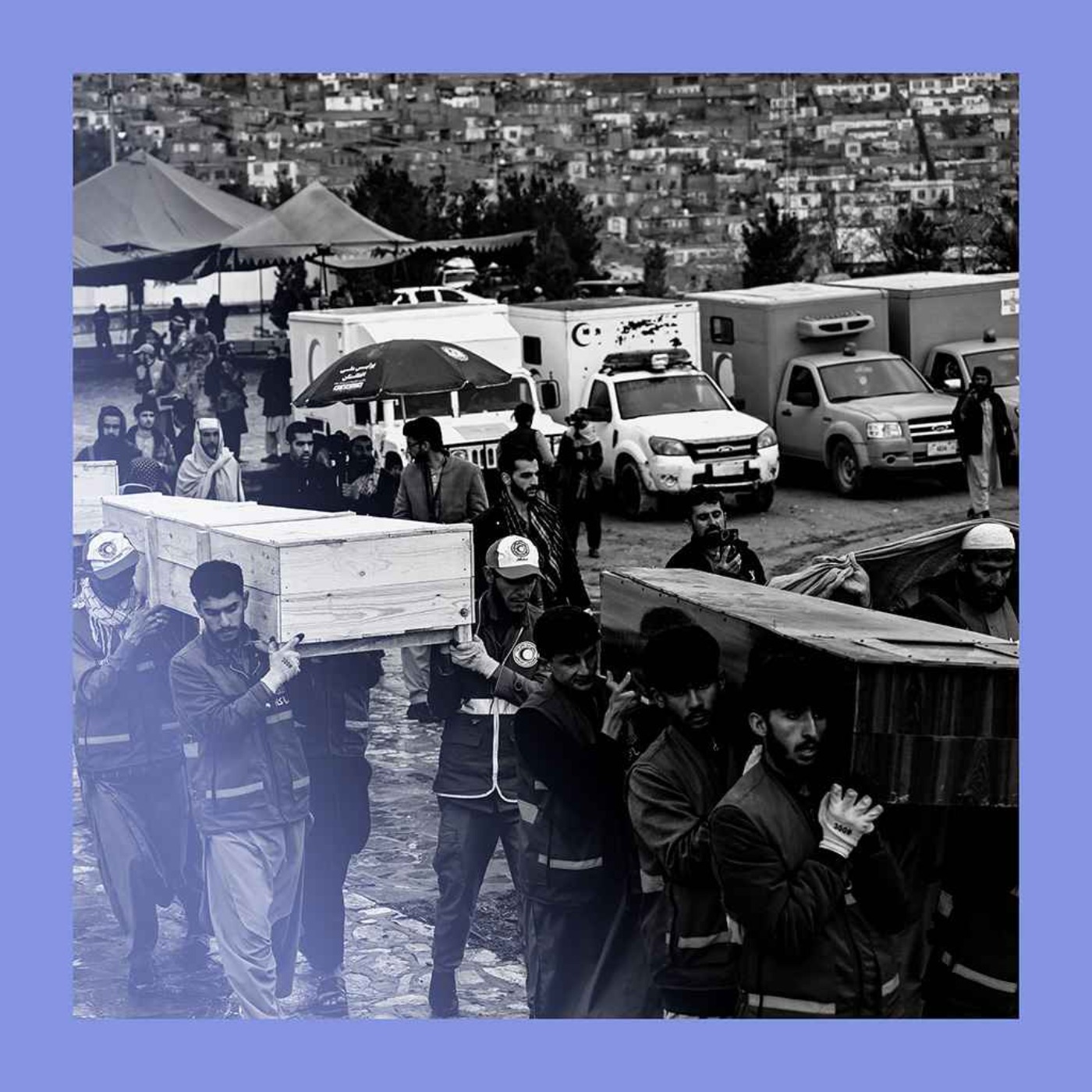
The current conflict between Pakistan and Afghanistan is complicated by a history of shifting alliances. Many Taliban leaders now being targeted by Pakistan's military once found refuge in Pakistan with the support of the country's security services during the US and NATO mission in Afghanistan, illustrating the region's complex dynamics.
Related Insights
The policy of rotating commanders on one-year tours was a critical strategic flaw in Afghanistan. Each new commander arrived believing they had the "recipe for success" and would change the strategy, resulting in a series of disconnected, short-term plans that prevented long-term progress.

Engaging a military with a decentralized command structure is perilous because there's no central authority for negotiation. Even if leadership is neutralized, autonomous cells can continue fighting, creating an unwinnable "headless chicken" scenario where a ceasefire is impossible to implement.

Both Pakistan and Afghanistan are highly exposed to the economic fallout from the war in Iran. Pakistan faces an energy shock, while Afghanistan relies on Iran for food and building materials. This shared vulnerability may compel both sides to seek an off-ramp to their own escalating conflict.
The primary force preventing a collapse of the Iranian regime isn't its own strength, but fear among its neighbors. Countries like Turkey and Pakistan worry a collapse would lead to a massive refugee crisis and empower separatist movements on their borders, creating a strong regional bias for stability.

Regardless of intent, military actions like bombings create personal tragedies that radicalize individuals. This blowback is an unavoidable consequence of war, leading to revenge attacks and perpetuating the conflict, a factor often underestimated in strategic planning.

Initial military actions, like successful bombings, can feel like victories. However, they often fail to solve the core political issue, trapping leaders into escalating the conflict further to achieve the original strategic goal, as they don't want to accept failure.

A core, flawed assumption of the Afghanistan campaign was that Pakistan would eventually become an ally and deny safe haven to the Taliban. The U.S. never held Pakistan accountable for its role as a sanctuary and logistics hub, which fatally undermined the entire operation.

Nations like the US and USSR prolong involvement in failed conflicts like Afghanistan primarily due to "reputational risk." The goal shifts from achieving the original mission to avoiding the perception of failure, creating an endless commitment where objectives continually morph.
Ghana's stability in a volatile region may not stem from strong governance but from an unspoken agreement with jihadist groups. They reportedly use Ghana as a market for resources like fuel and a safe place for their families, choosing not to attack a country that serves their logistical needs, creating a precarious peace.

Contrary to public perception, Israeli and Palestinian Authority security leadership work together effectively. This cooperation targets common threats like Hamas and extremist Israeli settlers, but it remains unpublicized to avoid backlash from their respective populations.