Get your free personalized podcast brief
We scan new podcasts and send you the top 5 insights daily.
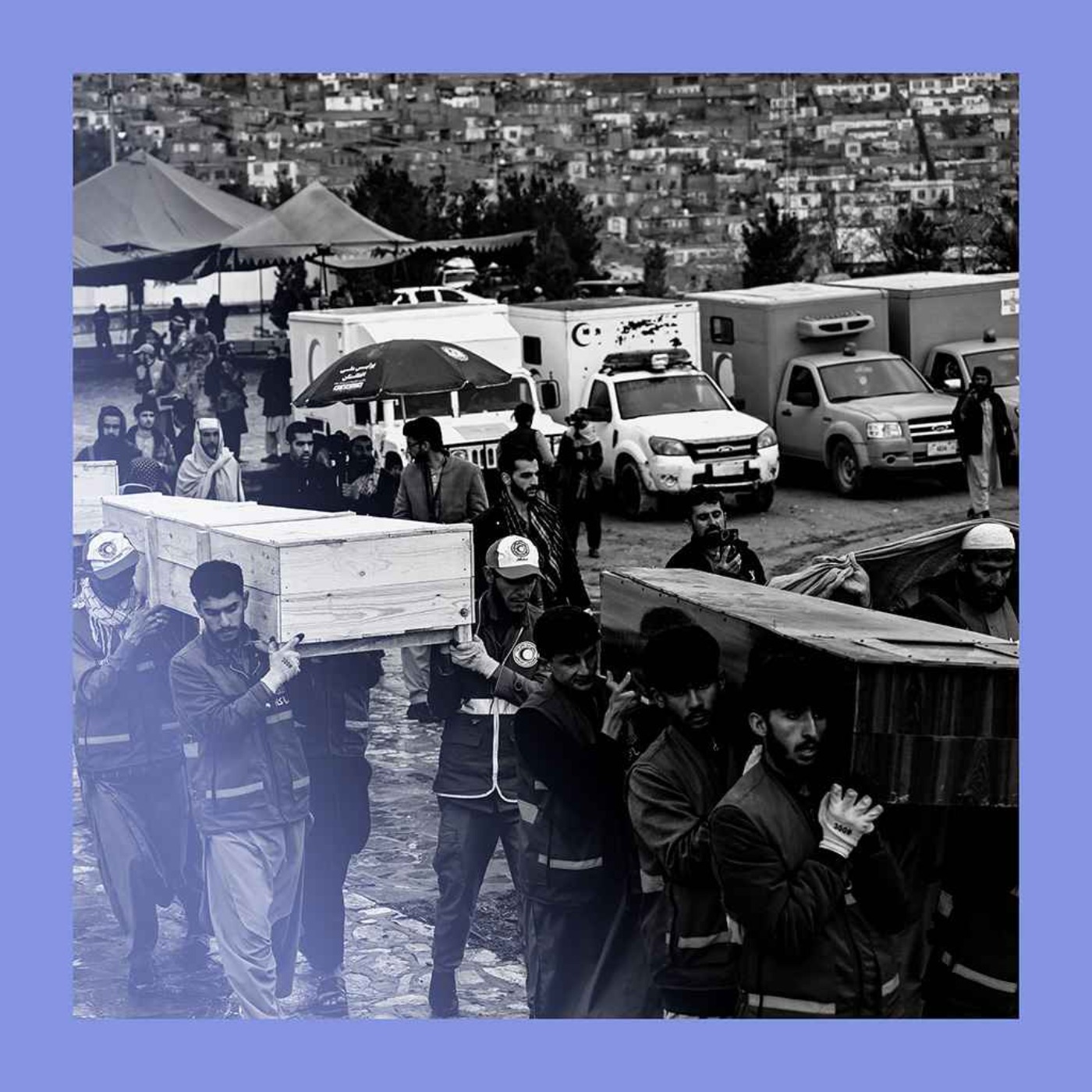
Both Pakistan and Afghanistan are highly exposed to the economic fallout from the war in Iran. Pakistan faces an energy shock, while Afghanistan relies on Iran for food and building materials. This shared vulnerability may compel both sides to seek an off-ramp to their own escalating conflict.
Related Insights
The market's immediate reaction to the Middle East conflict has been to price in higher inflation due to spiking energy costs. However, it has not yet priced in a significant economic growth shock. This second-order effect, the "shoe that's left to drop," represents a major future risk if the conflict persists.

The current conflict between Pakistan and Afghanistan is complicated by a history of shifting alliances. Many Taliban leaders now being targeted by Pakistan's military once found refuge in Pakistan with the support of the country's security services during the US and NATO mission in Afghanistan, illustrating the region's complex dynamics.
Adversaries now understand that Western financial markets are a key vulnerability. Iran is incentivized to attack energy infrastructure not just for physical disruption, but to directly target market sentiment and trigger financial instability, making economic warfare a primary strategy.

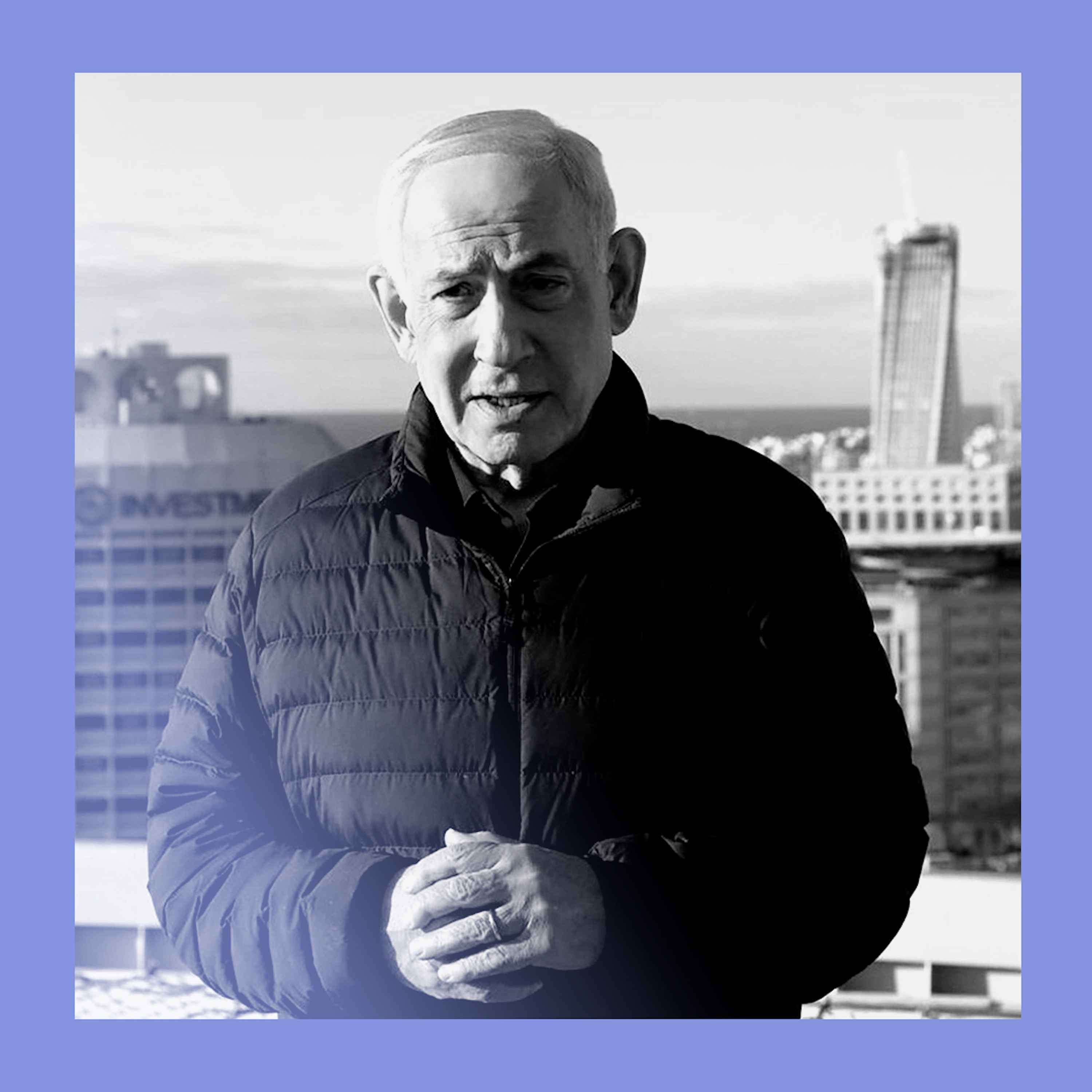
While currently aligned, the long-term interests of Israel and the US in a war with Iran could split. Israel seeks total elimination of Iran's missile threat, implying a prolonged conflict. The US, however, may have less tolerance for a drawn-out war due to concerns about its impact on global energy prices and the economy.
The primary force preventing a collapse of the Iranian regime isn't its own strength, but fear among its neighbors. Countries like Turkey and Pakistan worry a collapse would lead to a massive refugee crisis and empower separatist movements on their borders, creating a strong regional bias for stability.

In a counter-intuitive twist, Iran is the primary beneficiary of the oil disruption it helped create. While rivals like Saudi Arabia have had to shut in production because they cannot export, Iran continues to export its oil, weakening its financial incentive to de-escalate the conflict.

The immediate oil price risk from the Iran conflict isn't just the temporary blockage of the Strait of Hormuz. The greater danger is a kinetic strike that damages critical infrastructure like pipelines or ports, which would take significant time to repair and create a prolonged supply crisis.
A single major geopolitical event, like the discussed Iran conflict, can simultaneously and rapidly reverse numerous positive, interconnected economic indicators. This demonstrates the extreme fragility of prevailing market storylines, flipping everything from energy prices and equity performance to inflation and central bank policy.

China's extreme reliance on oil from Iran and Venezuela (20% of domestic consumption) makes it the party most hurt by the conflict. This gives the US leverage, pressuring Xi Jinping to negotiate a resolution to secure China's energy supply and stabilize its economy.

Iran's attacks on Gulf states are a calculated strategy to distribute the conflict's costs. By disrupting commerce, tourism, and daily life across the region, Tehran hopes to generate enough pressure from Gulf leaders on the US to end the war with security guarantees for Iran.
