Get your free personalized podcast brief
We scan new podcasts and send you the top 5 insights daily.
Regardless of intent, military actions like bombings create personal tragedies that radicalize individuals. This blowback is an unavoidable consequence of war, leading to revenge attacks and perpetuating the conflict, a factor often underestimated in strategic planning.

Related Insights
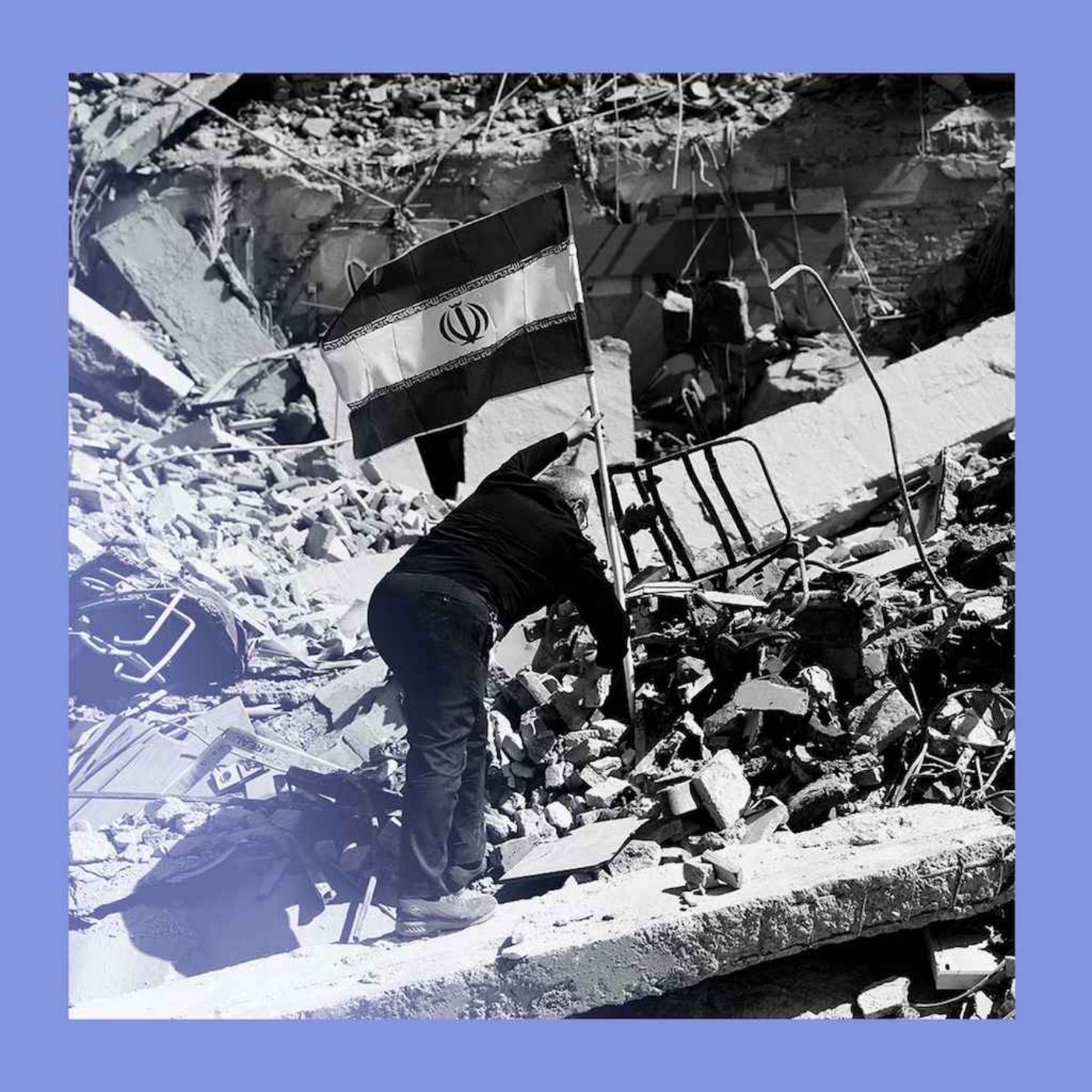
The bombing campaign, aimed at regime change, could be counterproductive. Prior to the conflict, Iran's regime was seen as unpopular and frail, potentially heading for collapse or moderation. The external attack risks creating a rally-round-the-flag effect, allowing the regime to consolidate power where mere survival becomes a victory.
Unlike historical conflicts with pitted armies, a contemporary American civil war would manifest as exploding political violence. The key dynamic is that state attempts to suppress this violence would themselves become a primary cause for more violence, creating a dangerous feedback loop seen in conflicts in Algeria, Vietnam, and Syria.

Targeting a regime's leader, assuming it will cause collapse, is a fallacy. Resilient, adaptive regimes often replace the fallen leader with a more aggressive individual who is incentivized to lash back simply to establish their own credibility and power.

Sending troops after an attack in Nigeria can be counterproductive. The military is too overstretched to maintain a presence, so the intervention often provokes reprisal attacks against local communities once the soldiers have left, increasing long-term risk for civilians.

Destroying Iran's conventional military without toppling the regime could create a cornered, vengeful state. Lacking other options and led by a leader whose father was just killed, it might turn to asymmetric warfare like terrorism to retaliate for its humiliation and losses.

Violent acts are not random; they often represent the logical conclusion within a person's specific frame of reference. If an ideology convinces someone they are fighting a Hitler-like evil, then assassination becomes a moral duty, not a crime. The danger lies in these justifying belief systems.

Initial military actions, like successful bombings, can feel like victories. However, they often fail to solve the core political issue, trapping leaders into escalating the conflict further to achieve the original strategic goal, as they don't want to accept failure.
Viewing the conflict as two rational sides in a misunderstanding is flawed. Both sides see the other as an existential threat and are willing to use extreme violence to achieve their goals. This reframes the narrative from a political dispute to a primal, violent tribal conflict where both sides see themselves as righteous.

In the aftermath of political violence, the targeted group often mirrors the very dehumanizing tactics they condemn. While correctly identifying an attacker's ideology, they risk escalating the conflict by applying labels like 'evil' to the entire opposing side, thus perpetuating the cycle of radicalization that fuels violence.

In times of extreme polarization, the political middle is not a safe haven but a kill zone. Moderates are targeted by both sides because they have no tribe to defend them. The escalating cost of neutrality forces everyone to pick a side, eliminating compromise and accelerating conflict.