While events like the pandemic, the Ukraine war, and the Iran conflict are individually unique, their rapid succession conditions the public to expect continuous price shocks. This transforms transitory inflation into a deep-rooted psychological problem for central banks, as people stop seeing these events as isolated.
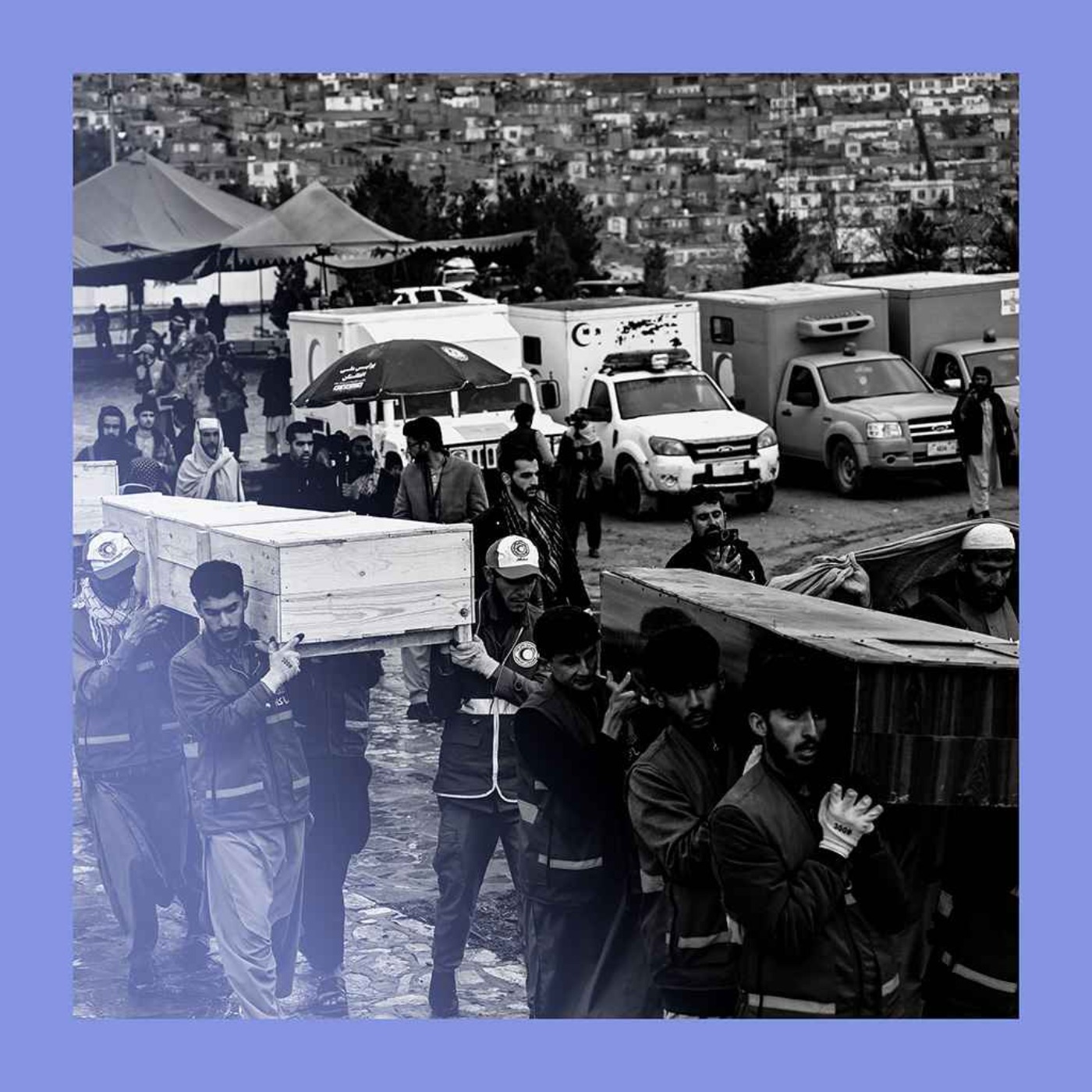
Both Pakistan and Afghanistan are highly exposed to the economic fallout from the war in Iran. Pakistan faces an energy shock, while Afghanistan relies on Iran for food and building materials. This shared vulnerability may compel both sides to seek an off-ramp to their own escalating conflict.
In the streaming era, where physical sales are crucial for chart placement, listening parties have evolved from industry previews to key marketing events. By creating buzz and encouraging fans to buy physical albums, these events contribute a significant 10% to 20% of an album's vital first-week sales figures.
Central bankers are caught in a tug-of-war. The slow reaction to the 2022 energy shock taught them to act decisively against inflation by raising rates. However, intense political pressure may push them to keep rates low, creating a difficult choice between applying learned economic prudence and ensuring political survival.
The current conflict between Pakistan and Afghanistan is complicated by a history of shifting alliances. Many Taliban leaders now being targeted by Pakistan's military once found refuge in Pakistan with the support of the country's security services during the US and NATO mission in Afghanistan, illustrating the region's complex dynamics.