Get your free personalized podcast brief
We scan new podcasts and send you the top 5 insights daily.
While the operation occurred in Venezuela, its primary psychological impact may be on Iran. The Iranians are reportedly "terrified," viewing the successful removal of a hostile leader as a direct threat and a plausible preview of future U.S. action against them.

Related Insights
The successful removal of Maduro is a significant failure for Cuban intelligence services, which have a long history of protecting allied regimes in Latin America. For decades, Cuba has 'punched above its weight,' providing a security shield to leaders like Maduro. This event raises questions about the decline of their once-feared capabilities.
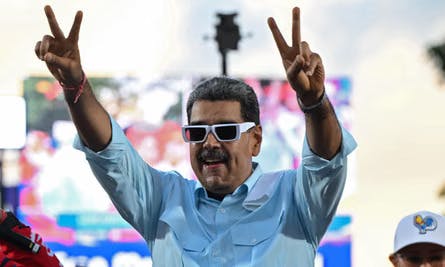
The removal of Maduro was a technological showcase, employing cyber tools to knock out power and air defenses, communications jamming, and suicide drones. This demonstrates a significant evolution in U.S. military capabilities beyond conventional special operations.
The U.S. operation to capture Maduro serves as a real-world case study for China's potential 'decapitation' strike against Taiwan. China has already rehearsed such scenarios in mock-ups of Taipei's presidential palace. This event demonstrates the feasibility of a quick, surgical strike, which is more aligned with the CCP's goals than a costly amphibious invasion.
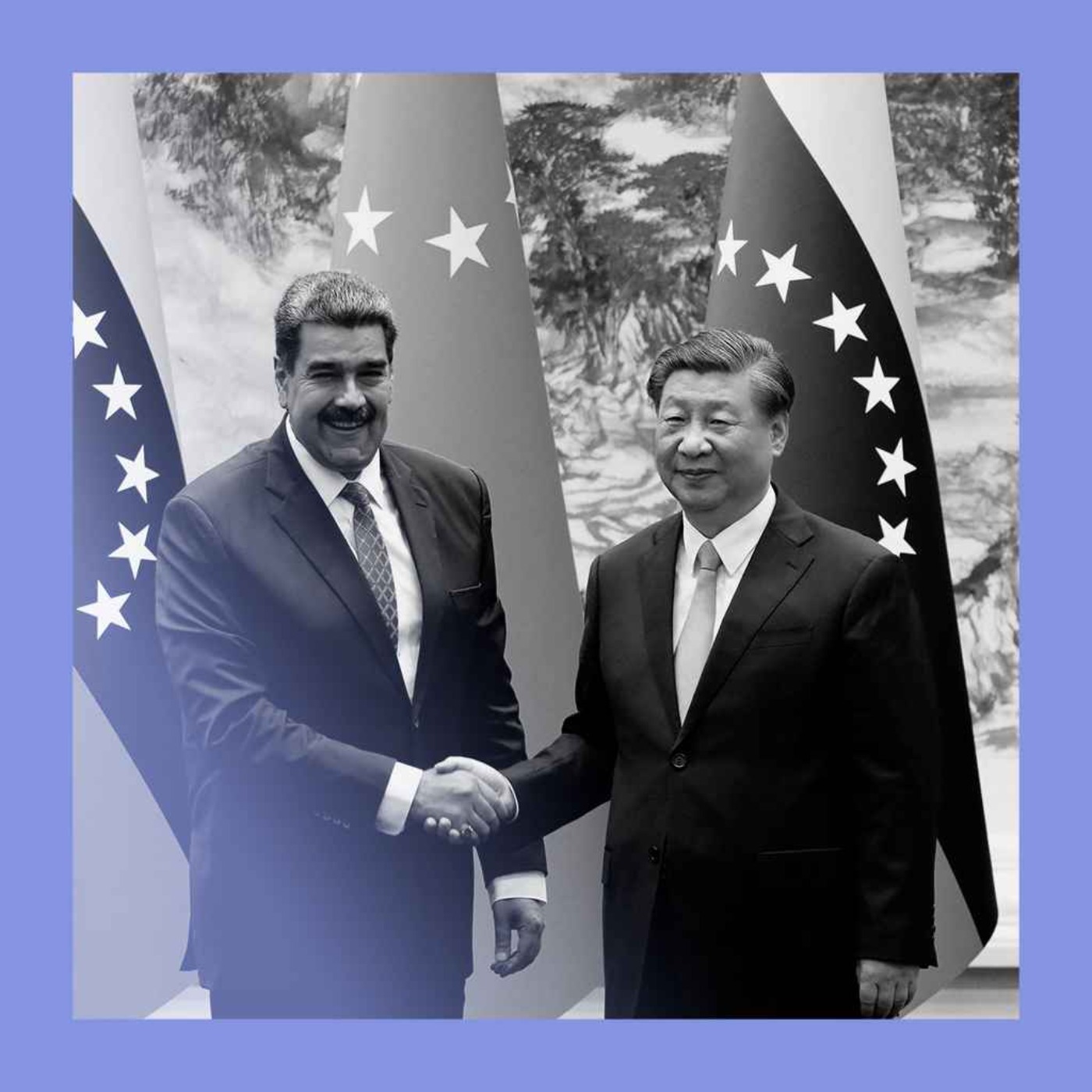
The American action in Venezuela was likely a strategic message to other nations, particularly in Latin America, that an alliance with China does not guarantee protection from US intervention and may carry unforeseen downsides.
Authoritarian leaders who publicly mock or dismiss threats risk triggering a military response driven by personal pride. Venezuelan President Maduro's televised dancing was reportedly perceived by the Trump administration as calling their bluff, demonstrating how avoiding the appearance of being a 'chump' can become a primary motivator for military action.
Despite the public focus on oil, the primary goal of removing Maduro was likely to demonstrate U.S. primacy in the Western Hemisphere. The action serves as a strong signal that the U.S. is willing to act aggressively to enforce its influence in the region.
The "absolutely clinical" US raid to capture Venezuela's president is lauded as a military success. However, historical precedents from Afghanistan in 2001 and Iraq in 2003 show that initial military prowess in toppling a regime is no guarantee of long-term strategic success, which depends on far more complex political factors.
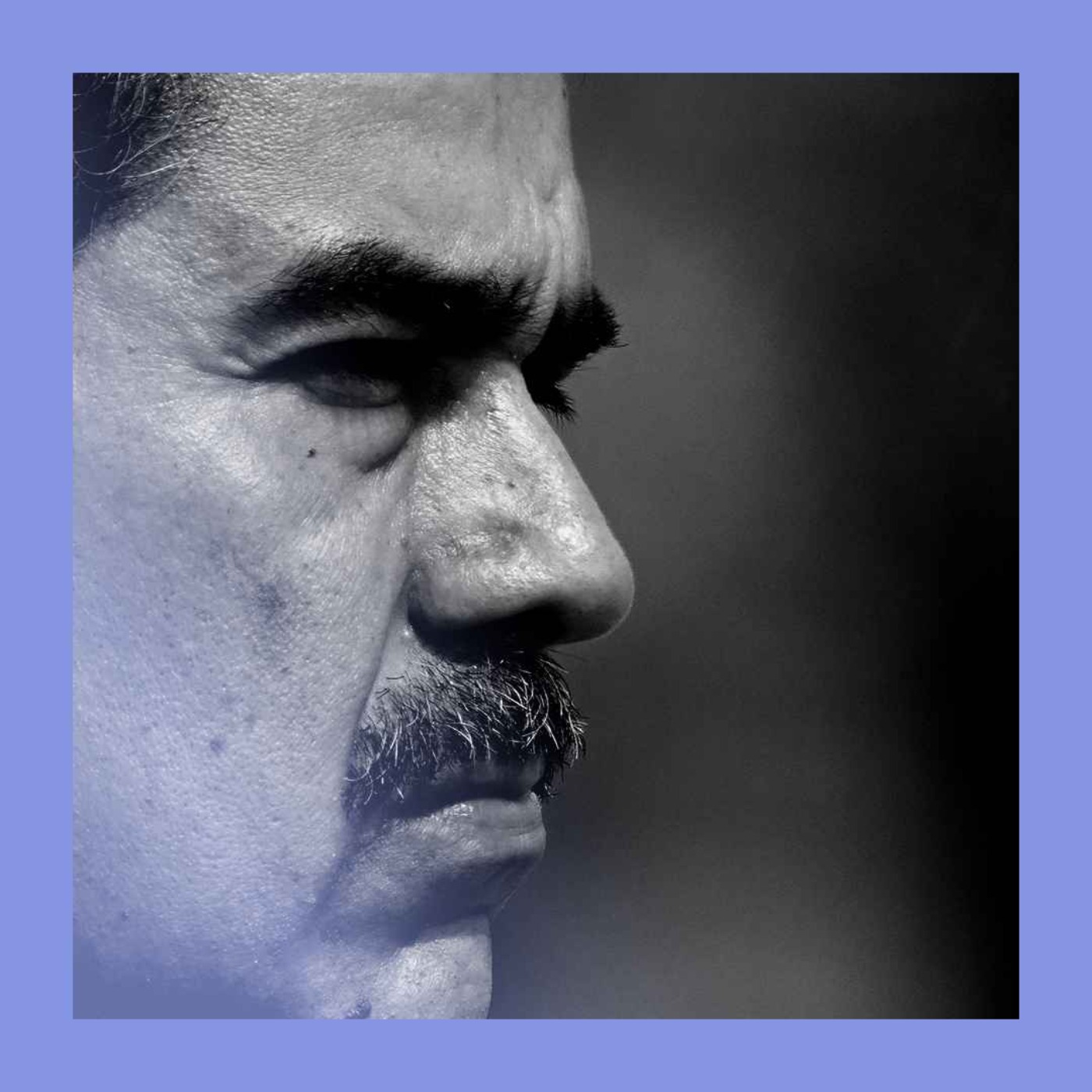
By demonstrating a willingness to take extraordinary unilateral action, the U.S. makes previously outlandish threats—like those concerning Cuba or Greenland—seem newly credible. This strategic ambiguity creates leverage and increases U.S. bargaining power globally.
Executing complex military operations publicly reveals sensitive tactics, techniques, and procedures (TTPs). Adversaries like Russia and China study these events to deconstruct US capabilities, from mission sequencing to electronic warfare. This exposure of the 'revolver's shots' depletes the element of surprise for future, more critical conflicts.
The US action to remove Maduro was not a traditional regime change. The goal was to eliminate the leader personally while leaving his party and government apparatus largely intact, suggesting a strategic choice to avoid the instability of a full power vacuum.