Get your free personalized podcast brief
We scan new podcasts and send you the top 5 insights daily.
Contrary to expectations of isolationism, the "America First" movement led to an acceleration of U.S. interventionism. The administration's actions were driven by a complex mix of macroeconomic constraints and personality-driven goals, not a simple withdrawal from the world stage.

Related Insights
Trump’s national security strategy subtly resurrected the 'Roosevelt Corollary' of 1904. This doctrine extends the Monroe Doctrine by asserting the U.S. right to proactively change governments it dislikes in the Western Hemisphere, signaling a return to a more interventionist and sphere-of-influence-based foreign policy.

Trump's 'America First' platform was not a random occurrence but a predictable backlash against the US establishment's post-Cold War excesses. Policies like 'hyper-globalization' and 'forever wars' created domestic discontent and a loss of faith in traditional foreign policy, which Trump successfully exploited.

A major part of Trump's political brand was his opposition to costly, "endless wars" and nation-building. The large-scale military operation in Iran represents a complete departure from this philosophy, raising questions about what prompted such a fundamental and unexplained shift in his foreign policy.
The 'Donroe Doctrine' is not a contradiction of an 'America First' platform but its logical extension. The administration's view is that the US cannot be the preeminent global power without first being the preeminent regional power. Consolidating influence in the Western Hemisphere is seen as a necessary foundation for projecting power globally.

Despite dismantling traditional aid programs to save taxpayer money, Trump's new strategy of bailing out allies, countering China, and securing supply chains is projected to be incredibly expensive. This new approach of weaponized aid could ultimately exceed previous USAID spending levels, contradicting its cost-saving premise.
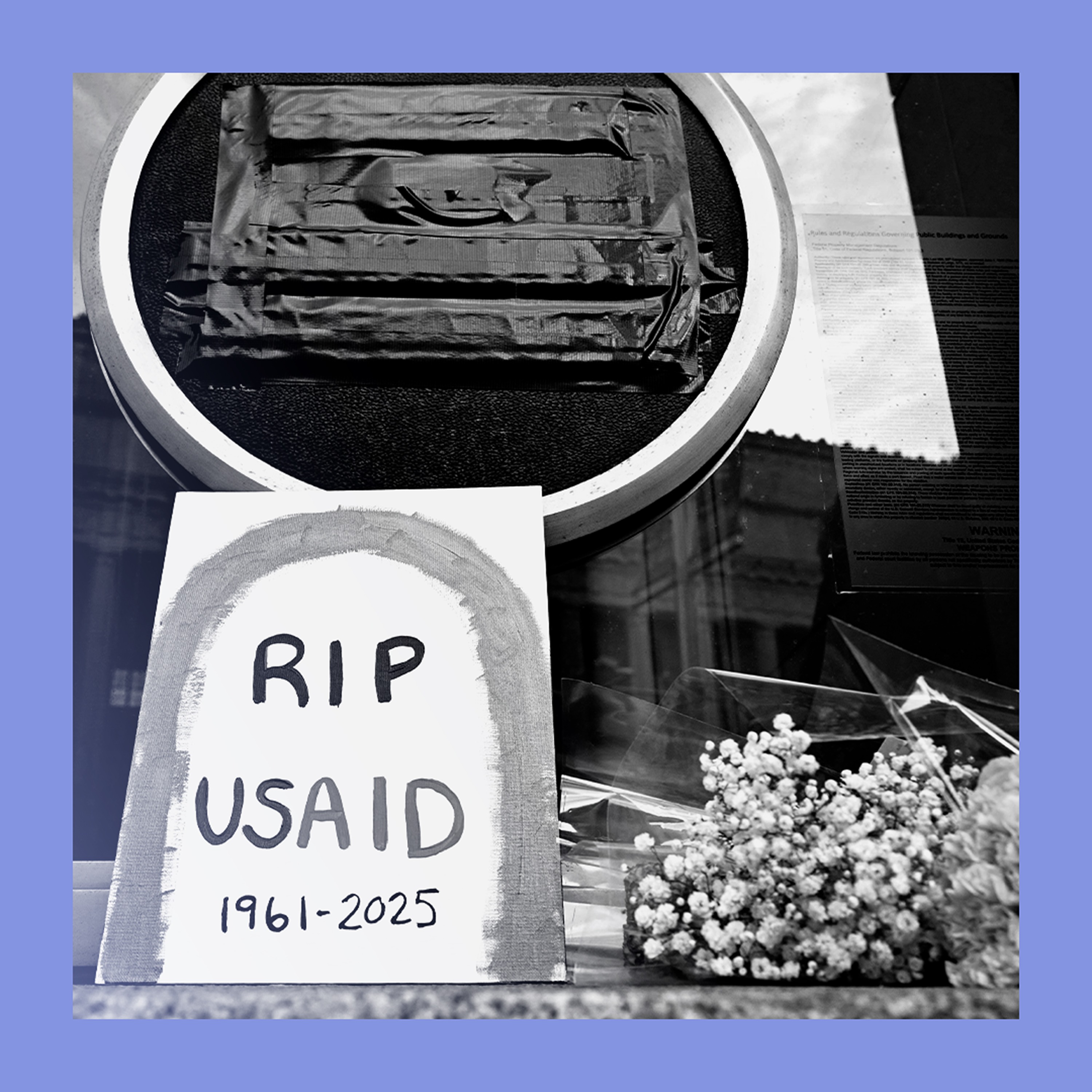
The long-standing Monroe Doctrine is being superseded by a "Trump Doctrine." This new worldview prioritizes hemispheric dominance, unilateralism, and proactive intervention for specific economic and security interests (e.g., controlling immigration, securing vital assets), fundamentally changing how America views its sphere of influence.
The US's global power is eroding due to debt and inflation. Trump's aggressive foreign policy is not random; it's a high-risk strategy to press America's current advantage and re-establish dominance before rivals like China can take over. The only alternative is accepting a managed decline.

The US military operation in Venezuela is interpreted as a display of global military dominance aimed at China and Russia. This action suggests a strategic pivot towards becoming a global empire rather than retreating to a regional, isolationist Monroe Doctrine.

The administration's approach is not simple isolationism. While demanding a dominant sphere of influence in the Western Hemisphere, Trump also maintains the desire for unhindered freedom of action globally, such as mediating conflicts far from US shores. This creates a hybrid policy of 'dominance at home and freedom to roam abroad.'
Contrary to the isolationist interpretation, "America First" under Trump is a doctrine of pragmatic, and often aggressive, foreign intervention. It justifies actions like controlling another country's resources if they are deemed critical to American national security or economic stability.
