Get your free personalized podcast brief
We scan new podcasts and send you the top 5 insights daily.
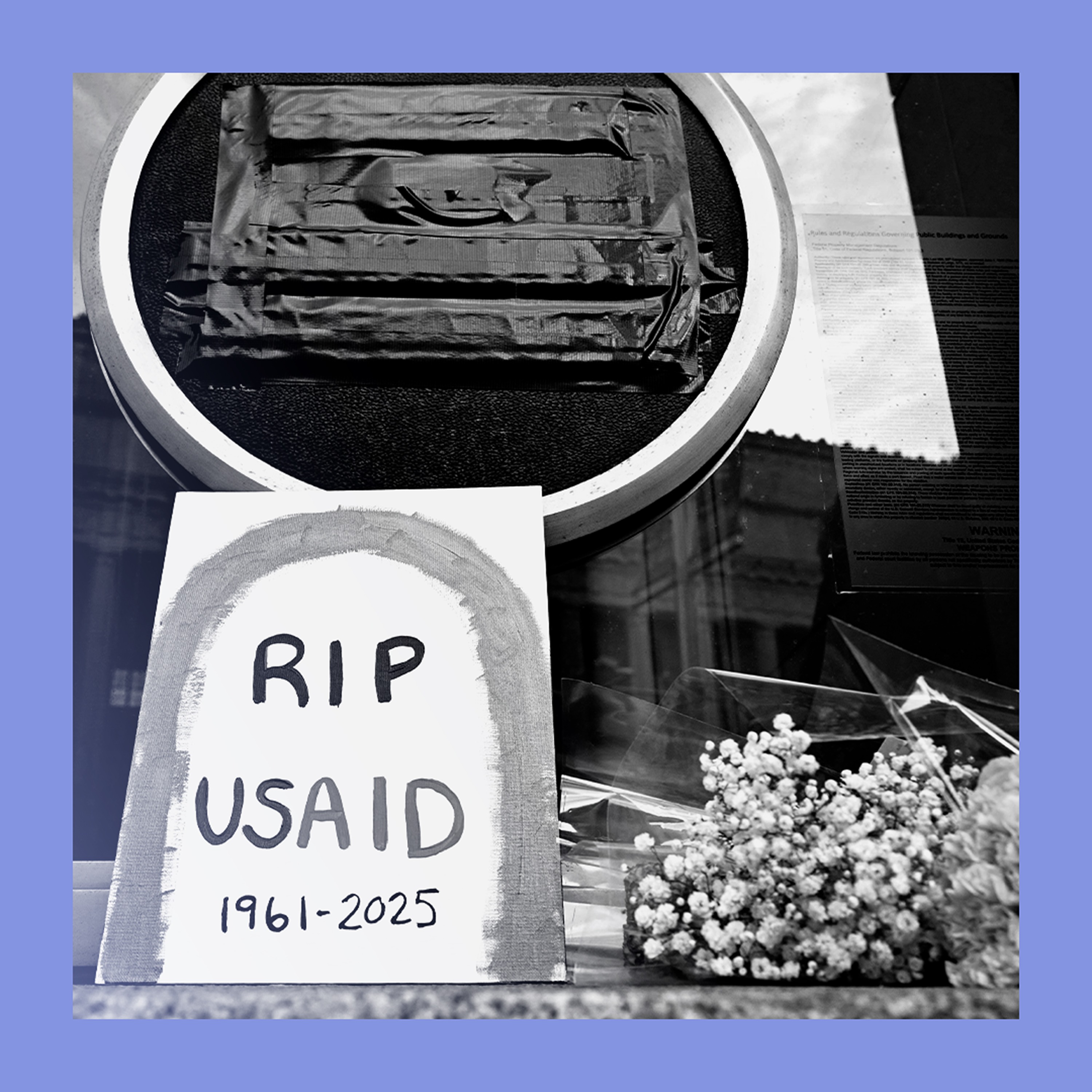
Despite dismantling traditional aid programs to save taxpayer money, Trump's new strategy of bailing out allies, countering China, and securing supply chains is projected to be incredibly expensive. This new approach of weaponized aid could ultimately exceed previous USAID spending levels, contradicting its cost-saving premise.
Related Insights
The tariff war was not primarily about revenue but a strategic move to create an "artificial negotiating point." By imposing tariffs, the U.S. could then offer reductions in exchange for European countries committing to American technology and supply chains over China's growing, low-cost alternatives.

While publicly announcing a trade truce with China, the Trump administration simultaneously signed deals with other Asian nations to diversify supply chains and bolster defense partnerships, effectively preparing for future confrontation with Beijing.
Tariffs on foreign goods, combined with 'Buy America' provisions for a port modernization project, had the unintended effect of massively increasing costs. Even though the project used domestic steel, tariffs on foreign steel allowed U.S. suppliers to raise their prices, contributing to the project's budget ballooning from $400 million to $2.5 billion.

The US faces a stark choice driven by its fiscal reality. It can either reindustrialize around the military-industrial complex, selling weapons to profit from global conflicts, or continue sending aid abroad, accelerating its path to bankruptcy and the collapse of domestic social programs.

Instead of sending aid, the US could profit from global conflicts by becoming the primary manufacturer and seller of weapons. This approach would re-industrialize the nation, create high-paying jobs in the military-industrial complex, and generate revenue without direct military intervention or sending cash abroad.
Unlike previous administrations that used trade policy for domestic economic goals, Trump's approach is distinguished by his willingness to wield tariffs as a broad geopolitical weapon against allies and adversaries alike, from Canada to India.

For decades, a tacit global agreement existed: the U.S. buys the world's goods and provides security, and in return, the world finances U.S. debt by buying Treasuries. As U.S. policy shifts towards protectionism and reduced global policing, other nations may no longer feel obligated to fund U.S. deficits, pushing borrowing costs higher.
The loss of US aid didn't just defund specific projects; it dismantled an entire operational 'architecture.' The collapse of shared resources, like UN-funded logistics and transportation, created cascading failures across the sector, showing how the entire humanitarian value chain can depend on a single keystone funder.
The U.S. is shifting from multilateral institutions to direct financial action as a foreign policy tool. The unprecedented $20 billion bailout for Argentina, replacing the typical role of the IMF, demonstrates a new strategy of using America's financial might to directly support ideologically aligned foreign leaders.
Far from being a precise tool against China, recent US tariffs act as a blunt instrument that harms America's own interests. They tax raw materials and machine tools needed for domestic production and hit allies harder than adversaries. This alienates partners, disrupts supply chains, and pushes the world towards a 'World Minus One' economic coalition excluding the US.
