Get your free personalized podcast brief
We scan new podcasts and send you the top 5 insights daily.
The long-standing Monroe Doctrine is being superseded by a "Trump Doctrine." This new worldview prioritizes hemispheric dominance, unilateralism, and proactive intervention for specific economic and security interests (e.g., controlling immigration, securing vital assets), fundamentally changing how America views its sphere of influence.
Related Insights
Under Trump, the primary tool for projecting U.S. power is shifting from economic instruments like tariffs to direct military, intelligence, and cyber capabilities. This "Donroe Doctrine" leverages America's asymmetrical advantages in these areas, especially in its hemisphere, to achieve foreign policy wins without relying on economic coercion.
The U.S. has a historical pattern of turning its focus back to the Western Hemisphere after periods of global overreach or crisis, such as after the Great Depression, Vietnam, and the War on Terror. This retreat is a way to reassert power in its immediate sphere of influence when its global ambitions falter.

Unlike predecessors who framed foreign policy within a broader worldview (e.g., democracy promotion), Trump's approach is purely transactional and theatrical. It lacks a moral or ideological justification, instead focusing on demanding tribute, like oil from Venezuela, to appeal to a nationalist base without building a durable governing coalition.
The original Monroe Doctrine was a defensive policy born from a position of weakness relative to European powers. Reframing it today as a core U.S. foreign policy pillar represents a significant scaling down of American global ambition, not a return to greatness.

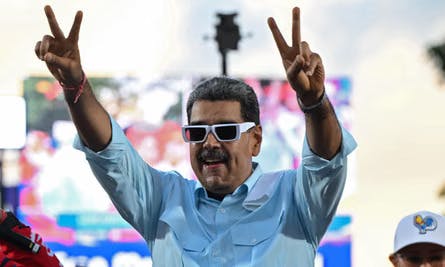
Despite the public focus on oil, the primary goal of removing Maduro was likely to demonstrate U.S. primacy in the Western Hemisphere. The action serves as a strong signal that the U.S. is willing to act aggressively to enforce its influence in the region.
Unlike past administrations that used pretexts like 'democracy,' the Trump administration openly states its transactional goals, such as seizing oil. This 'criming in plain sight' approach is merely an overt version of historical covert US actions in regions like Latin America.

A new US national security document signals a radical foreign policy shift. It explicitly states the US will support "right wing, far right and populist right parties" in Europe that align with its anti-immigration stance, effectively interfering in the domestic politics of allied nations to promote a "MAGA like" Europe.
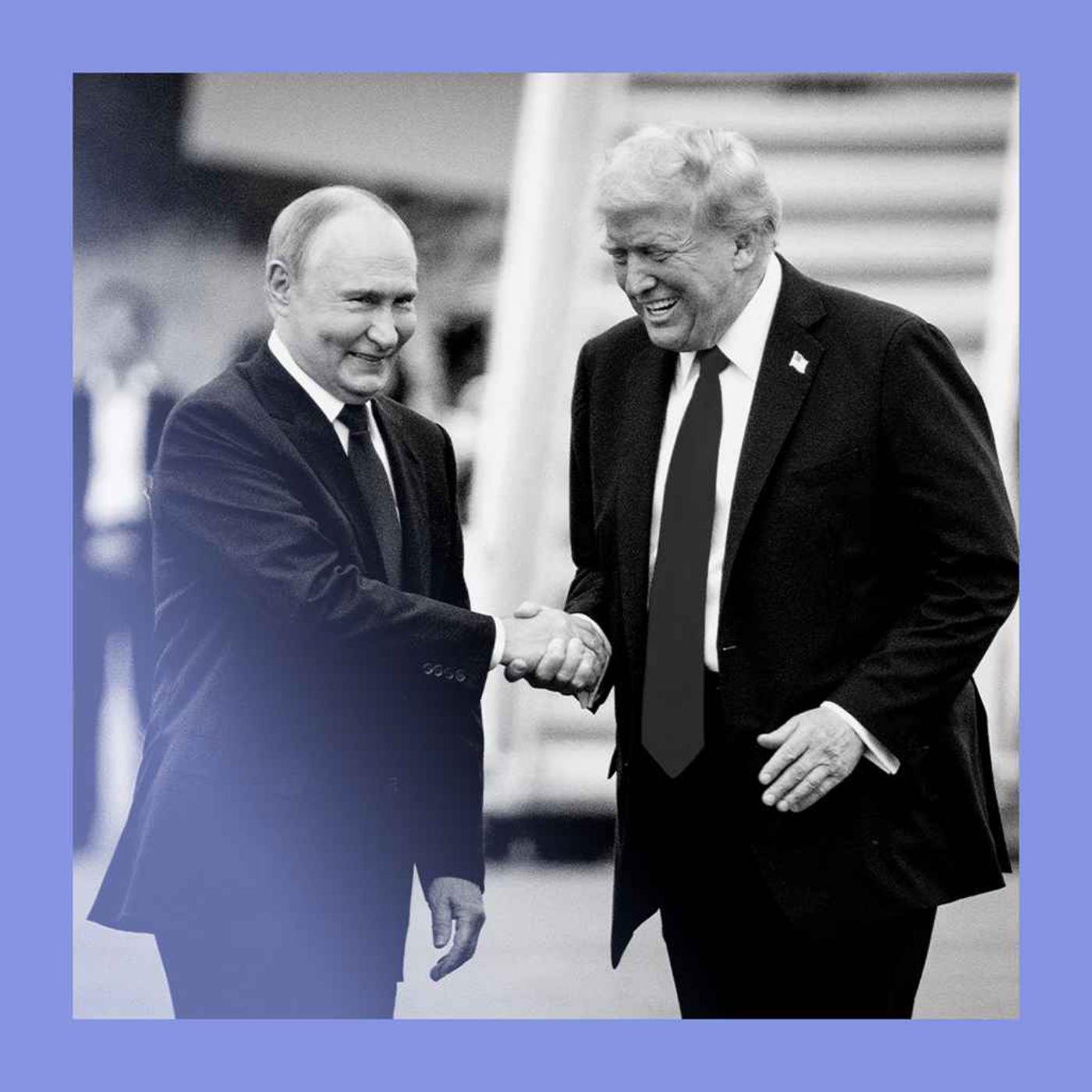
Marco Rubio articulated Trump's foreign policy as a 'spheres of influence' model, a modern Monroe Doctrine. This framework cedes global leadership, envisioning a world where the U.S. controls the West, Russia controls its territory and Europe, and China controls Asia. This marks a fundamental shift from America's post-WWII role as a global superpower to a regional one.

The conflict is not primarily about oil or drugs, but a strategic move to reassert U.S. dominance in the Western Hemisphere. As China solidifies its influence in the East, the U.S. is 'drawing a line' to counter China's partnerships (like with Venezuela) in its own sphere of influence.
The administration's aggressive posture in Latin America is framed not by traditional security interests but by a desire to curb migration. This reflects a core white nationalist belief that demographic shifts pose an existential threat to the US, making immigration control a primary national security objective, viewing Venezuela as an exporter of people, not oil.