Get your free personalized podcast brief
We scan new podcasts and send you the top 5 insights daily.
Contrary to the image of mercenaries as universally brutal, data shows that private military companies based in democratic countries are associated with a 66% lower rate of civilian victimization compared to those from non-democracies, likely due to corporate accountability and reputational concerns.
Related Insights
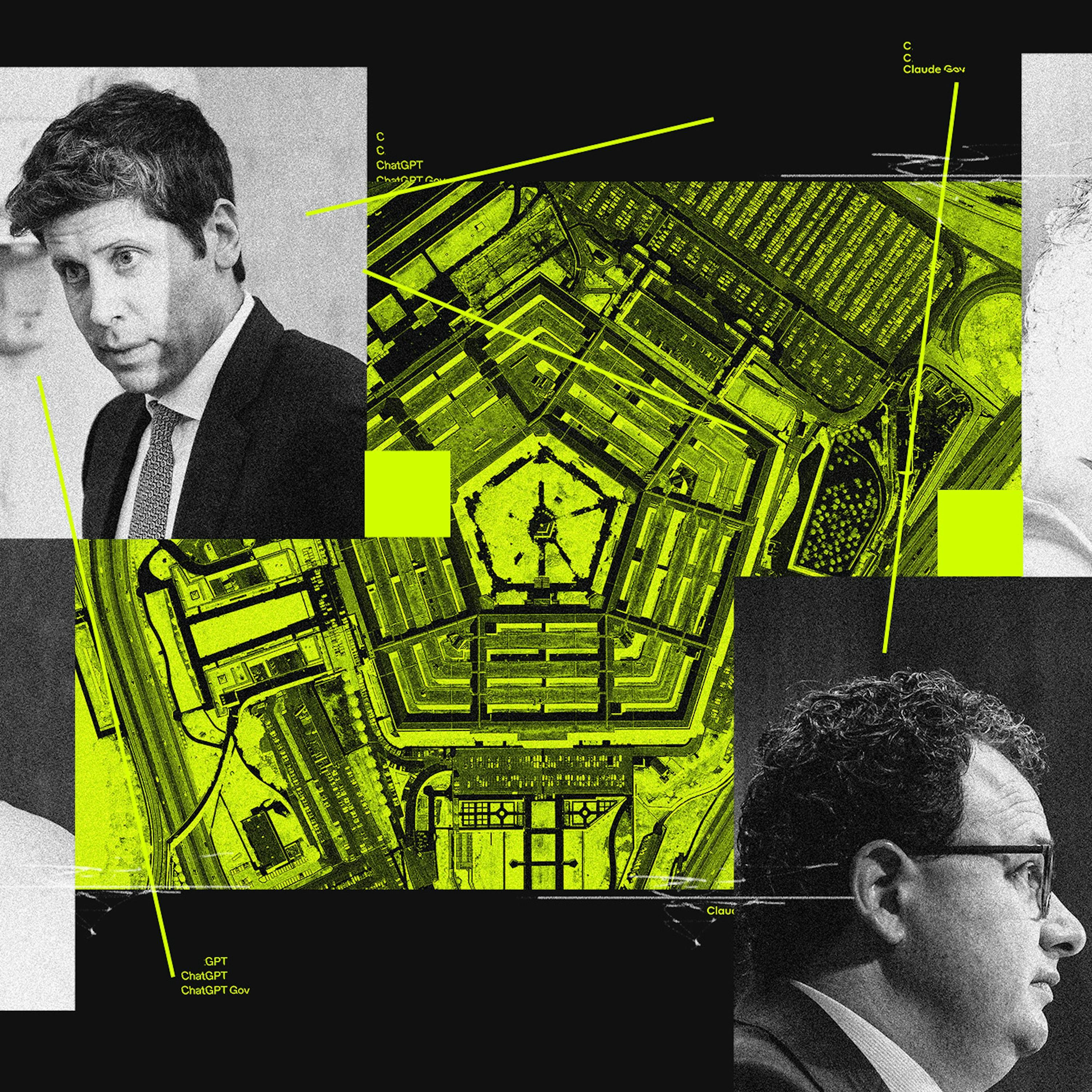
Claims by AI companies that their tech won't be used for direct harm are unenforceable in military contracts. Militaries and nation-states do not follow commercial terms of service; the procurement process gives the government complete control over how technology is ultimately deployed.
Data reveals an "inverted U-shape" for political and economic stability. Both strong democracies and full autocracies are relatively stable. The most dangerous and volatile environment for business and society is the “anocracy” in the middle, which suffers from lower growth, lower investment, and higher rates of violence.

Official fatality counts rely on media reports, which are sparse in conflict zones with poor telecommunications. This leads to severe underreporting of deaths and creates absurd data artifacts where stable countries can appear more dangerous than war-torn nations.

Modern multinationals avoid the high cost and risk of securing foreign markets themselves. Instead, they 'draft' behind the U.S. government, which uses its diplomatic and military power to create favorable conditions. This effectively socializes geopolitical risk for corporations while they privatize the profits.

The Mexican government's headline statistic on falling murder rates is misleading. A more comprehensive analysis including 'disappeared' persons, femicides, and manslaughter reveals a much more modest, though still significant, decline. This highlights how official data can obscure the full reality of a security situation.

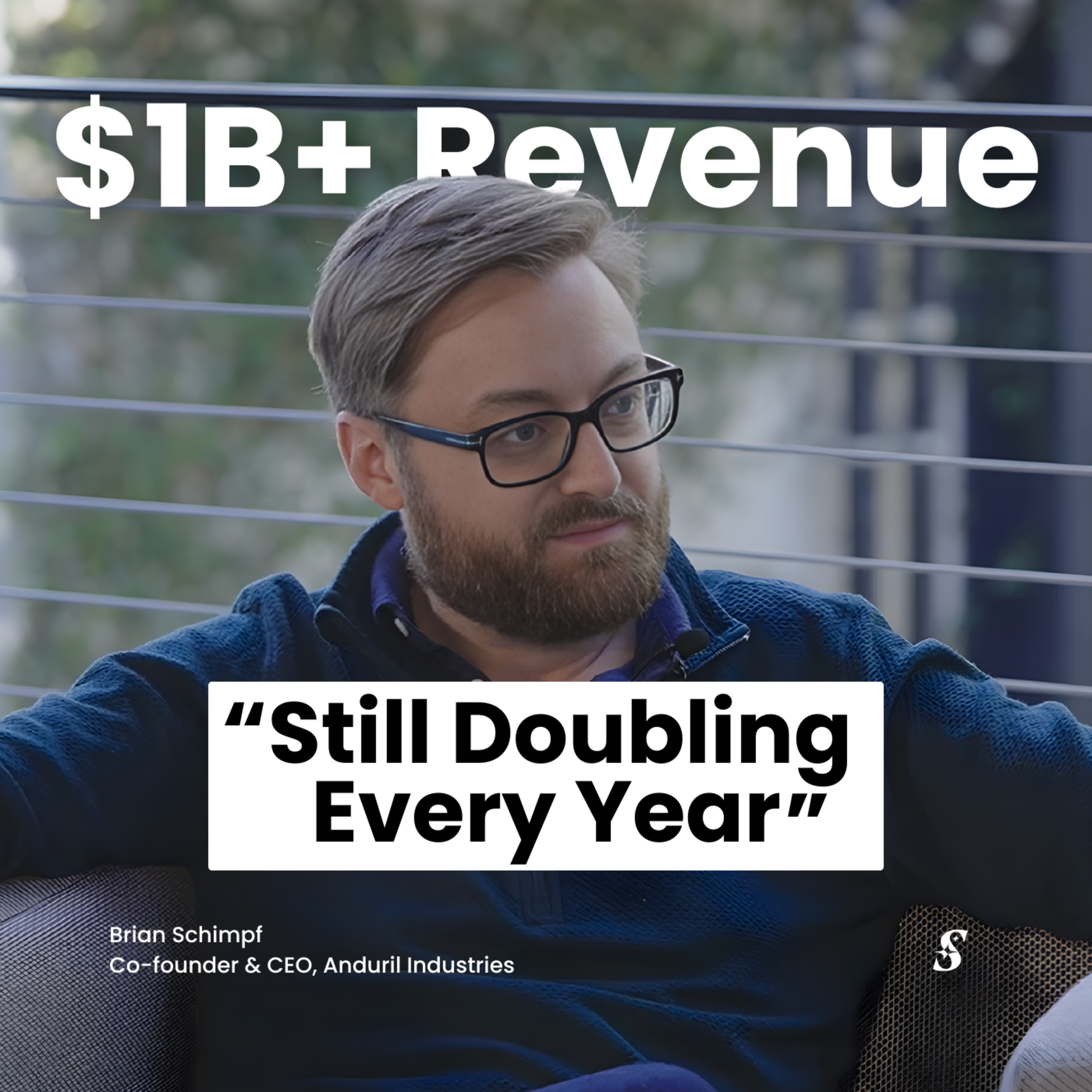
Anduril advocates for performance-based contracts, a controversial model in government where payment is contingent on the product working. This forces internal accountability and aligns their interests with the customer's, contrasting with traditional cost-plus models that place all risk on the government.
Don't expect corporate America to be a bulwark for democracy. The vast and growing wealth gap creates an overwhelming incentive for CEOs to align with authoritarians who offer a direct path to personal enrichment through cronyism, overriding any commitment to democratic principles.

Countering the common narrative, Anduril views AI in defense as the next step in Just War Theory. The goal is to enhance accuracy, reduce collateral damage, and take soldiers out of harm's way. This continues a historical military trend away from indiscriminate lethality towards surgical precision.

A CIA task force analyzed 38 variables to predict political instability, including common assumptions like poverty and inequality. They found only two were highly predictive: 1) a country being a partial democracy, or “anocracy,” and 2) its political parties organizing around identity (race, religion) rather than ideology.
The primary driver for hiring private military contractors is not just deniability but massive cost savings. By avoiding long-term commitments like pensions and comprehensive healthcare, a single PMC becomes approximately seven times cheaper than a member of the national armed forces.