Get your free personalized podcast brief
We scan new podcasts and send you the top 5 insights daily.
The primary driver for hiring private military contractors is not just deniability but massive cost savings. By avoiding long-term commitments like pensions and comprehensive healthcare, a single PMC becomes approximately seven times cheaper than a member of the national armed forces.
Related Insights
Contrary to the image of mercenaries as universally brutal, data shows that private military companies based in democratic countries are associated with a 66% lower rate of civilian victimization compared to those from non-democracies, likely due to corporate accountability and reputational concerns.
The conflict in Ukraine exposed the vulnerability of expensive, "exquisite" military platforms (like tanks) to inexpensive technologies (like drones). This has shifted defense priorities toward cheap, mass-producible, "attritable" systems. This fundamental change in product and economics creates a massive opportunity for startups to innovate outside the traditional defense prime model.

The nearly trillion-dollar US defense budget is misleading. The vast majority is locked into fixed costs like salaries, facilities, and sustaining legacy systems. The actual procurement budget for new technology is at a historic low as a percentage of GDP, constraining modernization.

While furloughed federal employees are typically guaranteed back pay after a shutdown, government contractors are often not. These individuals, who perform similar work without the same protections, face a permanent loss of income, highlighting a significant and often overlooked inequity in how shutdown risks are distributed.

Leading AI companies, facing high operational costs and a lack of profitability, are turning to lucrative government and military contracts. This provides a stable revenue stream and de-risks their portfolios with government subsidies, despite previous ethical stances against military use.

Modern multinationals avoid the high cost and risk of securing foreign markets themselves. Instead, they 'draft' behind the U.S. government, which uses its diplomatic and military power to create favorable conditions. This effectively socializes geopolitical risk for corporations while they privatize the profits.

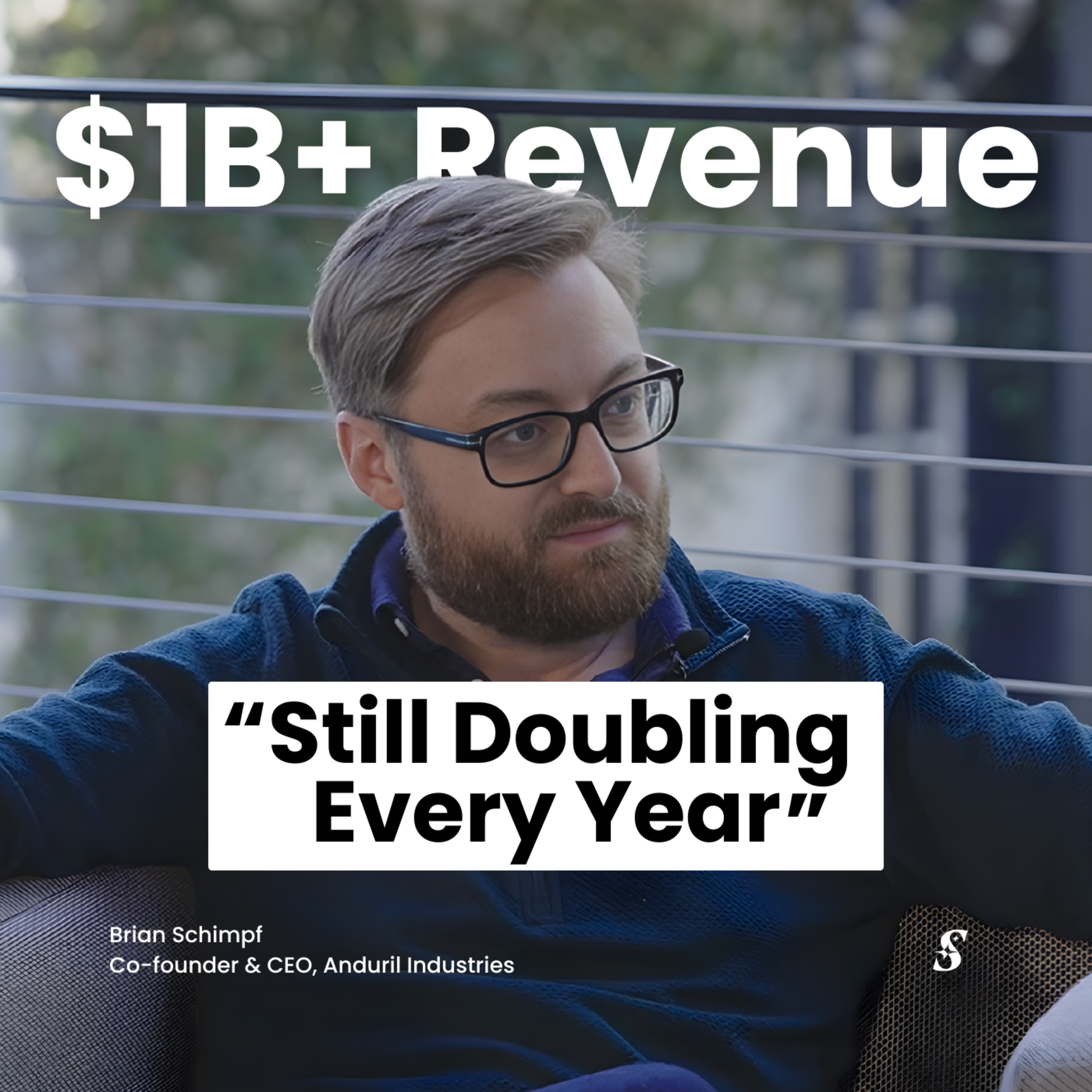
Unlike traditional contractors paid for hours, Anduril invests its own capital to build products it believes the government needs. This model incentivizes speed and effectiveness, as profit is tied to successful products, not billable hours. This shifts the financial risk from the taxpayer to the company.

Unlike traditional contractors paid for time and materials, Anduril invests its own capital to develop products first. This 'defense product company' model aligns incentives with the government's need for speed and effectiveness, as profits are tied to rapid, successful delivery, not prolonged development cycles.
Traditional defense primes are coupled to customer requirements and won't self-fund speculative projects. "Neo primes" like Epirus operate like product companies, investing their own capital to address military capability gaps, proving out new technologies, and then selling the finished solution.

The perception of the defense budget as a massive fund for new technology is incorrect. More than half is allocated to fixed costs like personnel, facilities, and maintaining old equipment. The actual procurement budget for new systems is historically low as a percentage of GDP.