Get your free personalized podcast brief
We scan new podcasts and send you the top 5 insights daily.
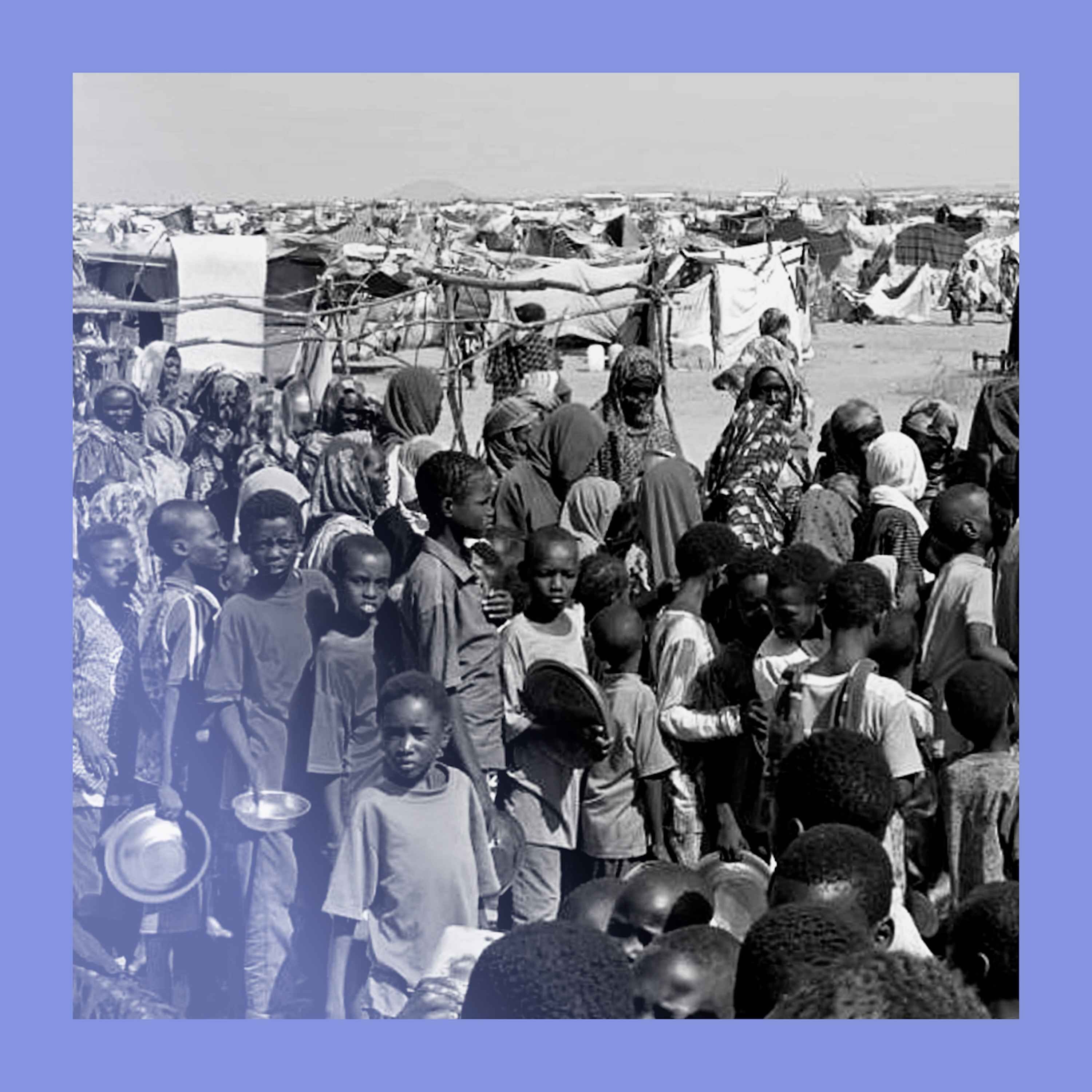
Official fatality counts rely on media reports, which are sparse in conflict zones with poor telecommunications. This leads to severe underreporting of deaths and creates absurd data artifacts where stable countries can appear more dangerous than war-torn nations.

Related Insights
Inaccurate headline statistics are not just academic; they actively shape policy. The misleading Consumer Price Index (CPI), for example, is used to determine Social Security benefits, food assistance eligibility, and state-level minimum wages. This means policy decisions are based on a distorted view of economic reality, leading to ineffective outcomes.

Despite clear evidence of massacres in El Fashir, the international response is muted compared to the celebrity-driven campaigns of the mid-2000s. Fractured media attention and the proliferation of global conflicts make it harder to sustain collective outrage for any single crisis.
A significant portion (30-50%) of statistics, news, and niche details from ChatGPT are inferred and not factually accurate. Users must be aware that even official-sounding stats can be completely fabricated, risking credibility in professional work like presentations.

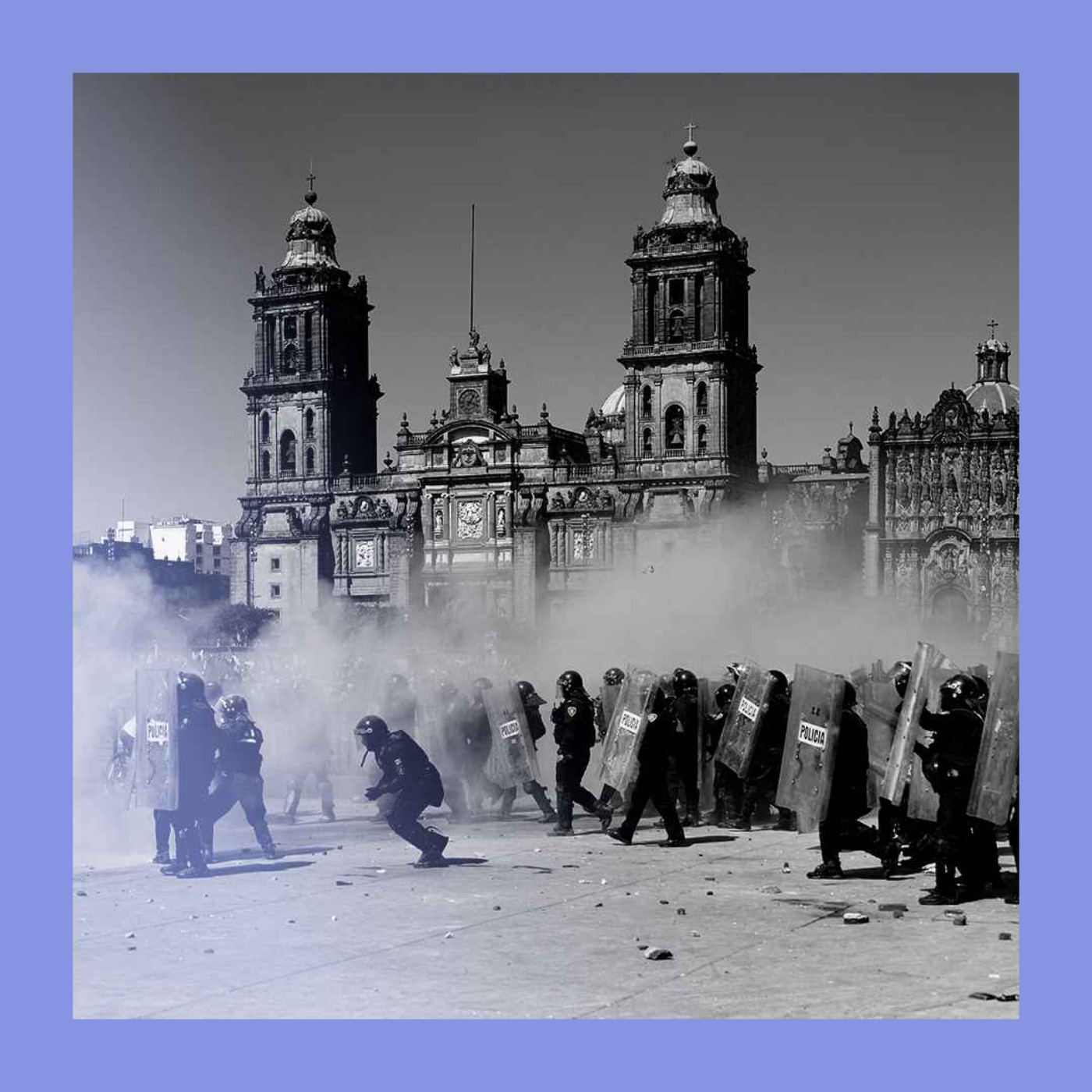
The Mexican government's headline statistic on falling murder rates is misleading. A more comprehensive analysis including 'disappeared' persons, femicides, and manslaughter reveals a much more modest, though still significant, decline. This highlights how official data can obscure the full reality of a security situation.
Official median wage data only tracks full-time employees, completely removing laid-off, low-wage workers from the calculation. This creates a distorted reality where median wages can appear to rise during economic downturns, as seen during the COVID-19 pandemic, precisely because the lowest earners have lost their jobs and their data is deleted.
Large, negative revisions to economic data often occur around major economic turning points. This is because companies hit first by a downturn are more likely to delay reporting their data, which makes the initial economic reports appear stronger than reality.

Professor Alberto Caballo uses Argentina's experience to show that when citizens lose trust in official statistics, they tend to believe negative data but dismiss any positive reports as lies. This creates an economic environment where pessimism is entrenched and hard to reverse.
A CIA task force analyzed 38 variables to predict political instability, including common assumptions like poverty and inequality. They found only two were highly predictive: 1) a country being a partial democracy, or “anocracy,” and 2) its political parties organizing around identity (race, religion) rather than ideology.

When complex situations are reduced to a single metric, strategy shifts from achieving the original goal to maximizing the metric itself. During the Vietnam War, using "body counts" as a proxy for success led to military decisions designed to increase casualties, not to win the war.
While most local government data is legally public, its accessibility is hampered by poor quality. Data is often trapped in outdated systems and is full of cumulative human errors, making it useless without extensive cleaning.
