The emphasis on long-term, unprovable risks like AI superintelligence is a strategic diversion. It shifts regulatory and safety efforts away from addressing tangible, immediate problems like model inaccuracy and security vulnerabilities, effectively resulting in a lack of meaningful oversight today.
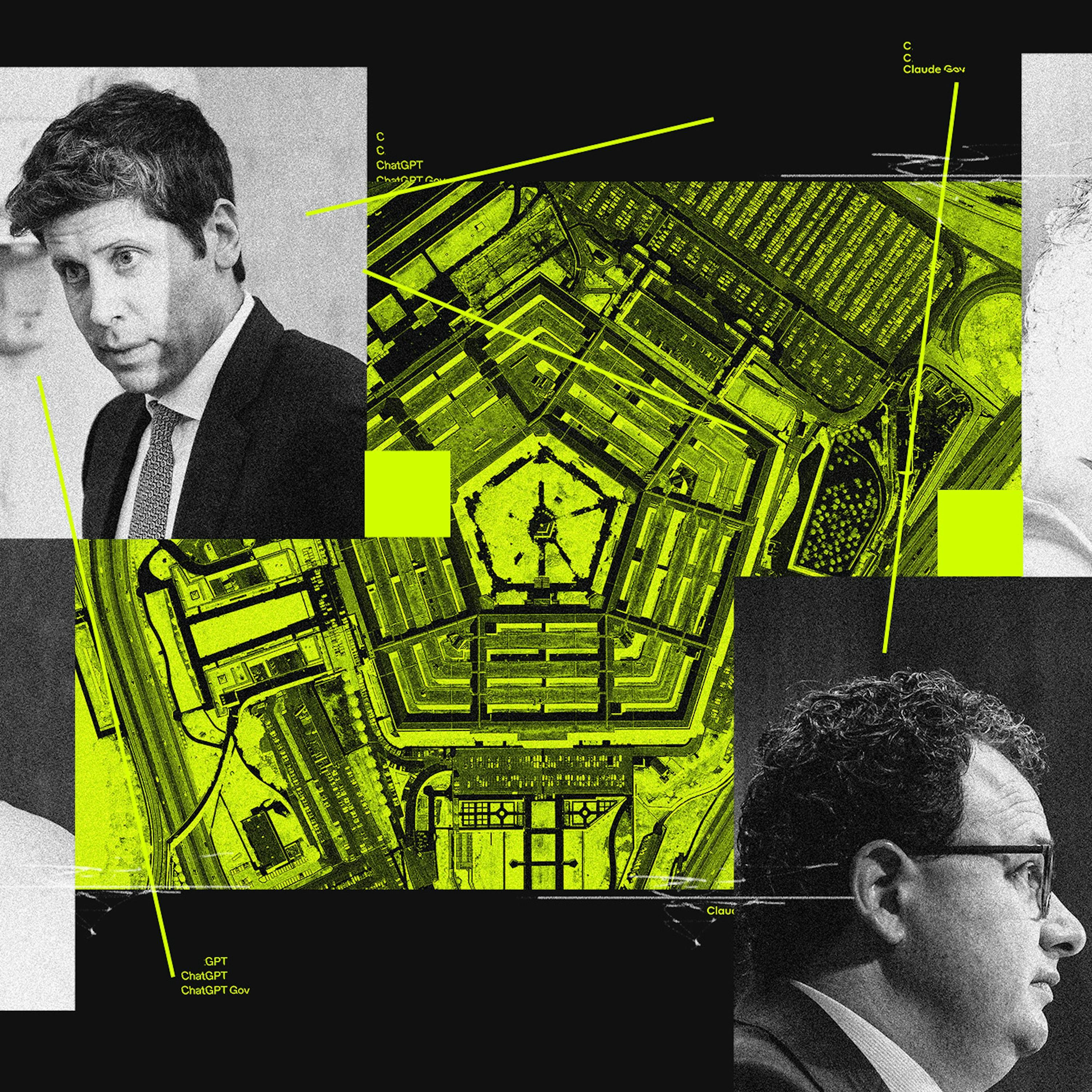
Leading AI companies, facing high operational costs and a lack of profitability, are turning to lucrative government and military contracts. This provides a stable revenue stream and de-risks their portfolios with government subsidies, despite previous ethical stances against military use.
Contrary to popular belief, military procurement involves some of the most rigorous safety and reliability testing. Current generative AI models, with their inherent high error rates, fall far short of these established thresholds that have long been required for defense systems.
AI companies engage in "safety revisionism," shifting the definition from preventing tangible harm to abstract concepts like "alignment" or future "existential risks." This tactic allows their inherently inaccurate models to bypass the traditional, rigorous safety standards required for defense and other critical systems.
Even when air-gapped, commercial foundation models are fundamentally compromised for military use. Their training on public web data makes them vulnerable to "data poisoning," where adversaries can embed hidden "sleeper agents" that trigger harmful behavior on command, creating a massive security risk.
Public fear focuses on AI hypothetically creating new nuclear weapons. The more immediate danger is militaries trusting highly inaccurate AI systems for critical command and control decisions over existing nuclear arsenals, where even a small error rate could be catastrophic.
Claims by AI companies that their tech won't be used for direct harm are unenforceable in military contracts. Militaries and nation-states do not follow commercial terms of service; the procurement process gives the government complete control over how technology is ultimately deployed.