The primary driver for hiring private military contractors is not just deniability but massive cost savings. By avoiding long-term commitments like pensions and comprehensive healthcare, a single PMC becomes approximately seven times cheaper than a member of the national armed forces.
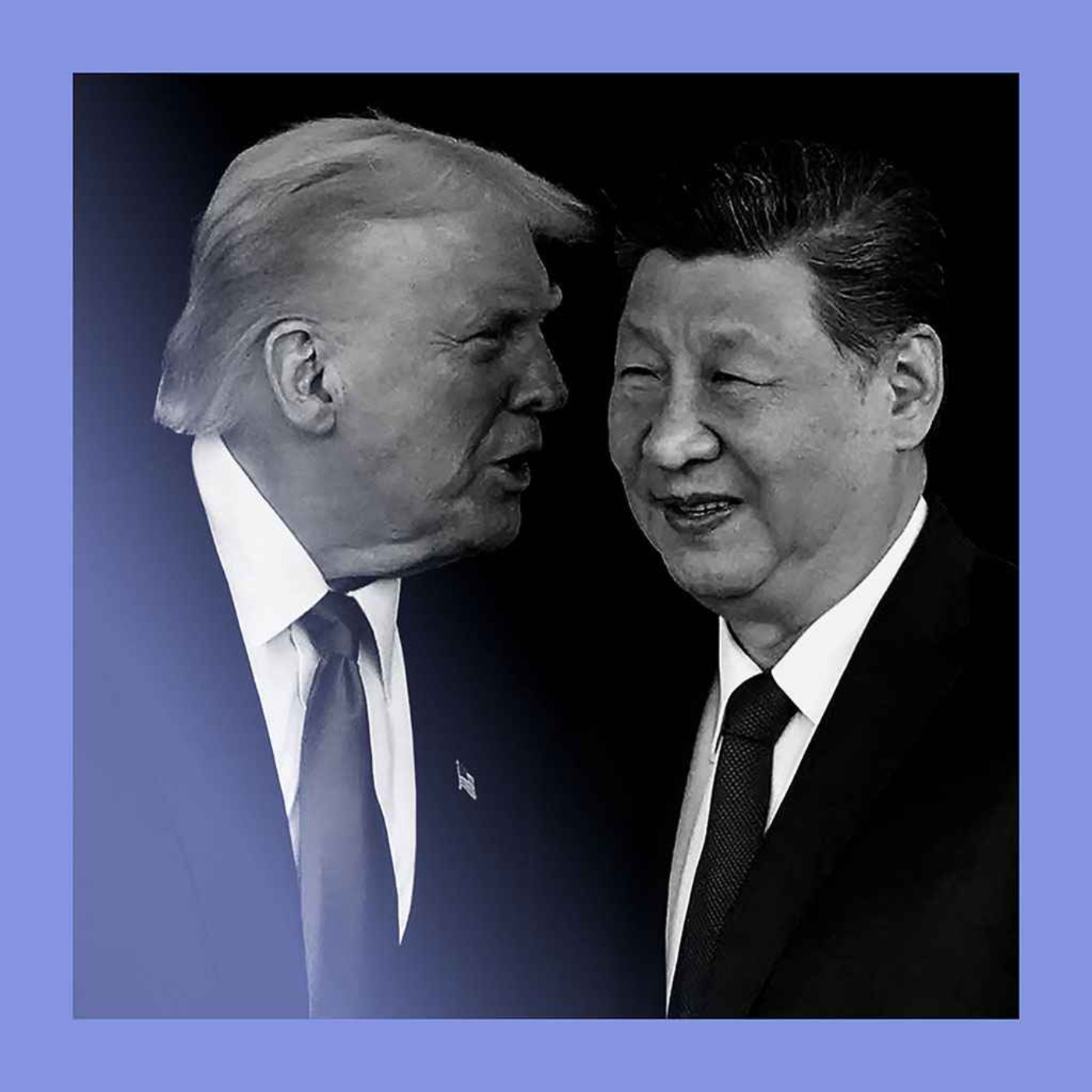
While publicly announcing a trade truce with China, the Trump administration simultaneously signed deals with other Asian nations to diversify supply chains and bolster defense partnerships, effectively preparing for future confrontation with Beijing.
People watch horror films not just for the thrill, but to vicariously experience and understand potential dangers. This allows them to process anxieties about real-world threats, from pandemics to AI, in a controlled setting, serving as a form of psychological preparation.
The recent trade truce is a transactional deal focused on marketable items like soybeans and TikTok. It conveniently sidesteps fundamental, long-term conflicts such as China's industrial policy, semiconductor competition, and military tensions, making the truce fragile and the broader relationship unstable.
Contrary to the image of mercenaries as universally brutal, data shows that private military companies based in democratic countries are associated with a 66% lower rate of civilian victimization compared to those from non-democracies, likely due to corporate accountability and reputational concerns.