Get your free personalized podcast brief
We scan new podcasts and send you the top 5 insights daily.
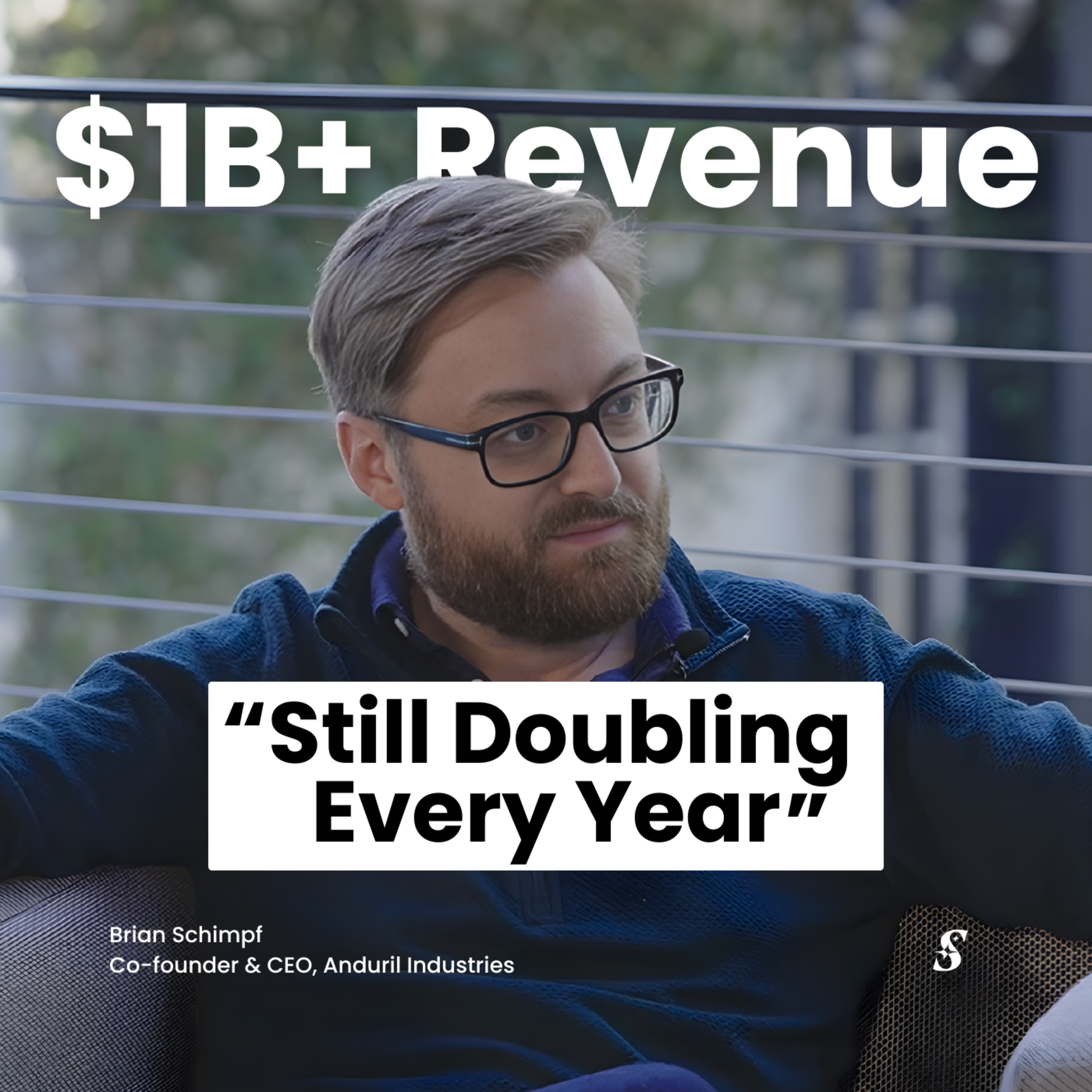
Anduril advocates for performance-based contracts, a controversial model in government where payment is contingent on the product working. This forces internal accountability and aligns their interests with the customer's, contrasting with traditional cost-plus models that place all risk on the government.
Related Insights
To prevent engineers from gaming output-based pay, 10X assigns a "Technical Strategist" to each project. The engineer is paid for output, but the strategist is incentivized by client retention and account growth (NRR), creating a healthy tension that ensures high-quality work is delivered.

In pay-per-performance models, clients are more likely to churn from unexpected high bills than from mediocre results. Proactively communicating spending and setting budget expectations is crucial for retaining clients, as sticker shock breaks trust faster than anything else.

Luckey reveals that Anduril prioritized institutional engagement over engineering in its early days, initially hiring more lawyers and lobbyists. The biggest challenge wasn't building the technology, but convincing the Department of Defense and political stakeholders to believe in a new procurement model, proving that shaping the system is a prerequisite for success.
![Palmer Luckey - Inventing the Future of Defense - [Invest Like the Best, CLASSICS] thumbnail](https://megaphone.imgix.net/podcasts/f7c9aa8e-cb8d-11f0-828e-0b281809c10a/image/cc07f91ec47f95abbde771a4956b37b7.jpg?ixlib=rails-4.3.1&max-w=3000&max-h=3000&fit=crop&auto=format,compress)
The "land and expand" strategy in federal contracting involves winning an initial bid and performing well. This builds trust, leading agencies to offer additional, often unlisted projects directly, bypassing the competitive public bidding process for smaller contracts under a certain threshold.

Treat government programs as experiments. Define success metrics upfront and set a firm deadline. If the program fails to achieve its stated goals by that date, it should be automatically disbanded rather than being given more funding. This enforces accountability.

The marketing landscape evolves too quickly for long-term commitments. Locking into even a 12-month contract can trap you with an underperforming agency while wasting money. Insist on month-to-month agreements to retain flexibility and ensure the partnership remains effective and accountable.

Proposing an outcome-based pricing model next to a high fixed-fee option forces the negotiation to focus on value, not cost. Even if the customer chooses the fixed fee, they're anchored on a much higher number and are less likely to negotiate it down significantly.
Many defense startups fail despite superior technology because the government isn't ready to purchase at scale. Anduril's success hinges on identifying when the customer is ready to adopt new capabilities within a 3-5 year window, making market timing its most critical decision factor.
In government, digital services are often viewed as IT projects delivered by contractors. A CPO's primary challenge is instilling a culture of product thinking: focusing on customer value, business outcomes, user research, and KPIs, often starting from a point of zero.