Get your free personalized podcast brief
We scan new podcasts and send you the top 5 insights daily.
China's tough stance toward US allies is not a diplomatic blunder but a deliberate strategy. By applying pressure, Beijing aims to demonstrate that complaining to a distracted Washington is futile, thereby forcing allies to eventually accommodate Chinese interests.

Related Insights
America's unpredictable, "law of the jungle" approach doesn't embolden adversaries like Russia or China, who already operate this way. Instead, it forces traditional allies (Canada, Europe, Japan) to hedge their bets, decouple their interests, and reduce reliance on an unreliable United States for upholding international law.
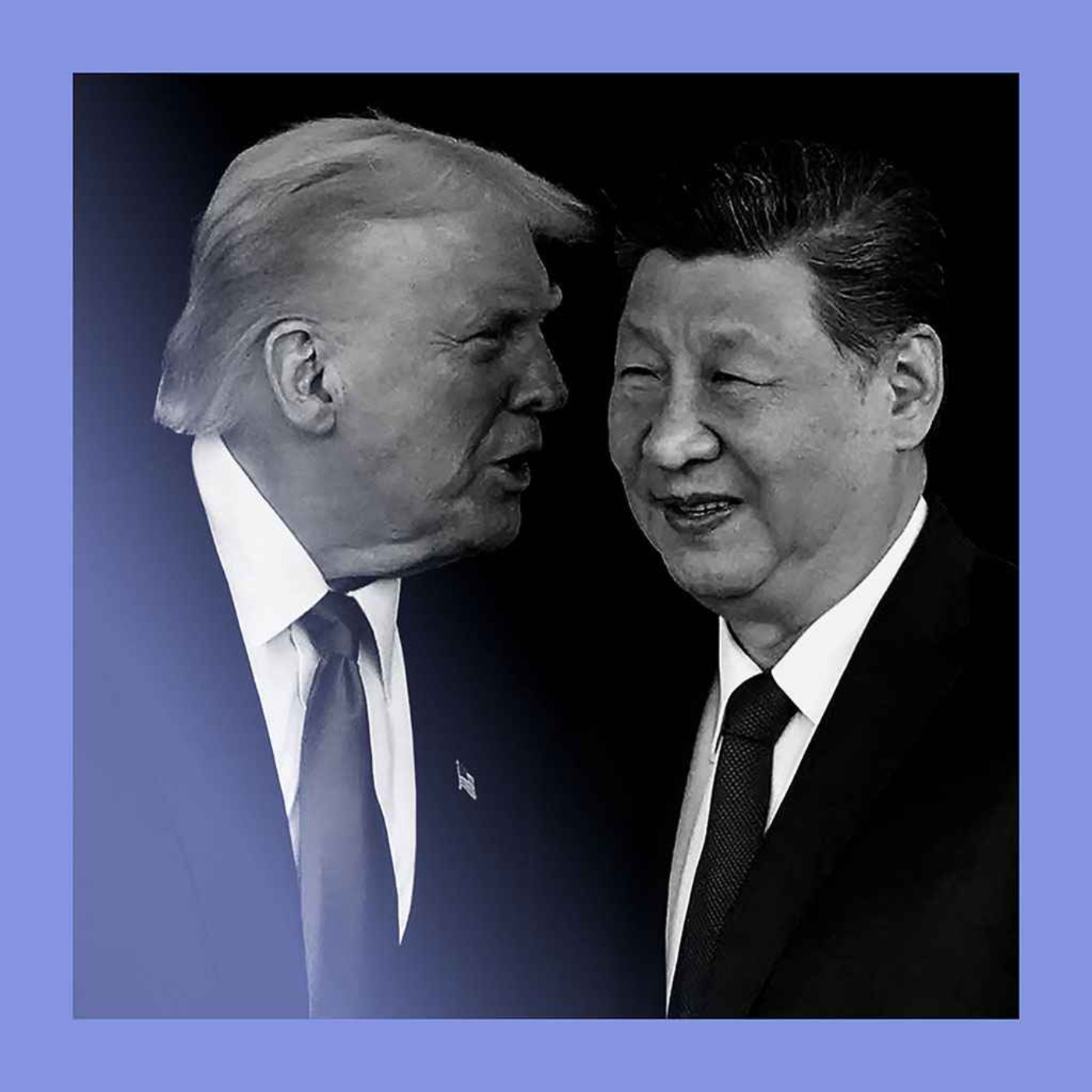
While publicly announcing a trade truce with China, the Trump administration simultaneously signed deals with other Asian nations to diversify supply chains and bolster defense partnerships, effectively preparing for future confrontation with Beijing.
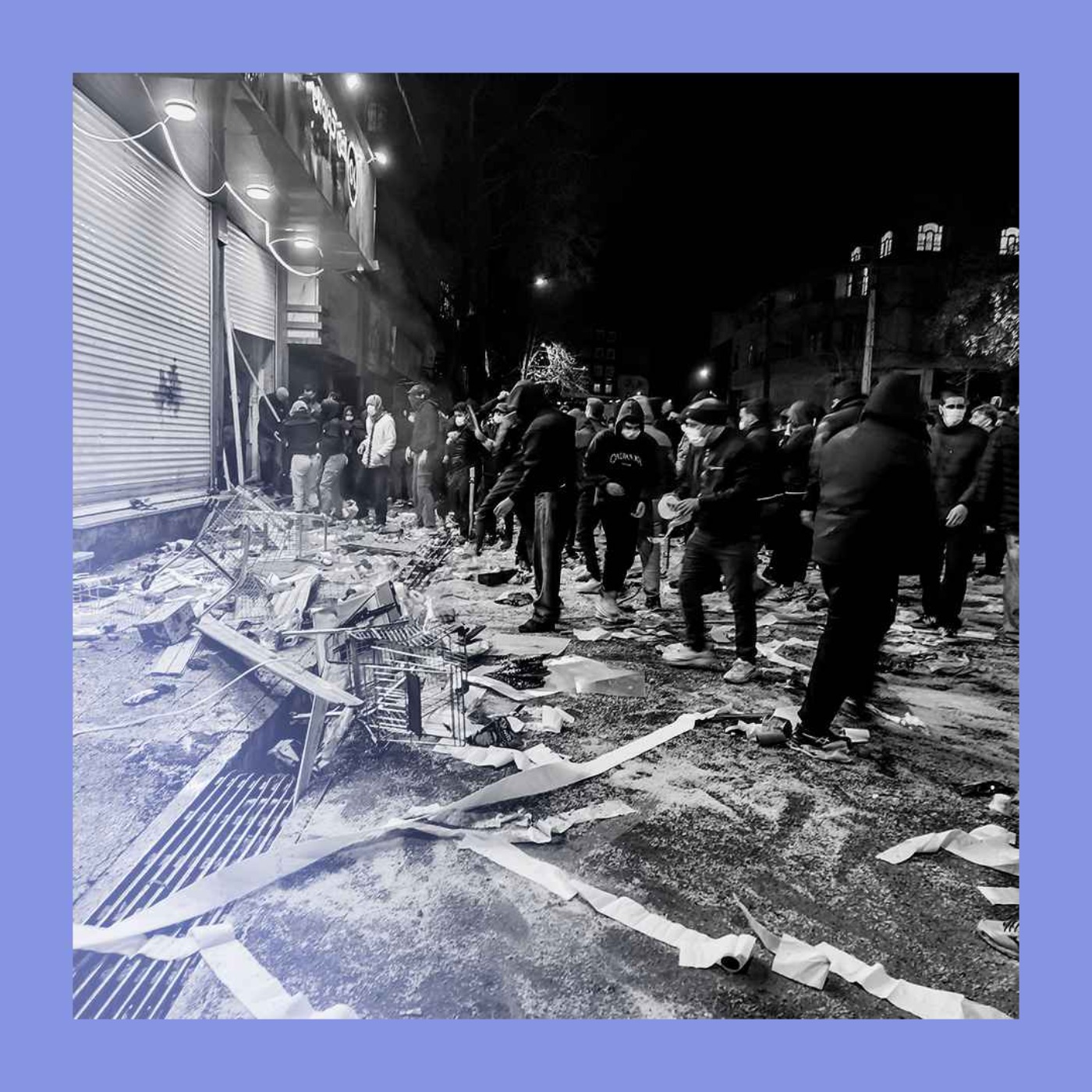
Actions like the Greenland affair are alienating allies like Canada and the EU. This pushes them to pursue independent, softer trade policies with China to secure economic benefits, seeing it as diversification rather than a strategic pivot away from the US.

Trump's confrontational stance with allies isn't just chaos; it's a calculated strategy based on the reality that they have nowhere else to go. The U.S. can troll and pressure nations like Canada and European countries, knowing they won't realistically align with China, ultimately forcing them to increase their own defense commitments.

Beijing interprets America's focus on regions like Latin America or the Middle East with a 'shoulder shrug.' They see these distractions as beneficial, giving them more freedom to aggressively pursue their own interests and push allies in the Indo-Pacific without US interference.
Instead of a full-scale invasion, China is employing an "anaconda strategy" of constant, low-level pressure. Tactics like cutting undersea cables and sending drones are designed to exhaust and demoralize Taiwan, making a military response from the US difficult to justify.
Beijing capitalizes on visits from leaders of key US allies like Canada. Through official media and academic commentary, China actively encourages these nations to adopt "strategic autonomy" from Washington, aiming to sow division and weaken the Western bloc's united front.
The Trump administration demands allies take more responsibility for regional security. Yet when Japan's leader did so regarding Taiwan and faced Chinese pressure, the U.S. prioritized its direct relationship with Beijing, effectively hanging a key ally "out to dry" and contradicting its own strategic doctrine.
Nations like Canada and the UK are not strategically realigning with China. Instead, they are pursuing short-term economic gains (e.g., in agriculture) while their fundamental security and economic allegiances remain with the US. It's a calculated risk to extract benefits without severing key ties.
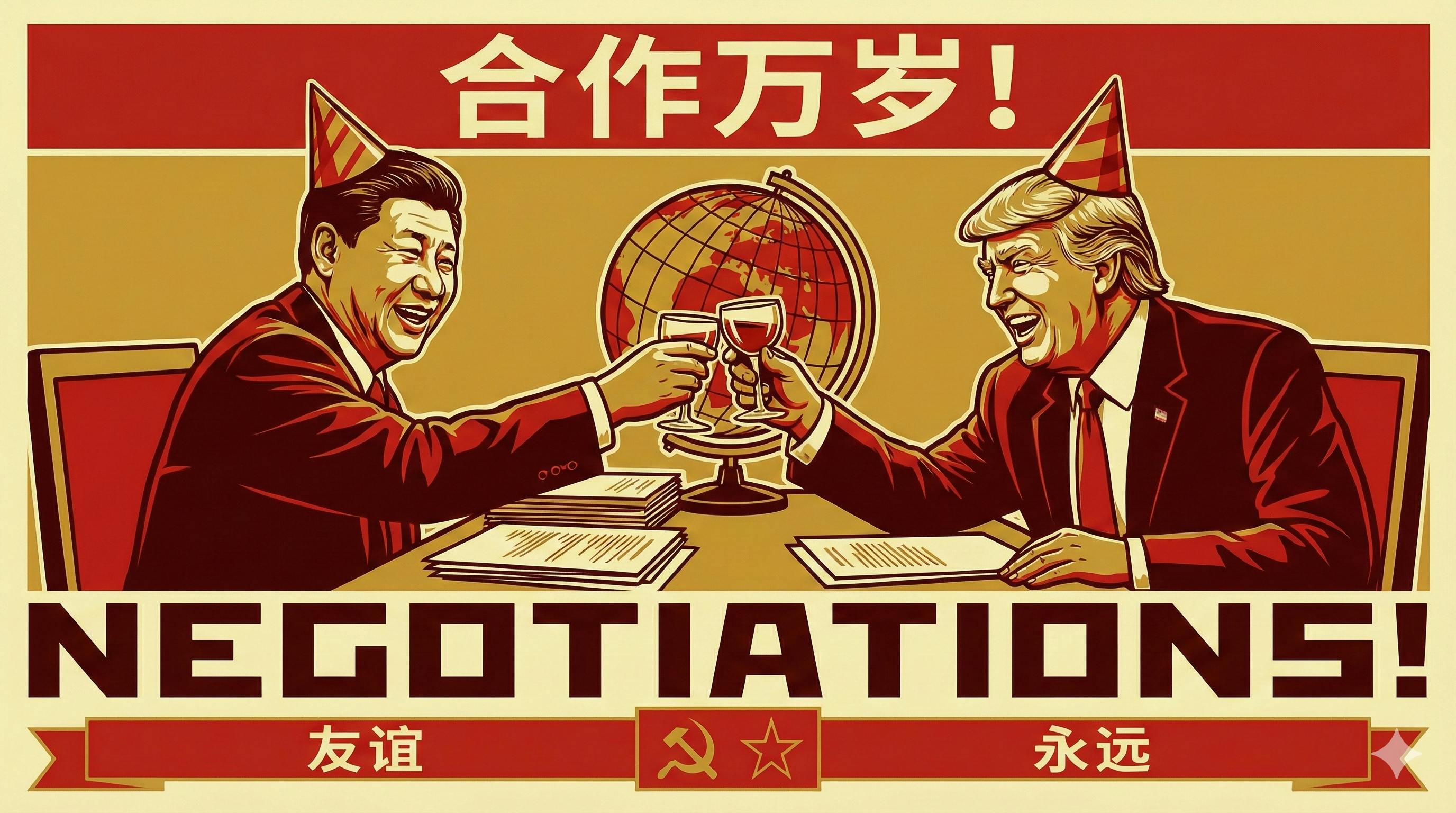
President Xi Jinping used a phone call with President Trump not just for bilateral issues, but to strategically signal displeasure with Japan's hawkish stance on Taiwan. This "shadow play" diplomacy shows China leveraging its relationship with the U.S. to indirectly manage and warn other nations, making the U.S. a channel for its geopolitical messaging.
