Get your free personalized podcast brief
We scan new podcasts and send you the top 5 insights daily.
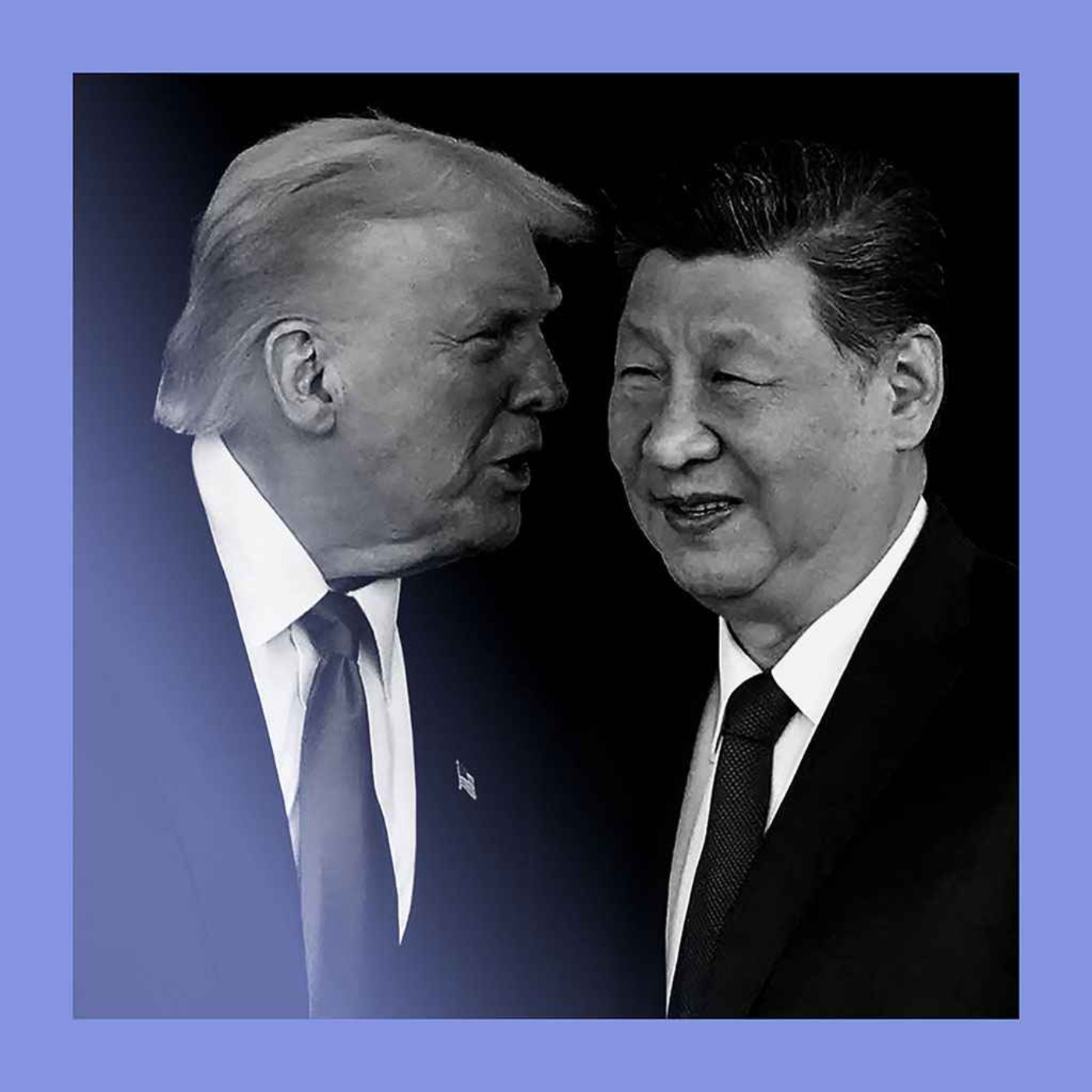
While publicly announcing a trade truce with China, the Trump administration simultaneously signed deals with other Asian nations to diversify supply chains and bolster defense partnerships, effectively preparing for future confrontation with Beijing.
Related Insights
The United States' greatest strategic advantage over competitors like China is its vast ecosystem of over 50 wealthy, advanced, allied nations. China has only one treaty ally: North Korea. Weakening these alliances through punitive actions is a critical foreign policy error that erodes America's primary source of global strength.

The tariff war was not primarily about revenue but a strategic move to create an "artificial negotiating point." By imposing tariffs, the U.S. could then offer reductions in exchange for European countries committing to American technology and supply chains over China's growing, low-cost alternatives.

The shift to a less adversarial China policy may be a strategic maneuver to avoid supply chain disruptions. The U.S. appears to be biding its time—likely for 5+ years—to wean itself off dependence on Chinese rare earth minerals, which are critical for both industry and defense manufacturing.

The current trade friction is part of a larger, long-term bipartisan U.S. strategy of "competitive confrontation." This involves not just tariffs but also significant domestic investment, like the CHIPS Act, to build resilient supply chains and reduce reliance on China for critical industries, a trend expected to persist across administrations.

The U.S. industrial strategy isn't pure "reshoring" but "friend-shoring." The goal is to build a global supply chain that excludes China, not to bring all production home. This creates massive investment opportunities in allied countries like Mexico, Vietnam, Korea, and Japan, which are beneficiaries of this geopolitical realignment.

The recent trade truce is a transactional deal focused on marketable items like soybeans and TikTok. It conveniently sidesteps fundamental, long-term conflicts such as China's industrial policy, semiconductor competition, and military tensions, making the truce fragile and the broader relationship unstable.
Unlike previous administrations that used trade policy for domestic economic goals, Trump's approach is distinguished by his willingness to wield tariffs as a broad geopolitical weapon against allies and adversaries alike, from Canada to India.

Facing China's export restrictions on rare earth metals, the U.S. immediate strategy is "ally-shoring": striking a major deal with Australia. This secures the supply chain through geopolitical partnerships as a faster, more pragmatic alternative to the long process of building domestic capacity from scratch.

The latest U.S. National Security Strategy drops confrontational rhetoric about China as an ideological threat, instead framing the relationship around economic rivalry and rebalancing. This shift prioritizes tangible deals over promoting American values globally, marking a departure from Reagan-era foreign policy.
Recent trade talks deliberately sidestepped core geopolitical issues like Taiwan and the South China Sea. This highlights that economic agreements are merely treating symptoms. The fundamental problem is a geopolitical power struggle, which will continue to undermine any economic progress.